
Lawn
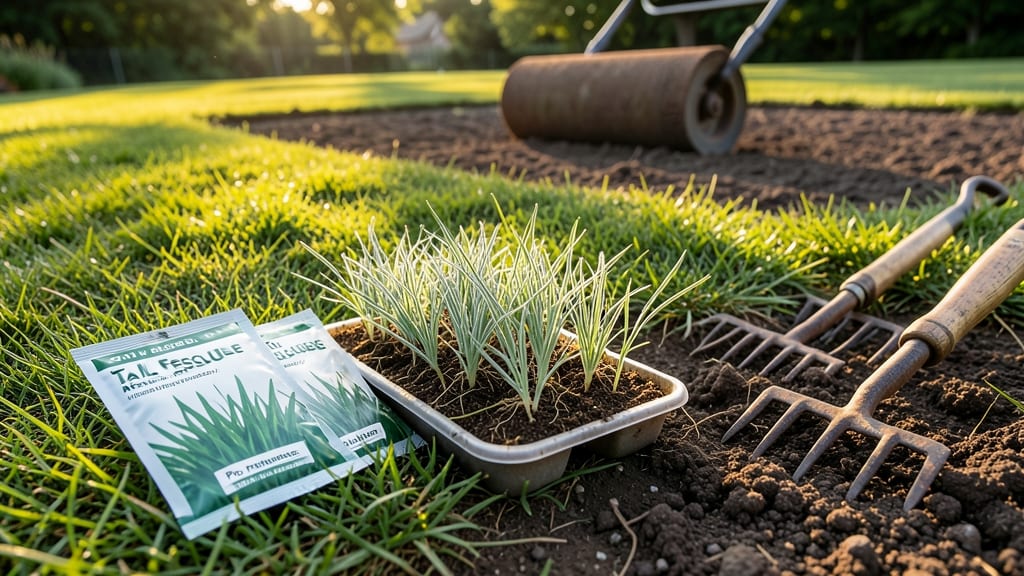
Planting grass seed in Ohio’s spring demands precision—aim for soil temperatures between 60°F and 75°F to avoid patchy growth or wasted effort.
Ohio’s spring weather can be a rollercoaster, with frost lingering into April in the north while southern regions warm up faster. Plant too early, and your seeds may rot in cold soil; too late, and summer heat stresses young grass before it establishes.
The sweet spot? Between late April and early May for most of the state, but timing shifts by 1-2 weeks depending on your zone.
Beyond the calendar, soil readiness matters just as much. You’ll need moisture levels that feel like a wrung-out sponge—not soggy, not bone-dry—and a surface free of weeds or debris. Skip these steps, and even the best grass seed struggles to take hold.
Here’s how to pinpoint the exact week to plant in your Ohio county, plus pro tips for soil prep, seed selection, and post-planting care to guarantee a lawn that’s thick, green, and ready for summer.
Ohio spring grass planting timeline: exact weeks by soil temperature
Ohio’s spring weather can swing from freezing nights to 80°F days in a single week, making timing your grass seed planting a high-stakes game. The key? Monitoring soil temperature (not air temperature) to hit the 60°F–75°F sweet spot.
Northern Ohio’s cooler microclimates differ from southern regions by 2–3 weeks, so we’ve broken it down week-by-week to avoid patchy lawns or wasted seed.
For northern Ohio (USDA zones 5–6), aim for late April to early May when soil warms consistently above 55°F. Southern Ohio (zones 6–7) can start 2–3 weeks earlier in mid-April, but watch for late frosts—they’ll kill tender seedlings faster than drought.
The last average frost date in Ohio is April 15, so plant 4–6 weeks before that window to give roots time to establish.
Here’s your week-by-week guide with critical soil temp thresholds and frost risk factors:
Pro tip: Use a soil thermometer ($10 at garden centers) to check temps at 4-inch depth—air temps can mislead you by 10°F or more. If your soil hits 75°F+, switch to shade-tolerant grass varieties like fine fescue to prevent stress.
In northern Ohio, wait until May 1 if April shows are unreliable—your seed budget will thank you.
Ohio’s clay-heavy soils (common in
5 Signs your Ohio soil is Actually Ready for Grass Seed (Not Just Warm Enough)
Ohio’s spring soil can feel warm enough to plant grass seed, but that’s only half the story. Clay-heavy soils in northern Ohio or sandy patches in southern regions often hide moisture issues that sink seeds or leave them gasping for water.
I’ve learned the hard way—planting when the soil seems ready but fails because of hidden problems like compaction or weed competition.
Your grass seed needs more than just the right temperature—it demands consistent moisture, proper drainage, and a clean slate free of debris. Here’s how to test for true readiness, plus how to fix common Ohio soil pitfalls before you even sprinkle that first seed.
🌱 Numbered Highlights: Ohio Soil Readiness Checklist
- 💧 Moisture Test: Grab a handful of soil—if it crumbles when dry but holds shape when moist, it’s perfect. Clay soils? Press it: if water pools on top, amend with compost or sand.
- ⏳ Drainage Check: Dig a 6-inch hole, fill with water. If it drains in 30 minutes, you’re good. Slower? Mix in perlite or organic matter.
- 🌱 Weed-Free Surface: Pull weeds by hand or spot-treat with vinegar (50/50 mix) 2 weeks before planting. No tilling! Disturbs seeds.
- ☀️ Sunlight Audit: Measure shade at 10 AM and 2 PM—grass needs 6+ hours of direct sun. Partial shade? Choose fine fescue over Kentucky bluegrass.
- 🌡️ Soil Temp Gauge: Use a soil thermometer (not air temp!). 60°F+ at 4-inch depth signals readiness. Colder? Wait or use a row cover.
Ohio’s clay soils (common in northeast regions) can feel damp on the surface but dry out quickly below.
I’ve seen seeds planted in "ready" soil only to fail because the top inch was moist while the deeper layers were bone-dry. Fix it: Till in 2 inches of compost or aged manure to improve moisture retention without suffocating roots.
For sandy soils (southwest Ohio), the opposite problem occurs—water drains too fast, leaving seeds high and dry. Solution: Add peat moss or coconut coir to the top 3 inches of soil to slow drainage.
Test again after amending: press your finger 1 inch deep—it should feel slightly resistant, not muddy.
Weeds are the silent saboteurs. Even a thin layer of mulch or grass clippings can block sunlight and smother seeds. Pro tip: Use a stiff broom to sweep away debris after testing soil—it’s gentler than raking and won’t disturb your prep work.
Once you’ve checked all five signs, plant within 24 hours. Ohio’s spring weather can shift overnight, and delaying means risking drought stress or fungal growth from sudden rain. Keep a garden journal to track soil conditions—next year, you’ll spot readiness a mile away.