
Plants
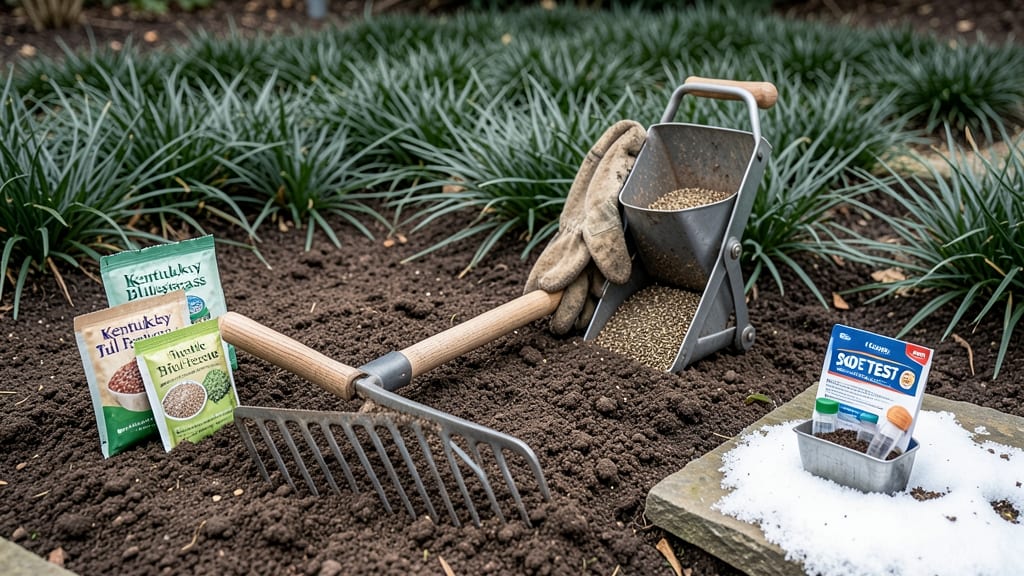
Planting grass seed in Iowa's spring requires timing it 4-6 weeks after the last frost when soil temperatures hit 55°F—any earlier risks frost damage, while waiting too long delays germination.
Iowa’s unpredictable spring can turn a perfect lawn into a patchwork nightmare if you miss the window. Too soon, and seedlings freeze; too late, and weeds take over before your grass even sprouts. The key isn’t just avoiding frost—it’s about soil warmth, moisture, and your specific USDA zone.
Most of Iowa falls in zones 4b-5a, where late April to early May is ideal. But even then, clay-heavy soils and fluctuating temperatures demand extra care. A soil thermometer and a quick moisture test can save you from wasted seed and months of frustration.
In this guide, I’ll walk you through the exact frost-free timeline for your zone, how to prep your soil for fast germination, and the best seed blends for Iowa’s climate—so you can go from bare patches to a lush lawn in just 60 days.
Iowa spring planting timeline by USDA Zone: when soil and air temperatures align
Iowa’s spring weather can be as unpredictable as a rollercoaster ride, making it tricky to nail the perfect time for planting grass seed.
Most of the state falls within USDA Zones 4b and 5a, where the difference between a successful lawn and a failed one often comes down to a 2-3 week window.
The key isn’t just avoiding frost—it’s waiting for soil temperatures to stabilize between 50–60°F and air temperatures to consistently stay above 55°F.
In Zone 4b (northern Iowa), your planting window typically opens around mid-April and closes by early May. Meanwhile, Zone 5a (southern Iowa) can start as early as late March but must finish by mid-May to avoid late frosts.
Missing this window often leads to slow germination or seedlings that struggle to establish before summer heat arrives.
Here’s the critical detail: Soil temperature matters more than air temperature. Grass seeds need warm soil to activate their enzymes and sprout efficiently. A soil thermometer (just $10 at garden centers) is your best friend—plant when readings hit 55°F at 2-inch depth.
Cold soil delays germination by weeks, while soil that’s too warm (above 70°F) can cause seeds to dry out before sprouting.
Microclimates also play a role. A south-facing slope warms up faster than a north-facing yard, so adjust your timeline by 1–2 weeks if your lawn sits in full sun all day. Similarly, urban areas with heat-absorbing pavement nearby may see earlier soil warming than rural fields.
| USDA Zone | Optimal Planting Window | Soil Temp Threshold (°F) | Frost Risk | Seedling Care Tip |
|---|---|---|---|---|
| 4b (Northern IA) | Mid-April to Early May | 50–55°F (2" depth) | High (late frosts common) | Use frost blankets for late plants |
| 5a (Southern IA) | Late March to Mid-May | 55–60°F (2" depth) | Moderate (frosts rare after May 1) | Prioritize warm-season blends |
| Microclimates (Urban/Rural) | Adjust ±1–2 weeks | Test daily with thermometer | Varies by exposure | Monitor local weather alerts |
Early spring planting (before April 1) in Zone 4b often backfires because soil stays too cold and seeds rot in the ground.
On the flip side, waiting until June risks summer drought stress—seedlings need consistent moisture to germinate, and Iowa’s heat can dry out soil faster than you can water. The sweet spot is when dandelions bloom (a natural indicator) and soil feels warm to the touch.
If you miss the ideal window, don’t panic. Overseeding in early fall (September) is a great backup plan for Iowa lawns. Cool-season grasses like Kentucky bluegrass and tall fescue germinate faster in 60–70°F soil, making fall a more forgiving time.
Just avoid planting after September 15, or seedlings may not establish before winter.
Pro tip: Prep your soil 2–3 weeks before planting. Aerate compacted areas, rake out debris, and test your soil’s pH (ideal: 6.0–7.0). Iowa’s clay soils often need gypsum or compost to improve drainage.
Once seeds hit the ground, keep them consistently moist (not soggy) with light daily watering until germination, then taper to 1 inch per week.
For fastest germination, choose a cool-season grass blend like ‘Turf-Type Tall Fescue’ or ‘Kentucky Bluegrass’, which handle Iowa’s hot summers and cold winters. Warm-season options like ‘Zoysia’ are better for late spring (June) planting but struggle with our early frosts.
Always check the seed bag for “spring planting” recommendations—some blends are labeled for early vs. late spring use.
Remember: Patience is key. Germination can take 10–21 days depending on conditions. If you see yellow patches after planting, it’s often fungus from overwatering or seedling blight—reduce watering and improve airflow by lightly raking the soil surface.
With the right timing, your Iowa lawn can go from bare patches to lush green
5 Critical signs your Iowa lawn is ready for grass seed (beyond the calendar)
Iowa’s spring weather can be a rollercoaster, making it tough to know when your lawn is truly ready for grass seed.
While the calendar suggests late April to early May, your soil might be telling a different story. Ignoring these signs can lead to poor germination or wasted seed, so pay attention to what your lawn is actually saying—not just the date.
Instead of guessing, use these 5 critical signs to confirm your lawn is primed for planting. These indicators focus on soil conditions, weather patterns, and lawn health—not just the last frost date.
By the time you see these cues, your grass seed will have the best chance of thriving in Iowa’s clay-heavy soils.
- 1 Soil temperature reaches 55°F+ (use a soil thermometer at 4-inch depth). Iowa’s clay soils warm slowly, so wait until your thermometer confirms readiness—cold soil delays germination and invites disease.
- 2 Weeds are actively sprouting (especially crabgrass). Weeds emerge when soil temps hit 50-55°F, signaling your grass seed is ready too. Pre-emergent herbicides won’t work if applied too early—wait until weeds appear.
- 3 Morning soil is moist but not soggy (stick your finger 1-2 inches deep). Iowa’s spring rains can make soils too wet; aim for damp but crumbly texture. Overwatered soil smothers seeds and causes rot.
- 4 Nighttime temperatures stay above 40°F consistently. Late frosts (below 32°F) can kill new seedlings. Check your local USDA frost forecast and wait until the 10-day outlook shows stable warmth.
- 5 Your lawn’s pH is between 6.0-7.0 (test with a soil kit). Iowa’s clay soils often lean acidic (pH 5.5 or lower), which stunts grass growth. Adjust with lime 4-6 weeks before planting for best results.
Once you’ve confirmed these signs, your lawn is ready for action. Start by aerating compacted clay soils to improve seed-to-soil contact—this is especially critical in Iowa, where heavy clay can suffocate new seedlings.
Follow up with a light raking to create a fine seedbed, then apply your chosen cool-season grass blend (like Kentucky bluegrass or tall fescue).
After planting, keep the soil consistently moist (not soggy) for the first 2-3 weeks. Iowa’s spring showers can make this tricky, so use a sprinkler with gentle settings or a soaker hose to avoid displacing seeds. Within 10-14 days, you should see tiny sprouts—proof your timing was perfect.
Remember, Iowa’s USDA zones 4b-5a mean your ideal window might shift slightly year to year. If you miss the spring window, don’t panic—late summer (August-September) is a great secondary time for overseeding. But for the fastest, most reliable results, trust these signs over the calendar.