
Plants
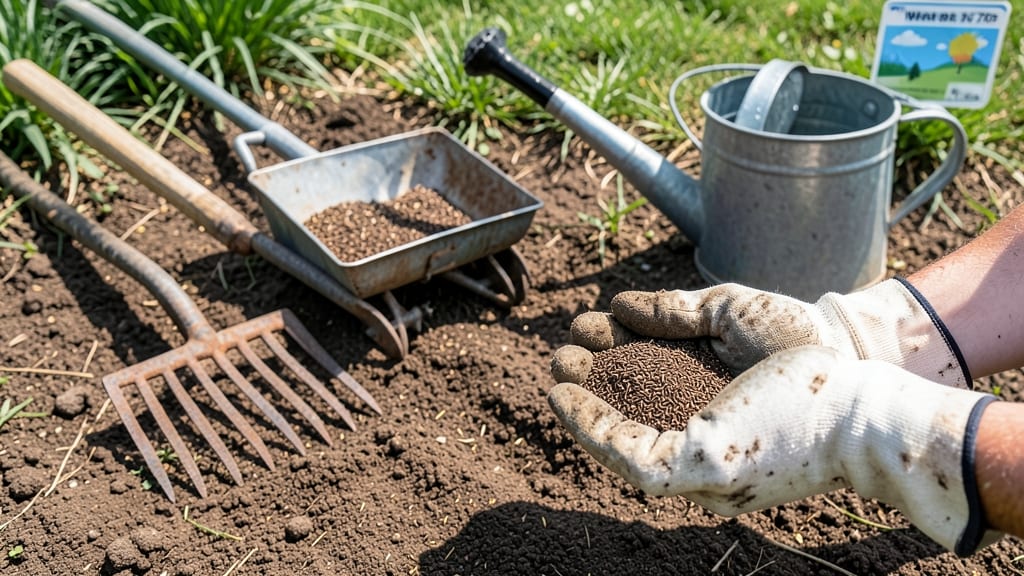
Planting grass seed in Minnesota’s spring means waiting for soil temperatures to hit 50°F and the last frost to pass—usually between mid-April and early June, depending on your zone.
Timing your grass seed planting in Minnesota’s unpredictable spring can mean the difference between a lush, green lawn and months of patchy disappointment. Get the frost-free window wrong, and you risk wasted seeds or stunted growth.
Minnesota’s 3a–5b zones have wildly different last frost dates, so checking your local average (or planting a week after the official date) is the key to success. Urban areas like the Twin Cities often warm up faster than rural spots, so don’t assume your neighbor’s schedule applies to you.
Below, I’ll break down the exact soil temperature and frost-free timelines for your region, plus the 3-step prep that ensures your seed takes root fast—no guesswork, just results.
Minnesota spring planting zones: exact frost-free dates by region
Minnesota’s five USDA hardiness zones (3a-5a) create dramatic differences in last frost dates and soil warming—critical factors for successful grass seed germination. In Zone 3a (northern MN), you might wait until late May, while Zone 5a (southern MN) could see planting as early as mid-April.
These variations mean your timing depends entirely on where you live.
For grass seed to thrive, soil must reach 50°F+ consistently at a 4-inch depth. This threshold often arrives 2-4 weeks after the last frost, giving you a narrow window to act.
Rural areas warm faster than cities due to urban heat islands, so adjust your schedule accordingly—especially in Twin Cities or Duluth suburbs.
Here’s how to pinpoint your exact planting window, including regional averages, microclimate tweaks, and soil temperature rules to avoid common mistakes like premature planting or missed opportunities.
🌱
If you’re in the Twin Cities metro area, urban heat can push your planting window 5–7 days earlier than rural areas. For example, Minneapolis might see soil hit 50°F by April 20, while St. Cloud lags until May 1.
Always verify with a soil thermometer—don’t rely solely on frost dates.
For northern MN (Zone 3a), like Duluth, the window is tighter. Planting too early risks frost damage to tender grass seedlings. I recommend waiting until June 1 unless you’ve confirmed consistent 50°F+ soil for 7+ days. Use black plastic mulch to warm soil faster if needed.
In southern MN (Zone 5a), like Rochester or Mankato, you can start as early as April 15—but watch for false springs. A late frost in May can wipe out young grass. I’ve seen
Soil temperature & weather signs: how to confirm grass seed planting readiness
Minnesota’s spring weather can be as unpredictable as a snowstorm in May, making it tricky to pinpoint the perfect time to plant grass seed. While last frost dates give you a starting point, soil temperature and weather patterns are the real indicators of readiness.
Grass seeds need consistently warm soil—50°F or above—to germinate properly, and a 7-day frost-free forecast ensures your new lawn won’t get nipped in the bud.
Start by checking your soil temperature at a depth of 4 inches, where seeds will be planted. A simple soil thermometer (available for under $10) is your best tool, but if you don’t have one, the moisture squeeze test works in a pinch.
Grab a handful of damp soil and squeeze it—if it crumbles easily when dry, it’s likely warm enough. Pair this with a weather forecast that shows no frost warnings for at least a week to avoid disappointment.
Planting too early after a 50°F warm-up can lull you into a false sense of security. If nighttime temps dip below 40°F, your grass seeds may rot or fail to germinate. Always wait until the 7-day forecast guarantees consistent warmth—typically mid-May for southern MN and late May for northern regions. Double-check with your local USDA Plant Hardiness Zone (3a-5a) for precision.
Don’t rely solely on calendar dates—Minnesota’s microclimates vary wildly. Urban areas like the Twin Cities may warm up faster than rural zones, while northern MN (e.g., Duluth) can linger in chill well into June.
Use a local weather app with hyperlocal forecasts and monitor soil warmth trends over 3-5 days. If temps fluctuate between 40°F and 60°F, wait it out—grass seeds need stability to thrive.
Once you’ve confirmed soil warmth and a frost-free window, prepare your lawn by raking away debris and loosening the soil to a depth of ¼ inch. Lightly water the area to settle the soil, then spread your grass seed evenly.
Use a starter fertilizer (low in nitrogen) to give seedlings a nutrient boost without burning tender roots. After planting, keep the soil consistently moist—not soggy—until germination, which typically takes 7-21 days depending on the variety.
Pro tip: If you’re seeding in late May or early June, prioritize shade-tolerant varieties like Fine Fescue or Tall Fescue, as summer’s long daylight hours can stress new growth.
For fall seeding (another great option in MN), aim for late August to early September when soil is still warm but nights cool down—this gives grass time to establish roots before winter.
Remember, patience is key. Rushing into planting after a false spring is a common mistake that leads to bare patches and wasted seed.
By combining soil temperature checks, weather forecasts, and a 7-day buffer, you’ll give your Minnesota lawn the best possible start—no matter how many times Mother Nature throws a curveball. 🌱