
Plants
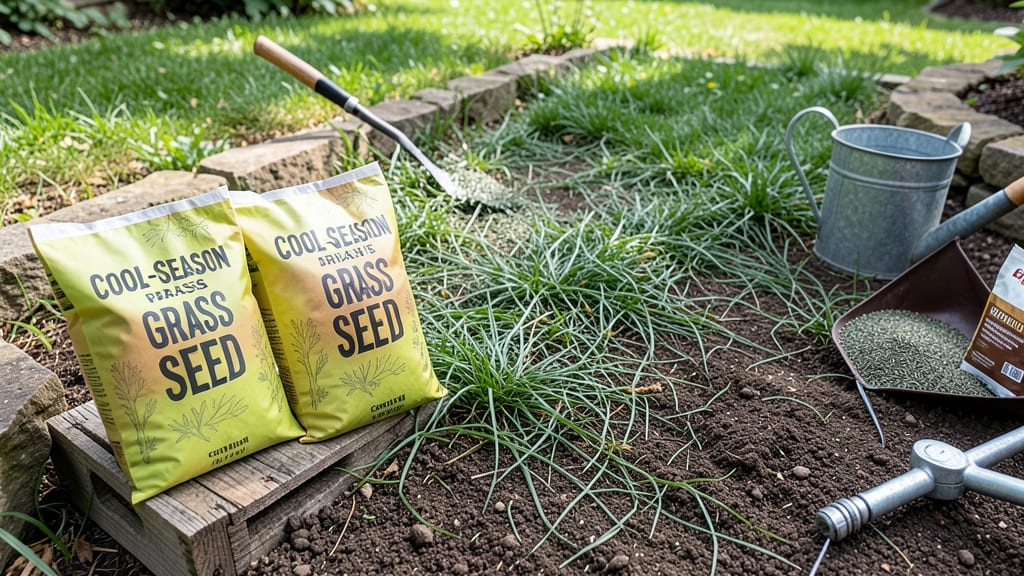
Planting grass seed in NY spring means timing it right—soil temps must hit 50°F consistently, and the last frost should be 4-6 weeks behind you.
If you’ve ever rushed to spread seed only to watch it freeze or rot, you know how critical this window is. New York’s spring is famously unpredictable, with late frosts in the 6a zone and microclimates that can shift planting deadlines by weeks.
Here’s what you need to know: the ideal window runs from late April to early June, but your exact timing depends on your region—Albany’s frost-free date lags behind NYC’s by nearly two weeks.
We’ll break down soil temperature checks, frost-free deadlines by zone, and the best grass seed varieties for early vs. late planting to help you avoid common mistakes.
NY spring grass seed planting deadlines by USDA hardiness zone
New York’s diverse climate—from zone 4 in Buffalo to zone 7 in NYC—means your grass seed planting window varies dramatically. Plant too early, and frost will kill tender sprouts. Too late, and summer heat stress sets in.
The critical threshold is consistent 50°F soil temps and frost-free conditions, which I’ll break down by zone with real-world examples from Albany, Buffalo, and NYC.
For USDA zones 4-5 (Buffalo, Syracuse, and northern NY), aim for late April to early May when daytime highs hit 60°F+. In zone 6 (Albany, Rochester), you’ve got a wider window—mid-April to mid-May.
Southern NY (zone 7, NYC, Long Island) can start as early as late March but must finish by mid-May to avoid summer drought stress.
Here’s your zone-by-zone planting deadline guide, including soil temperature benchmarks and frost risk timelines:
| USDA Zone | Last Frost Date | Soil Temp Threshold | Ideal Planting Window | Example City |
|---|---|---|---|---|
| 4 | May 10 | 50°F+ (consistent) | Late April–Early May | Buffalo |
| 5 | April 25 | 50°F+ (consistent) | Mid-April–Early May | Syracuse |
| 6 | April 15 | 50°F+ (consistent) | Late March–Mid-May | Albany |
| 7 | March 25 | 50°F+ (consistent) | Late March–Mid-May | NYC |
🌱 Pro Tip: Use a soil thermometer to confirm temps before planting—cold, wet soil delays germination.
In Buffalo (zone 4), I’ve seen late April plantings thrive when paired with row covers for the first 2 weeks. Meanwhile, NYC gardeners (zone 7) can start as early as late March if they use fast-germinating seed mixes like Tall Fescue.
The key is soil temperature, not just air temp—seeds need warmth to break dormancy.
For Albany (zone 6), I recommend waiting until mid-April even if frost risk drops earlier. Cold soil temps (below 50°F) slow germination by 30-50%, leaving bare patches. Test your soil with a digital thermometer ($15 at garden centers) to avoid this pitfall.
If you’re in western NY (Buffalo/Rochester), watch for late-May frost risks—even zone 6 can see 28°F dips in May. I’ve had Kentucky Bluegrass seedlings freeze twice in May, so cover seeds with straw if nights dip below 40°F after planting.
For southern NY (NYC/Long Island), the real deadline is mid-May. Planting after this risks summer drought stress, especially for cool-season grasses like Perennial Ryegrass. These varieties need consistent moisture to establish roots before July’s heat sets in.
One mistake I see often? Planting based on air temperature alone. Soil stays 10-15°F cooler than air, so a 60°F day might still have 45°F soil—too cold for germination. Use the NY State Mesonet app to track soil temps in your area.
Remember: Early planting (March) works only in zone 7 with fast-germinating seed and row covers. In zone 4-5, wait until after May 1 to avoid frost damage. Your local extension office can provide hyper-local frost data—worth a quick call before you buy seed!
Finally, overseeding in September is a great backup for NY lawns. But for
How to check soil temperature & avoid common spring planting mistakes
New York’s spring weather can be a gardener’s biggest challenge—one day it’s 50°F and sunny, the next it’s 35°F with frost warnings. Planting grass seed too early risks seed rot or frost damage, while waiting too long delays your lush lawn.
The key? Monitoring soil temperature and understanding your region’s microclimates.
Most grass seeds need soil temps to stay above 50°F for at least 5-7 days straight to germinate properly. In NY Zone 5-7, this typically means waiting until mid-to-late April in southern areas (like NYC) or early May in cooler zones (like Buffalo).
But without checking, you might guess wrong—and end up with patchy, slow-growing grass.
Here’s where tools like soil thermometers or NY-specific apps (like PlantNet or Farmer’s Almanac) become your best friends. A simple $10 soil thermometer inserted 2-4 inches deep will give you real-time data, while apps provide localized frost forecasts. Don’t skip this step—cold soil can delay germination by weeks.
🌱
⚠️ Warning: Premature Planting Risks
- Frost Damage: Seeds planted before 50°F soil temps can freeze, turning brown and useless.
- Seed Rot: Cold, wet soil encourages fungal diseases like Pythium, killing seeds before they sprout.
- Slow Germination: Even if seeds survive, they’ll take 3x longer to grow in cool soil.
📌 Solution: Wait until soil stays at 50°F+ for 7+ days and nighttime temps are above 40°F.
To avoid mistakes, compare your ideal planting window (soil 50°F+, air 60°F+) with risky conditions (soil 40-49°F, frost possible). For example, planting Kentucky Bluegrass in early April in Zone 6 (like Albany) is risky—it’s better to wait until late April or early May.
Meanwhile, Tall Fescue, which tolerates cooler soils, can handle early April plantings in warmer zones like NYC.
Pro tip: Test your soil’s readiness by pressing your finger into it. If it feels cool but not icy and crumbles easily, it’s likely in the 50-60°F range. Pair this with a 7-day frost forecast from the National Weather Service for extra confidence.
Remember, rushing leads to thin, weak grass, while waiting too long means missed growing season.
Once you’ve confirmed the right conditions, prepare your soil by loosening the top 2-3 inches and mixing in compost for nutrients. Then, spread seed evenly and water lightly to keep soil consistently moist (not soggy) until germination.
With the right timing, you’ll see sprouts in 7-21 days, depending on the grass type.
🌿