
Plants
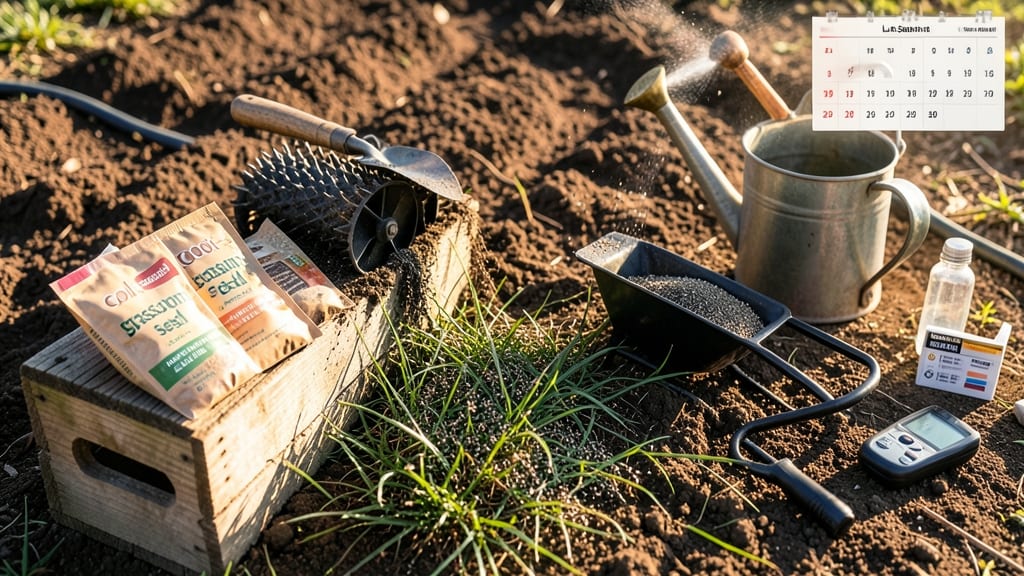
Planting grass seed in Northern California at the right time means the difference between a lush, green lawn and a patchy, struggling mess.
Struggling to get your Northern California lawn looking lush and green? Timing is everything when planting grass seed—but regional microclimates create a tricky balance between avoiding summer droughts and winter frosts.
Coastal areas like San Francisco thrive with fall planting (September-October), while inland zones like Sacramento need to start in late summer (August) to beat the heat. The key? Soil temperatures between 60-75°F and consistent moisture for those first critical weeks.
Below, I break down the best months by microclimate, soil prep secrets, and the 5 mistakes that kill germination—so you can finally get that fast, thick lawn you’ve been dreaming of.
Northern California grass planting calendar: best months by coastal vs inland regions
Northern California's diverse microclimates mean your grass planting success depends entirely on where you live. The coastal regions (like San Francisco and Santa Cruz) enjoy mild winters with consistent rainfall, while inland areas (Sacramento, Chico) face hot, dry summers and cooler nights.
Even the Bay Area has its own unique timing needs due to fog patterns. Getting the timing right ensures your grass seed germinates before summer droughts or winter frosts strike.
For cool-season grasses (like fescue and ryegrass, the most popular choices in Northern California), the ideal planting window is late summer to early fall. This gives roots time to establish before winter rains.
Meanwhile, warm-season grasses (such as Bermuda) prefer late spring planting when soil temperatures consistently stay above 70°F. But these varieties struggle in Northern California's cooler climate, so they're less common.
Soil temperature is the critical factor for germination. Most grass seeds need soil temps between 60-75°F to sprout successfully. Coastal areas hit this window earlier in the year, while inland zones may need to wait until late spring.
Below is a detailed comparison of planting windows for coastal vs. inland Northern California, including frost dates and rainfall patterns that impact timing.
| Region | Best Planting Window | Soil Temp Threshold | Key Considerations |
|---|---|---|---|
| Coastal (San Francisco, Santa Cruz) | Late August - October | 60-70°F | Mild winters, consistent rainfall; avoid planting after first frost (Dec 1) |
| Bay Area (Oakland, San Jose) | September - November | 60-72°F | Fog delays germination; prioritize early fall planting before rains increase |
| Inland (Sacramento, Chico) | Late September - October | 65-75°F | Hotter summers require later planting; water restrictions often start in June |
| All Regions (Spring Option) | February - March | 55-65°F | Avoid planting before last frost (Jan 15 - Feb 15); requires consistent moisture |
If you're in the coastal regions, aim to plant between late August and October when soil temperatures are ideal and rainfall is reliable. The Bay Area benefits from a slightly extended window due to its unique fog patterns, but you'll want to finish by November to avoid winter dormancy.
For inland areas, wait until late September to ensure soil warmth and avoid summer drought stress.
For those considering spring planting (February-March), be prepared for more frequent watering as summer approaches. This window works best for cool-season grasses that can handle Northern California's cooler springs. However, spring planting requires daily watering for the first two weeks to prevent seed from drying out in warming soils.
One common mistake is planting too early in spring before the last frost date. Coastal areas can see frosts as late as January 15, while inland zones may experience them until February 15.
New sprouts are especially vulnerable to frost damage, so always check your local USDA Plant Hardiness Zone (Northern California ranges from 8a-9b) and monitor weather forecasts.
Another critical factor is soil preparation. Northern California soils often lack organic matter, so amend with compost or peat moss before planting. Coastal areas may need additional drainage solutions due to heavy winter rains, while inland zones benefit from mulch to retain moisture during hot summers.
Test your soil's pH level—most grasses prefer a range of 6.0-7.0.
Remember that watering habits change with the seasons. During the germination phase (first 2 weeks), water lightly twice daily to keep soil moist but not soggy. Once established, reduce to deep watering 2-3 times per week in summer and weekly in winter.
Coastal regions may see more natural rainfall, while inland areas will need supplemental irrigation, especially during June-September droughts.
For fastest germination, choose grass seed blends formulated for your region. Tall fescue and fine fescue mixes thrive in Northern California's climate, offering a balance of drought tolerance and cold hardiness.
If you're in a shady area, consider shade-tolerant fescue varieties. Always follow the seed package instructions for application rates—typically 4-8 lbs per 1,000 sqft for new lawns.
Pro tip: Mark your calendar for September 15 as the ideal deadline for fall planting across all Northern California regions. This gives your grass 6-8 weeks to establish roots
How to prepare your soil for fast grass germination in Northern California's climate
Northern California’s clay-heavy soils and nutrient-poor conditions can make grass germination a challenge—but with the right prep, you’ll see sprouts in 7-14 days instead of weeks. The key?
Adjusting pH levels, improving drainage, and adding organic matter to mimic the rich loam found in thriving lawns like those in Marin County.
Start by testing your soil’s pH balance—most grasses thrive at 6.0-7.0. If your soil is too acidic (common in redwood-rich areas), add lime (10 lbs per 100 sq ft).
For alkaline soils (like those in Sacramento’s foothills), use sulfur or peat moss to lower the pH gradually over 2-3 months.
Next, tackle drainage issues. Northern California’s clay soils compact easily, trapping water and suffocating roots. Loosen the top 6 inches with a garden fork or rototiller, then mix in compost or sand (50/50 ratio) to improve aeration.
For heavy clay, consider raised beds if your yard is prone to puddling after rain.
Use a home test kit or send a sample to UC Master Gardeners. Aim for 6.0-7.0 for most grass types.
Add pelletized lime (acidic soil) or elemental sulfur (alkaline soil). Re-test in 2-3 months.
Break up top 6 inches with a fork or tiller. Focus on areas with clay buildup or old lawn remnants.
Mix in 2-3 inches of compost or well-rotted manure. For sandy soils, add peat moss to retain moisture.
Rake to remove clumps and debris. Fill low spots with a soil-sand mix for even seed contact.
Use a low-nitrogen blend (10-10-10) to fuel early root growth. Avoid high-nitrogen fertilizers, which promote top growth over roots.
Don’t overlook organic amendments. Northern California’s nutrient-poor soils benefit from a mix of compost, well-rotted manure, and worm castings. Work these into the top 4-6 inches of soil to create a fertile seedbed.
For sandy soils (common in coastal areas), add peat moss or coconut coir to improve moisture retention.
Finally, level the soil surface to ensure even seed contact. Use a rake to smooth out clumps and fill low spots with a soil-sand mix. This prevents uneven germination and water pooling, which can drown seeds.
For large areas, consider a laser level to achieve a perfectly flat grade—critical for thick, uniform lawns.
With these steps, your Northern California lawn will have the ideal foundation for fast germination and long-term health. The secret? Prep like a pro—because the best grass starts below the surface. 🌱