
Plants
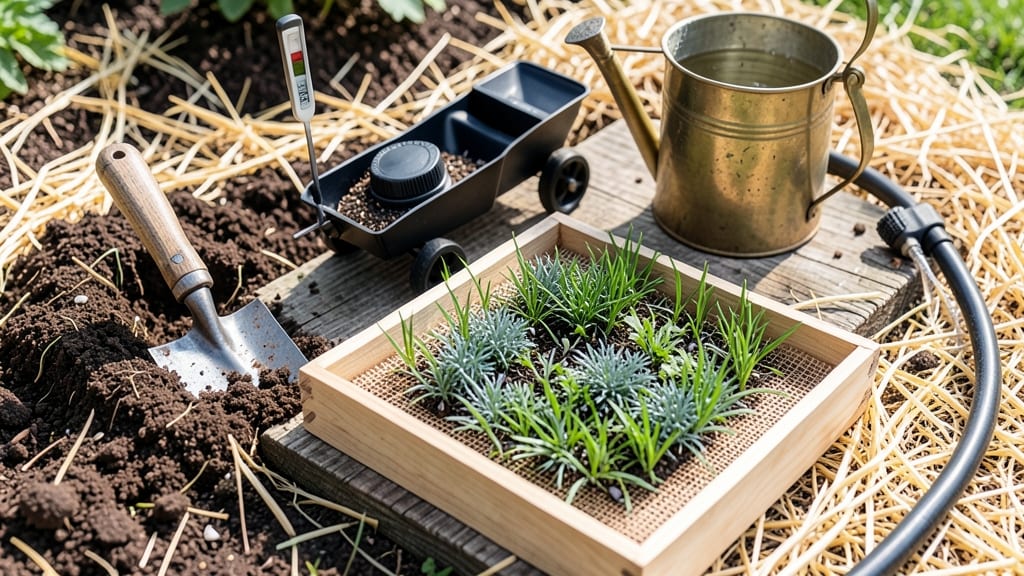
Planting grass seed in Montana means timing it right—between early April and mid-May for spring plantings, or late August to early September for fall—so the seeds germinate before frost strikes again.
Montana’s dramatic elevation shifts and unpredictable frost patterns make this a critical factor in achieving a lush, year-round lawn. One wrong move, and you’re staring at bare patches or seeds that never take hold.
Whether you’re in Missoula’s Zone 5a or Billings’ Zone 6a, the key is soil temperature—wait until it hits 50°F—and knowing your last frost date. Below, I break down the exact windows by elevation, plus the seed types that thrive in each.
You’ll also discover how to adjust for microclimates, avoid common mistakes, and ensure your grass establishes strong roots before winter sets in.
Montana’s grass planting deadlines by elevation zone (with frost-free guarantees)
Montana’s elevation extremes create wildly different frost patterns—what’s perfect timing in Billings (5,400 ft) can spell disaster for Whitefish (4,500 ft) just 100 miles away. To guarantee your grass seed takes root before winter, you’ll need to align planting with local frost-free dates and soil temperature thresholds.
Below are the precise windows for Montana’s three key elevation zones, plus the seed types that thrive in each.
For lowland areas (3,000–5,000 ft), like the Missoula Valley, the frost-free window opens earliest—typically by mid-April—but highland areas above 7,000 ft (think Glacier National Park) may not see reliable frost-free conditions until late June.
These deadlines assume you’re planting cool-season grasses (the best choice for Montana), which need 50–60°F soil temps to germinate.
⚠️ Critical Note: Montana’s frost return risk is higher than most states—even in summer. Plant too late, and a September freeze can kill young seedlings.
Use the summary table below to pinpoint your zone’s exact deadlines, then adjust by 1–2 weeks based on your microclimate (e.g., south-facing slopes warm faster than northern exposures).
If you’re in the lowland zone (3,000–5,000 ft), aim for early spring planting (April 1–May 10) when soil temps hit 50°F.
This gives seedlings 6–8 weeks of growth before summer heat or September frosts threaten them. Kentucky bluegrass and fine fescue are top picks here—they handle Montana’s hot summers and cold winters better than most varieties.
For mid-elevation (5,000–7,000 ft), like Bozeman or Butte, shift your window 1–2 weeks later to avoid late frosts. Fine fescue and creeping red fescue excel here because they tolerate cooler soils and dry spells.
Pro tip: Test soil moisture—if it’s dry below 2 inches, wait for rain before planting.
Highland areas (7,000+ ft) demand patience. Wait until May 1 or risk frost damage—even in June, temperatures can plunge overnight. Tall fescue and buffalo grass are your best bets; they’re drought-tolerant and cold-hardy. Mulch with straw after planting to insulate seeds from chilly nights.
🌱 Late Summer Backup Option: If spring planting misses the window, late summer (August–September) is your second chance—just avoid planting after August 20 in lowlands or after September 1 in highlands. Tall fescue handles this window best, while Kentucky bluegrass struggles to establish before frost.
Use a soil thermometer to confirm temps—50°F is non-negotiable for germination. If your yard sits in a microclimate (e.g., valley vs. hillside), adjust
5 Critical factors that determine your exact planting date in Montana
Montana’s unpredictable frost patterns and wide elevation range mean that simply following a calendar isn’t enough to nail your grass seed planting date. Even neighboring towns can have 2-week differences in frost-free windows, so understanding these 5 critical factors will help you avoid frost-killed seedlings or wasted seed.
Let’s break down what truly matters beyond just elevation.
First, soil temperature is your #1 guide. Grass seeds need soil that’s at least 50°F (10°C) to germinate properly. Using a soil thermometer is the only way to know for sure—air temperature can be misleading, especially in Montana’s microclimates.
For example, Missoula’s soil might hit 50°F in early April, while Billings’ could wait until mid-April due to colder nights.
Montana’s frost return risks are another game-changer. Even after your last frost date, a late spring freeze can wipe out new grass. Check your local USDA hardiness zone (Zone 3-7 across Montana) and add a 2-week buffer after your official last frost date. In high-elevation areas (7,000+ ft), this buffer should stretch to 3-4 weeks to account for lingering cold snaps.
- 🌡️ Soil Temperature: Wait until soil reaches 50°F (10°C)—use a thermometer! Lowland areas (3,000–5,000 ft) may hit this by late March, while highlands (7,000+ ft) could wait until May.
- ❄️ Frost Return Risk: Add a 2–4 week buffer after your last frost date. High-elevation zones need the longest buffer due to late spring frosts.
- 🌿 Seed Type: Cool-season grasses (Kentucky bluegrass, fine fescue) thrive in early spring (April) or late summer (September). Warm-season (buffalo grass) needs soil >60°F (15°C)—plant in June.
- 🏔️ Microclimates: South-facing slopes warm faster than north-facing yards. Urban areas (like Billings) may be 2–3°F warmer than rural zones just 10 miles away.
- ☀️ Sunlight Availability: Early spring plantings need 6+ hours of sun for germination. Shady spots may require fine fescue, which tolerates partial shade better than Kentucky bluegrass.
Next, your seed type dictates your planting window. Montana’s cool-season grasses (like Kentucky bluegrass and fine fescue) are the most popular, and they perform best when planted in early spring (April) or late summer (September).
Warm-season grasses, like buffalo grass, are rare in Montana but require soil temperatures above 60°F (15°C), pushing their planting window to June or July.
Don’t overlook microclimates—they can shift your planting date by weeks. A south-facing slope in Missoula might warm enough for planting by mid-April, while a north-facing yard in the same town could still be too cold.
Urban heat islands in Billings can also create pockets where soil warms 2–3°F faster than surrounding areas, giving you an earlier start.
Finally, sunlight availability plays a sneaky role. Early spring plantings need 6+ hours of direct sun daily to germinate properly. If your yard is shady, opt for fine fescue, which handles partial shade better than other varieties.
Shady spots can delay germination by 1–2 weeks, so adjust your schedule accordingly.
By factoring in these 5 critical elements, you’ll avoid the most common mistakes Montana gardeners make—like planting too early and losing seedlings to frost, or waiting too long and inviting weeds to take over.
Start with a soil thermometer, check your local microclimate, and match your seed to the season for a lawn that thrives year-round. 🌱