
Plants
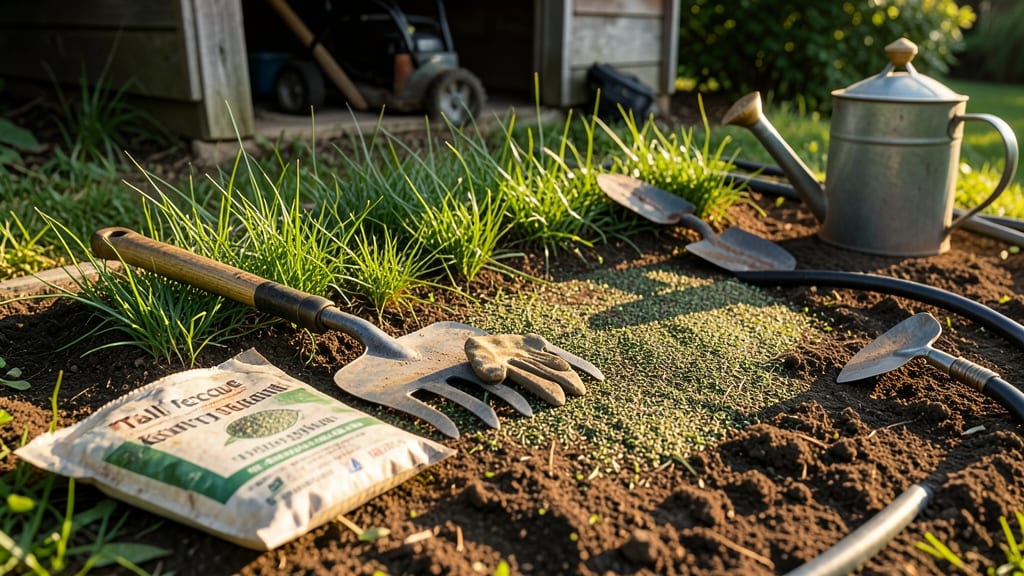
Planting grass seed in Missouri spring is all about hitting the soil temperature sweet spot—between 55°F and 65°F—to give your 🌱 roots the best shot at deep, drought-resistant growth.
Missouri’s unpredictable spring weather can turn your grass-seeding efforts into a gamble—unless you plant at the perfect time for deep root growth and drought resistance. Timing isn’t just about the calendar; it’s about soil temperature, rainfall patterns, and avoiding late frosts that can kill young seedlings.
Cool-season grasses like Kentucky Bluegrass thrive when planted in early spring, while warm-season varieties like Bermuda need the soil to warm up first. Missing this window means risking shallow roots, summer drought stress, or wasted seed.
Below, I break down the exact week-by-week timeline for Missouri’s 5b-6b zones, soil prep hacks, and how to adjust for your specific region—so you can skip the guesswork and get a lush lawn.
Missouri spring grass-seeding timeline: exact weeks for cool-season vs warm-season grasses
Missouri’s spring weather swings from chilly mornings to sudden heatwaves, making timing everything for grass seed success. Cool-season grasses like Kentucky Bluegrass and Tall Fescue thrive when soil hits 50°F–60°F, while warm-season varieties like Bermuda and Zoysia need 65°F–75°F to germinate.
Missing these windows means weak roots or wasted seed—so let’s pinpoint the exact weeks to plant for your Missouri region.
Northern Missouri (USDA Zone 5b), like St. Louis and Kansas City, has a shorter frost-free window, while southern areas (Zone 6a) can plant later. I’ll break down the ideal weeks for each grass type, plus how to adjust for microclimates (e.g., urban heat islands vs. rural fields).
Pro tip: Use a soil thermometer—never guess!
| Grass Type | Best Planting Window (Missouri) | Soil Temp Threshold (°F) | Frost Risk | Moisture Needs |
|---|---|---|---|---|
| Kentucky Bluegrass (Cool-Season) | Late March–April (Weeks 10–14) | 50°F–60°F | High (avoid after April 15) | Consistent moisture (daily watering for 2 weeks) |
| Tall Fescue (Cool-Season) | March–May (Weeks 8–20) | 50°F–65°F | Moderate (safe after last frost) | Deep watering (1–1.5" per week) |
| Bermuda (Warm-Season) | Late April–May (Weeks 16–20) | 65°F–75°F | Low (plant after May 1) | Drought-tolerant (reduce water after establishment) |
| Zoysia (Warm-Season) | Mid-April–June (Weeks 14–24) | 60°F–70°F | None (heat-loving) | Well-drained (avoid soggy soil) |
*Weeks calculated from January 1; adjust for your last frost date (e.g., St. Louis: Week 12, Kansas City: Week 14).
For St. Louis (Zone 6a), aim to plant Kentucky Bluegrass by Week 12 (early April) to avoid late frosts. In Kansas City (Zone 5b), wait until Week 14 (mid-April) when soil warms to 55°F.
Rural areas with cooler microclimates (e.g., near lakes) may need to delay by 1–2 weeks.
Warm-season grasses like Bermuda and Zoysia can wait until soil hits 65°F, typically late April–May. These grasses won’t germinate in cooler soil, so don’t rush—wait for consistent warmth to prevent seed rot. Use a soil thermometer to confirm before planting.
Moisture is critical during germination. Cool-season grasses need daily watering for the first 2 weeks, while warm-season types tolerate drier conditions once established. In drought-prone areas (e.g., western Missouri), use mulch to retain moisture and reduce evaporation.
If you miss the ideal window, don’t panic. Over-seeding in early fall (September) is a great backup for cool-season grasses. For warm-season types, wait until early summer (June) if spring planting slips. Just avoid planting after June 15—new seedlings won’t survive summer heat.
Pro move: Test your soil’s pH (6.0–7.0) before planting. Kentucky Bluegrass thrives in slightly acidic soil, while Bermuda prefers neutral to alkaline. Amend with lime or sulfur as needed 4–6 weeks before seeding.
Finally, mark your calendar for post-planting care: Fertilize with a starter
5 Critical factors that determine your True Planting Window in Missouri (Beyond the Calendar)
Missouri’s spring weather can be a double-edged sword for grass seeding—too early and frost kills your seedlings, too late and summer heat stresses them. The calendar date alone won’t cut it. Instead, focus on soil temperature, rainfall patterns, and grass type to pinpoint your ideal window.
For example, Kentucky Bluegrass thrives when soil hits 55–65°F, while Bermuda grass waits for 70°F+. Ignore these factors, and your investment could end up in bare patches.
Start by checking your USDA Zone—Missouri spans 5b to 6a, meaning frost dates vary wildly. Northern counties like St. Joseph may see frost until April 25, while southern areas like Poplar Bluff can plant safely by March 20.
Pair this with a 7-day rainfall forecast—planting during a drought means relying on daily watering, while heavy rain risks seed smothering. Use tools like the National Weather Service’s Climate Prediction Center to track county-specific risks.
Here’s your Missouri-specific checklist to avoid common mistakes:
- Soil Temperature
- Rainfall Forecast
- Frost Dates
- Grass Type
- Prep Steps
2. Rainfall Forecast: Check NOAA’s 7-day outlook for your county. Aim for 0.5–1 inch of rain post-planting. If drought is forecasted, irrigate daily for 2 weeks.
3. Frost Dates: Northern MO (Zone 5b) waits until April 15+. Southern MO (Zone 6a) can start by March 20. Use Almanac’s frost calculator for your zip code.
4. Grass Type: Cool-season grasses (Kentucky Bluegrass, Tall Fescue) plant in early spring. Warm-season grasses (Bermuda, Zoysia) wait for late spring/early summer (May 15+).
5. Prep Steps: Aerate 2 weeks before seeding, apply pre-emergent herbicide 4–6 weeks prior, and rake to create a fine seedbed. Skipping prep = weed competition and poor germination.
Your grass type dictates more than just timing—it influences preparation steps. For instance, cool-season grasses like Tall Fescue benefit from early spring aeration to break up compacted soil from winter. Meanwhile, warm-season grasses such as Bermuda require herbicide application in late winter to kill existing cool-season weeds before planting.
Pro tip: Test your soil pH (ideal range: 6.0–7.0)—Missouri’s clay-heavy soil often needs lime or sulfur adjustments.
Don’t overlook post-planting care, either. After seeding, lightly water daily to keep soil moist (not soggy) until germination (14–28 days). Once sprouts appear, reduce to 2–3 times per week and avoid walking on the lawn.
In drought-prone areas like southwest Missouri, consider hydroseeding for better moisture retention. For shady spots, opt for Fine Fescue, which tolerates 2–4 hours of sun.
Missouri’s microclimates mean your neighbor’s perfect timing might fail for you. For example, urban St. Louis (warmer due to heat islands) can plant 1–2 weeks earlier than rural Boone County.
Always verify with local extension offices or weather stations near your property. When in doubt, plant in early April—it’s the safest bet for most of the state.
Timing your grass seeding right in Missouri isn’t about memorizing dates—it’s about reading your soil, weather, and grass needs. Use this checklist, adjust for your specific county, and you’ll avoid the #1 mistake: planting when conditions are too hot, too cold, or too wet.
With the right prep and patience, your lawn will establish deep roots and outlast summer’s droughts.