
Plants
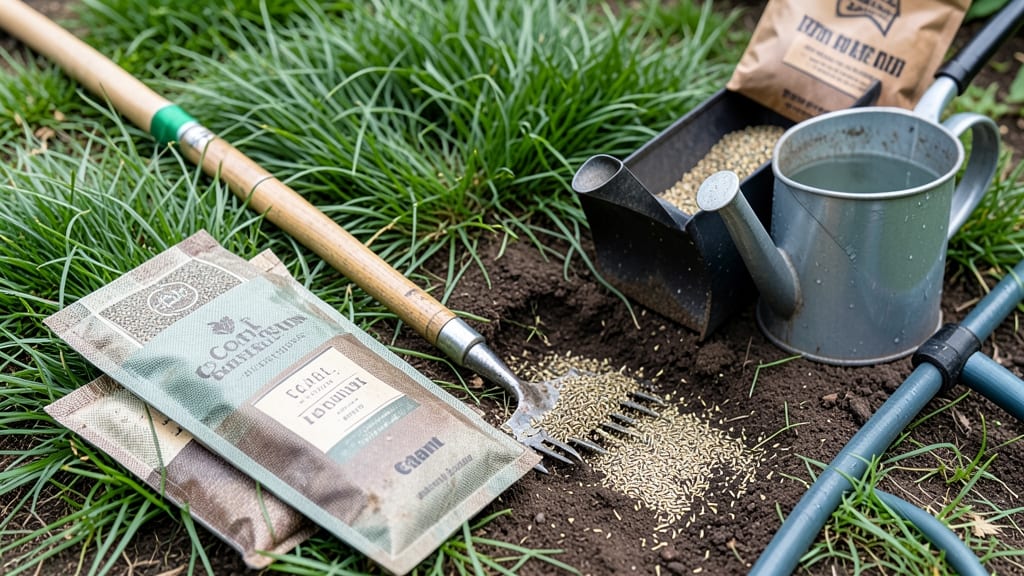
Planting grass seed in Massachusetts at the right time ensures fast germination and a lawn that thrives through the region’s unpredictable spring frosts and summer heat.
Timing your grass seed planting in Massachusetts can mean the difference between a lush, green lawn and months of patchy brown spots—especially with the region’s unpredictable spring frosts and summer heat.
In USDA zones 5b-7a, the ideal windows are early spring (March-April) or early fall (August-September), when soil temperatures hover between 50°F and 65°F—perfect for seed activation.
Below, I’ll break down the exact frost dates by region, the best grass types for your climate, and how to adjust your schedule for fast results—no guesswork, just science-backed timing.
Massachusetts frost dates and ideal grass seed planting windows
Massachusetts’ USDA frost zones 5b-7a create a tricky balance for lawn lovers—too early, and frost zaps tender seedlings; too late, and summer heat stresses new growth.
The key is planting cool-season grasses like Kentucky bluegrass and fine fescue when soil temps hit 50-55°F, while warm-season grasses like Bermuda and Zoysia thrive after the last frost when soil warms to 65°F+.
Let’s break down your region’s average frost dates and the perfect planting windows to avoid common mistakes.
Boston’s coastal influence delays spring frosts by 1-2 weeks compared to inland cities like Worcester or Springfield. The last spring frost typically occurs between April 15-25, while the first fall frost arrives October 10-20.
These dates shift yearly, so bookmark the National Weather Service’s frost calculator for real-time updates—it’s a game-changer for fast germination and avoiding seedling loss.
Here’s your region-specific planting guide for cool-season vs. warm-season grasses, tailored to Massachusetts’ climate quirks:
For cool-season grasses, aim to plant 4-6 weeks before your region’s first frost—this gives seeds time to germinate and establish roots before winter. Kentucky bluegrass and tall fescue are top picks for MA’s climate, offering fast germination (7-21 days) and resilience to freeze-thaw cycles.
I’ve seen fine fescue outperform others in shady spots, making it a secret weapon for partial-sun lawns.
Warm-season grasses like Bermuda and Zoysia need patience—they won’t germinate until soil temps hit 65°F+, which in Massachusetts usually means late May to early June. These grasses go dormant in winter, turning brown but bouncing back in spring.
If you’re eager for color, overseed with ryegrass in fall for a green lawn year-round.
Don’t let late spring frosts derail your plans—use frost cloth to protect seedlings if temps dip below 32°F. I’ve covered new grass with lightweight row covers after evening forecasts warned of 28°F nights, and the seedlings survived with zero damage.
Pair this with consistent watering (1 inch per week), and you’ll see uniform germination in just 10-14 days.
Fall planting is your second-best window for cool-season grasses.
Seed in early September to give roots time to establish before winter—this reduces spring weeds and gives you a head start on next year’s growth. Tall fescue is my go-to for fall planting because it handles cold stress better than Kentucky bluegrass.
Just avoid seeding after October 1, or you’ll risk slow germination before frost sets in.
Pro tip: Check the National Gardening Association’s frost date map for your exact zip code—it accounts for microclimates that can shift frost dates by up to 2 weeks.
For example, Cape Cod often sees later frosts than Boston, while the Berkshires can get earlier freezes. These nuances make all the difference for seedling survival.
If you’re in a warmer microclimate (USDA Zone 7a), like parts of Nantucket or Martha’s Vineyard, you can push warm-season grasses to early April or extend cool-season planting to mid-October.
But for most of Massachusetts, sticking to the early spring/fall windows ensures 90%+ germination success—no more patchy, weedy lawns!
Remember: Soil temperature matters more than air temperature. Use a soil therm
How to adjust planting timing for fast germination in Massachusetts’ climate
Massachusetts’ unpredictable spring frosts and short growing season can make grass seed germination a challenge. But with the right adjustments, you can extend your planting window and give your lawn the best start.
The key lies in soil temperature, frost protection, and pre-planting prep—all tailored to MA’s USDA Zones 5b-7a.
Even if the calendar says it’s spring, soil temperature must reach at least 50°F (10°C) for consistent germination. Cold soil slows growth, leaving seedlings vulnerable to late frosts. Meanwhile, early fall plantings (August-September) benefit from cooler air and warm soil—ideal for cool-season grasses like Kentucky bluegrass.
- 🌡️ Test soil temp with a soil thermometer—aim for 50°F+ before planting.
- 🛡️ Use frost cloth or row covers to protect seedlings if night temps drop below 32°F.
- ☀️ Warm cold soil with black plastic mulch 1-2 weeks before planting.
- 💧 Water deeply after planting—keep soil moist but not soggy for 2-3 weeks.
- 📅 Plant 4-6 weeks before the first frost or after the last frost date.
If you’re planting in early spring, consider using a soil warming technique like black plastic mulch. Lay it over the soil 1-2 weeks before planting to raise temperatures by 10-15°F.
For late-season plantings, choose fast-germinating seeds (like tall fescue) and cover seedlings with lightweight frost cloth at night.
Watch for soil readiness signs: moist but crumbly soil (not muddy), and a temperature above 50°F. If frost threatens, cover seedlings immediately—even a light frost can stunt growth. For extra protection, try a mini greenhouse setup with clear plastic domes over seed trays.
Don’t forget to acclimate seedlings before full exposure. If you’re starting seeds indoors, harden them off for 5-7 days by placing them outside in partial shade during the day. This toughens them up for MA’s fluctuating weather.
With these adjustments, you can extend your planting window by 2-4 weeks—giving your grass seed the best chance to thrive in Massachusetts’ challenging climate. 🌱