
Plants
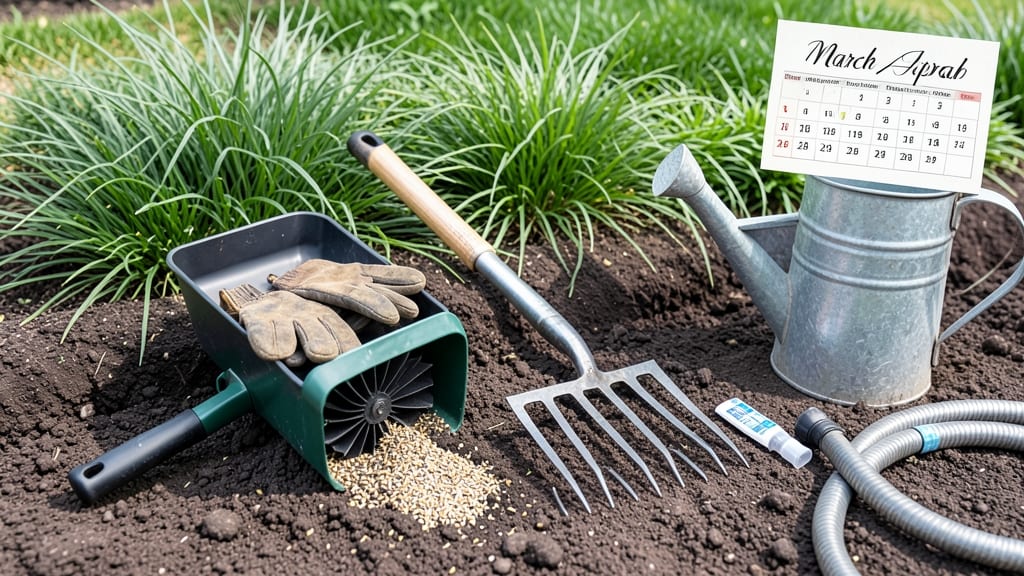
Planting grass seed in Maryland at the right time means the difference between a lush, green lawn and a patchy, struggling mess.
Maryland’s unpredictable spring weather can turn your grass-seeding plans into a guessing game—plant too early and risk frost damage, too late and miss the ideal growing window. Timing is everything for a thick, green lawn that survives the state’s humid summers and chilly winters.
In USDA Zones 7a-7b, the best windows are early spring (March–April) or early fall (September–October), when soil temperatures hover between 55–65°F. But coastal areas like Annapolis may have a 2-week earlier window than inland spots like Frederick, so local frost dates matter.
Below, I’ll break down the exact soil temps to watch for, how to adjust for Maryland’s microclimates, and the fastest-growing seed varieties that beat the heat and humidity. No more second-guessing—just a lawn that thrives.
Best planting windows in Maryland: soil temperature & frost-free dates by region
Maryland’s USDA Zones 7a and 7b create a unique gardening climate where timing grass seed can make or break your lawn’s success. Unlike northern states, Maryland’s spring frost dates vary wildly—from late March in rural areas to early April in cities like Baltimore.
The key? Plant when soil temperatures hit 55–65°F and stay consistent for 7–10 days.
For most of Maryland, the ideal planting windows are early spring (March–April) and early fall (September–October). Spring planting lets grass establish before summer heat, while fall seeding avoids summer drought stress. However, coastal regions (like Annapolis) often have 2–3 weeks earlier frost-free dates than inland areas.
Here’s the breakdown you need to avoid common mistakes like frost damage or summer dormancy:
| Region | Avg. Last Frost | Soil Temp Threshold | Best Planting Window | Key Consideration |
|---|---|---|---|---|
| Baltimore/DC Suburbs | March 22–April 2 | 55–65°F (mid-April) | Late March–April 15 | Urban heat islands delay frost; test soil weekly. |
| Coastal (Annapolis, Ocean City) | March 10–20 | 50–60°F (early April) | Mid-March–April 10 | Salty air; choose drought-tolerant varieties. |
| Rural (Western MD, Frederick) | March 28–April 8 | 60–65°F (late April) | April 1–May 1 | Cooler nights; extend window into May. |
| Fall Planting (All Regions) | N/A | 60–70°F (Sept–Oct) | September 1–October 15 | Avoid planting after October 15—roots need 6+ weeks to establish. |
Spring planting in Maryland requires patience—wait until soil warms to 55°F at 4-inch depth. Use a soil thermometer (available at garden centers) to track progress. In Baltimore and DC suburbs, this typically aligns with mid-to-late April, while coastal areas can start as early as mid-March.
Fall is often the best time for grass seed in Maryland because cool nights and warm days create perfect growing conditions. Aim to plant 6–8 weeks before first frost (usually September 1–October 15).
This gives seedlings time to develop deep roots before winter dormancy. Overseeding in fall is ideal for repairing thin lawns.
For warm-season grasses (Bermuda, Zoysia), delay planting until late spring (May–June) when soil temps exceed 70°F.
These grasses thrive in summer heat but struggle with Maryland’s cool winters. Cool-season grasses (tall fescue, Kentucky bluegrass), however, should never be planted in summer—they’ll go dormant and fail to establish.
Pro tip: Check the Maryland Cooperative Extension’s frost maps for real-time updates. Their 2024 frost calendar accounts for climate shifts and can adjust your planting by 1–2 weeks if needed. Also, avoid planting after July 1—summer heat causes seed desiccation, even with daily watering.
If you’re in doubt, late September is the safest bet for most of Maryland. By then, summer’s intensity has passed, and soil remains warm enough for 60–70°F germination. Just be sure to water deeply 2–3 times weekly until new grass reaches 3 inches tall.
🌱
How to adjust your planting schedule for Maryland’s weather quirks
Maryland’s weather can throw off even the most experienced gardener. One week you’re dealing with late spring frosts that linger into April, and the next, summer heat waves arrive earlier than expected. The key to success?
Flexibility. I’ve learned to adjust my planting schedule based on soil temperatures, not just calendar dates, and to choose fast-germinating varieties that can handle Maryland’s humidity and heat.
For example, in western Maryland, where nights stay chilly longer, I often delay planting until mid-April to avoid frost damage. Meanwhile, in coastal areas like Annapolis, I might start as early as late February because the ocean moderates temperatures.
The trick is knowing your local microclimate and being ready to pivot if Mother Nature has other plans.
- Test soil temps with a soil thermometer—aim for 55–65°F before planting. Cool-season grasses like tall fescue germinate best in these conditions.
- Monitor frost dates using the Maryland Department of Agriculture frost calendar. Coastal areas typically have 2 weeks earlier frost-free dates than inland regions.
- Choose fast-germinating seeds like ‘Turf-Type Tall Fescue’, which sprouts in 7–10 days compared to slower varieties that take 3+ weeks.
- Water deeply after planting—1 inch per week—to encourage root growth, especially during summer droughts that hit Maryland hard.
- Overseed in September for patchy lawns. Cool fall temps and consistent rainfall create ideal conditions for new grass to establish before winter.
If you’re planting in late summer, focus on shade-tolerant varieties like fine fescue, which handle Maryland’s humid afternoons better than sun-loving Bermuda grass. I’ve also found that mulching with straw after seeding helps retain moisture and keeps seeds cool during heat spikes that can dry out soil quickly.
For overseeding patchy lawns, timing is critical. Aim for late August to early September when daytime temps drop below 85°F. This gives new grass time to establish before first frost, which typically hits Maryland by mid-November.
I’ve had the best results by aerating the lawn first to loosen compacted soil and improve seed-to-soil contact.
Don’t forget to adjust your irrigation schedule based on Maryland’s variable rainfall patterns. In spring and fall, natural rainfall often suffices, but during summer droughts, I set up a drip irrigation system to deliver water slowly and evenly.
This prevents runoff and ensures seeds stay hydrated without washing away.
Finally, keep an eye on the Maryland Cooperative Extension alerts for pest and disease risks like grubs or fungal infections, which thrive in Maryland’s damp conditions. A little proactive care—like applying pre-emergent herbicide in early spring—can save your lawn from costly damage down the road.