
Plants
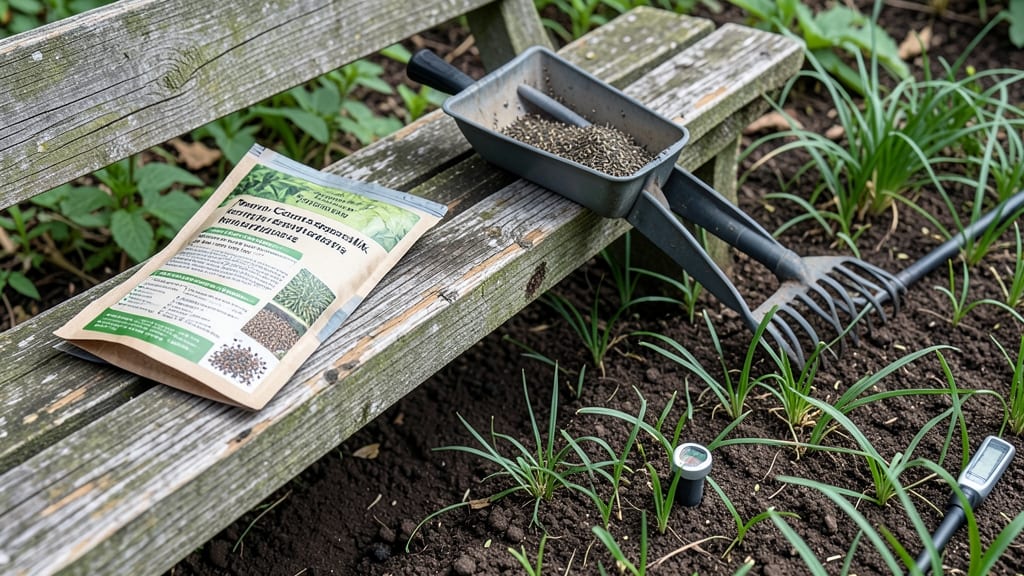
Planting grass seed in Idaho at the right time means the difference between a thick, weed-resistant lawn and a patchy, frustrating mess.
If you’ve ever stared at a newly seeded yard only to watch it turn to mud under April showers or freeze before roots take hold, you know how quickly things can go wrong.
Idaho’s USDA Zones 4–7 and unpredictable spring rains make timing everything—especially when early spring frost heave or late fall dormancy can undo months of work.
Most Idaho gardeners swear by early fall (August–September) as the safest bet, but spring planting (March–April) works too—if you nail the soil prep and watering. The key is understanding your microclimate: Boise’s dry heat demands a different approach than Coeur d’Alene’s cooler, wetter springs.
Below, I break down the exact windows for your zone, soil tricks to outsmart Idaho’s clay or sandy soils, and the one grass blend that thrives in both seasons—no guesswork, just results.
Best planting windows in Idaho: spring vs fall timing explained
Idaho’s variable climate makes choosing the right planting window critical for grass seed success.
Unlike warmer states, Idaho’s elevation differences (3,000–7,000 ft) and microclimates (Boise’s dry heat vs. Coeur d’Alene’s cooler valleys) create distinct planting zones. Spring vs. fall planting each offer unique advantages—but timing is everything to avoid frost heave or winter dormancy before establishment.
Most Idaho gardeners focus on two ideal windows: early spring (March–April) and early fall (August–September). These periods align with soil temperature thresholds (50–65°F for germination) and rainfall patterns.
However, elevation adjustments are key—mountainous areas like Sun Valley may need to delay spring planting by 2–3 weeks compared to Boise’s lower valleys.
Spring planting (March–April) works best in USDA Zones 5–7, but risks include late frosts that can kill young seedlings. Fall planting (August–September) is often preferred because cooler temps reduce weed competition and grass establishes roots before winter. However, planting too late in fall can leave grass vulnerable to dormancy before hardening off.
Here’s how Idaho’s regional microclimates affect timing:
For spring planting, aim to sow grass seed 2–3 weeks after your last frost date. In Boise (Zone 6), this typically means mid-April, while in Coeur d’Alene (Zone 5), wait until late April.
Use a soil thermometer to confirm temps are above 50°F—cold soil delays germination by weeks.
If you choose fall planting, seed by mid-September in northern Idaho (Zone 4) or late September in Boise (Zone 6). The goal is to give grass 4–6 weeks of growth before first frost.
In southern Idaho’s Zone 7 (e.g., Twin Falls), you can extend planting to early October.
One critical mistake Idaho gardeners make is planting too early in spring or too late in fall. Early spring seeds may suffer frost heave, where freezing/thawing cycles lift seedlings from the soil.
Late fall seeds often don’t root deeply before winter, leading to patchy lawns. To avoid this, test soil moisture—if it’s dry, delay planting until rains return.
Pro tip: Ryegrass (a cool-season grass) is a favorite for fall planting in Idaho because it germinates quickly (5–10 days) and outcompetes weeds. Mix it with fescue for a drought-resistant blend that thrives in Boise’s water restrictions.
For spring, consider warm-season grasses like buffalo grass, which tolerates southern Idaho’s hot, dry summers.
Regardless of season, prep your soil 2–4 weeks before planting. Loosen the top 2–3 inches, remove debris, and level the area. In sandy soils (common in the Magic Valley), add peat moss to retain moisture. For clay-heavy soils (like those in Ketchum), mix in compost to improve drainage.
How to prepare Idaho soil for grass seed success
Before you even think about scattering grass seed, Idaho’s clay-heavy soils or sandy patches (common in the Magic Valley) can sabotage your lawn if you skip this step. I’ve learned the hard way—skipping soil prep in Boise’s alkaline soil means seed just sits there, waiting for weeds to move in.
The secret? A two-step process: testing and amending, then protecting that work with the right timing for herbicides.
Start by testing your soil’s pH level. Idaho’s native soils often run alkaline (7.5+), which stunts grass roots. Aim for a 6.0–7.5 range—use a DIY test kit or send a sample to your local University of Idaho Extension office for precise results.
If your soil is too alkaline, mix in sulfur or peat moss (especially for sandy soils), while acidic soils need lime.
Once you’ve adjusted the pH, it’s time to till the soil. Use a tiller or rototiller to loosen the top 2–3 inches—this breaks up compacted layers and helps roots penetrate easily.
In high-traffic areas or clay-heavy spots like Twin Falls, rent a core aerator after tilling to create 1/2-inch holes every 2–3 inches. This mimics nature’s drainage and gives new grass roots room to grow.
✅ Idaho Soil Prep Checklist
- 🔹 Test pH (6.0–7.5 ideal)
- 🔹 Till 2–3" deep (break compaction)
- 🔹 Add compost (1–2 inches for nutrients)
- 🔹 Aerate clay soils (core aeration for drainage)
- 🔹 Apply pre-emergent 2 weeks before seeding (fall) or after seeding (spring)
💡 Pro Tip: For sandy soils (like in Twin Falls), mix in peat moss to retain moisture.
Don’t overlook compost or organic matter. Spread a 1–2 inch layer of compost over the tilled area, then lightly rake it in. This adds nitrogen and microbes that help seed germinate faster.
In northern Idaho (Zone 4–5), where winters are harsher, mix in a slow-release fertilizer (like 10-20-10) to give your grass a head start.
If weeds are already crowding your lawn, time your pre-emergent herbicide carefully. For fall planting (August–September), apply pre-emergent 2 weeks before seeding to block weeds without harming grass.
For spring planting (March–April), wait until after seeding—weeds are less aggressive early in the season, and your new grass will outcompete them once established.
Finally, level the soil with a rake, especially in low-lying areas where water pools. Idaho’s spring rains can turn seed beds into mud if drainage is poor. For compacted lawns (common in older neighborhoods), aerate again in early fall to keep roots healthy through winter.
With these steps, your grass seed will have the perfect loose, fertile, weed-free bed to sprout into a thick, green lawn.