
Plants
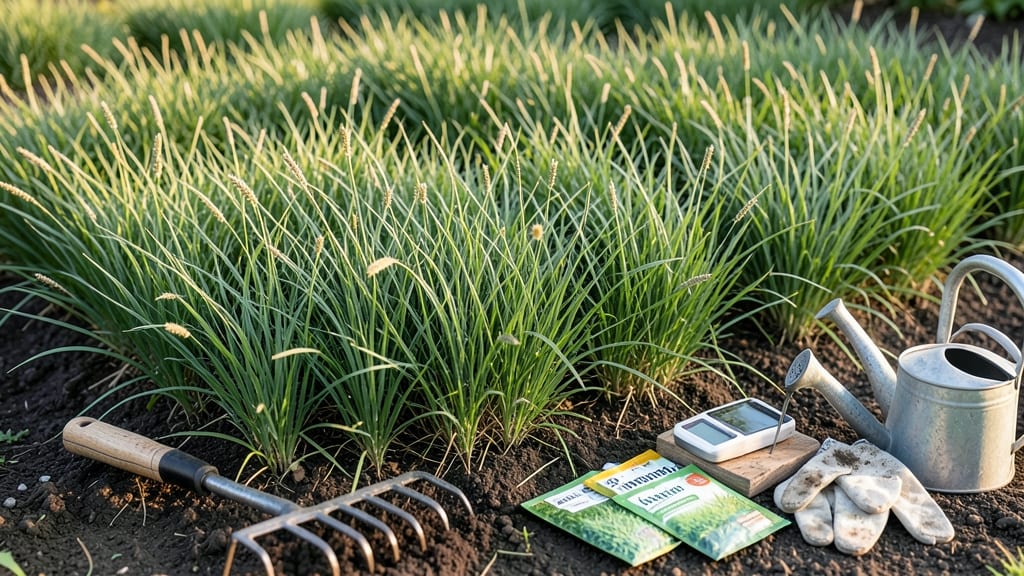
Planting grass seed in Arizona at the right time is the difference between a lush lawn and a failed experiment 🌱 — aim for early fall or late winter when temperatures cooperate.
Here’s the hard truth: Planting grass seed in Arizona’s scorching climate isn’t just about timing—it’s about survival. Get it wrong, and your seed could bake in the sun before sprouting, wasting months of effort and money.
The key is to avoid the brutal summer heat and leverage the cooler months when the soil stays moist and the sun isn’t relentless.
In Zone 9b, like most of Arizona, the best windows are September through October or February through March. These months offer the perfect balance of warmth for germination and cooler air that keeps the soil from drying out too fast.
But timing isn’t the only factor—soil prep and watering techniques play just as big a role in whether your grass takes root or turns to dust.
Below, I’ll break down the exact months to plant by region (Phoenix vs. Flagstaff), the three mistakes that kill grass seed before it even sprouts, and how to prep your soil for maximum success—so you can finally stop guessing and start growing.
Best months to plant grass seed in Arizona (avoid these dead zones)
Arizona’s climate is a double-edged sword for grass seed—too early, and your seed will bake in 110°F+ temperatures; too late, and weeds steal your lawn’s spotlight. The key? Timing tied to monsoon season and temperature thresholds.
Low Desert areas like Phoenix thrive with fall planting (Sept-Oct), while High Desert regions like Flagstaff can extend into late winter (Feb-Mar). Let’s break down the optimal windows and dead zones to avoid.
Monsoon rains (July-Sept) might tempt you to plant, but the intense heat and uneven moisture create perfect conditions for fungal diseases. Instead, aim for cooler shoulder seasons when temperatures dip below 90°F and rainfall becomes consistent. This is when grass seed germinates reliably without battling heat stress or drought.
Here’s the critical comparison: Low Desert (Phoenix, Tucson) vs. High Desert (Flagstaff, Prescott). The difference in elevation means 50°F+ temperature swings and frost risk in higher areas. Your planting window shifts dramatically based on these factors.
| Climate Zone | Best Planting Months | Temperature Threshold | Rainfall Trigger | Avoid These Months |
|---|---|---|---|---|
| Low Desert (Phoenix, Tucson) | September–October | 60°F–85°F (night/day) | Post-monsoon (Aug–Sept) | April–July (100°F+) |
| High Desert (Flagstaff, Prescott) | February–March | 40°F–70°F (night/day) | Spring rains (Mar–Apr) | July–September (monsoon heat) |
| Both Zones | November (backup) | 50°F–75°F | Winter rains (Dec–Jan) | May–June (pre-monsoon dry) |
In the Low Desert, September is your golden window—temperatures drop from 100°F to 85°F, and monsoon rains taper off, leaving consistent moisture for germination. I’ve seen Bermuda grass sprout in 7–10 days when planted in early September with proper watering.
Skip planting in August, though—monsoon downpours can wash away seed or drown it in waterlogged soil.
For High Desert gardeners, February is your best bet—soil temperatures hover around 50°F–60°F, and spring rains are just around the corner. Tall Fescue and Fine Fescue thrive here because they tolerate cooler temps and drought once established.
Avoid planting in April, as heat spikes can stress seedlings before they root.
One pro tip: Use a soil thermometer to confirm ideal germination temps—most grass seed needs 55°F–75°F soil temps. If your soil runs hotter than 80°F, wait 2–3 weeks or use shade cloth to protect seedlings.
I’ve lost count of how many times I’ve rushed planting in late August only to watch seeds bake in the sun.
Don’t overlook November as a backup month—it’s cooler, weeds are dormant, and winter rains provide natural irrigation. However, avoid planting in May–June unless you’re in a shaded microclimate.
The pre-monsoon dry heat (often 105°F+) will kill seed before it germinates. I once planted Kentucky Bluegrass in June—it lasted 3 days before turning crispy.
If you’re in a transition zone (e.g., Sedona or Prescott Valley), split your planting: 50% in September and 50% in February. This two-phase approach ensures year-round coverage and minimizes bare spots. Just remember: water
3 Critical mistakes that kill grass seed germination in Arizona heat
Arizona’s 110°F+ summers can turn your grass seed into crispy snacks before it even sprouts. Even the most expensive seed blends fail when these three common mistakes take over. Let’s fix them before your lawn dreams turn to dust.
First, planting at the wrong time is the #1 killer. Many assume spring is ideal, but April-May heat dries seeds out faster than a desert mirage. Even fall planting has a sweet spot—too early, and fungal diseases thrive; too late, and winter dormancy kicks in before roots establish.
Second, skipping soil prep is like pouring water on concrete. Arizona’s alkaline soil (pH 7.5+) suffocates seeds, while compacted ground blocks root penetration. Without proper aeration and amendments, your seed sits there starving for nutrients while weeds move in.
Third, watering wrong is a silent death sentence. Drowning seeds causes rot, while superficial sprinkling leaves them parched beneath the surface. Most gardeners either overwater at night (fungus party) or underwater during heatwaves (seed dehydration).
⚠️ WARNING: Arizona’s Deadly Grass Seed Timing Trap
Planting between May and September means your seed will bake in 100°F+ soil before germinating. Even "heat-tolerant" varieties like Bermuda grass struggle when soil temps exceed 90°F. The fix? Wait until soil temps drop below 85°F—typically late August to October in most Arizona zones.
Let’s tackle the first mistake head-on: timing. The perfect Arizona window is September-October for cool-season grasses (like Tall Fescue) and late August for warm-season types (like Buffalo grass). Pro tip: Use a soil thermometer—plant only when temps are below 85°F.
If you miss fall, your next chance is February-March, but be ready for spring weed competition.
For soil prep, start with a pH test—Arizona’s natural alkalinity often needs sulfur or peat moss to lower pH to 6.0-7.0. Then, till in 2-3 inches of compost and rake until the surface is smooth as a billiard table.
Skip this, and your seed will float on a crust instead of sinking into nourishing soil.
Watering requires precision: Light but frequent is key. Use a sprinkler with fine mist to keep the top 1/4 inch of soil damp (like a wrung-out sponge).
Water early morning only—evening sessions invite fungal infections, and midday evaporation wastes effort. Once sprouts appear, gradually reduce frequency to encourage deep roots.