
Plants
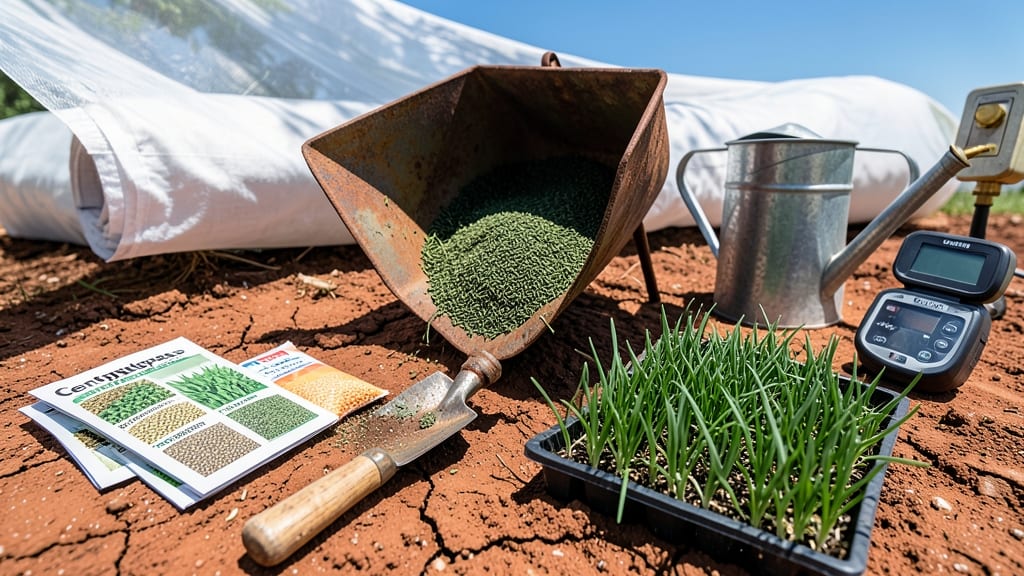
To plant grass seed in Houston, aim for late summer or early fall when soil temps drop below 85°F—this is the fastest way to avoid drought stress and fungal issues.
Houston’s scorching summers and sudden downpours can turn grass seeding into a high-stakes gamble. Miss the window, and you’ll battle heat stress or washed-out seeds before your lawn even takes root.
Locals swear by August–September for cool-season grasses like ryegrass, while warm-season varieties like Bermuda or St. Augustine thrive when planted in late summer before the first frost.
Here’s how to time it perfectly—plus soil prep tips and rainfall deadlines—to guarantee a thick, weed-resistant lawn that stays green year-round.
Houston’s ideal grass seed planting windows by soil temperature
Houston’s humid subtropical climate creates two distinct windows for planting grass seed: late summer and early fall. The key? Soil temperature. Most grass seeds need soil between 65°F and 75°F for optimal germination.
Summer grass like Bermuda thrives when planted in late August, while winter grasses like ryegrass prefer the cooler October soil. Miss these windows, and you risk heat stress or dormancy before roots establish.
Testing your soil temperature is simple. Use a soil thermometer (available at garden centers for under $10) and check it 2 inches deep in the morning. If it’s above 80°F, wait—your seeds will dry out before germinating.
For fall planting, aim for soil temps between 70°F and 80°F. This balance ensures 90%+ germination rates and a thick, weed-resistant lawn by winter.
Here’s the science: Grass seeds need moisture and warmth to break dormancy. In Houston’s 90°F+ summers, seeds can overheat or dry out in hours. Conversely, spring planting (March-April) is risky because warm-season grasses like St. Augustine may dormant before establishing, while cool-season grasses like ryegrass won’t survive Houston’s heat.
Timing is everything—fall is your safest bet for year-round success.
For summer grasses like Bermuda or Zoysia, late August is critical. These varieties love heat but need established roots before Houston’s 95°F+ temperatures hit. Plant too late (after Labor Day), and your seeds may bake in the sun before sprouting.
Pro tip: Water deeply every morning for the first 2 weeks to keep soil moist—1–1.5 inches per week is ideal. Use a rain gauge to track moisture; Houston’s 50+ inches of rain can make overwatering just as deadly as underwatering.
If you’re planting cool-season grasses like ryegrass or fescue, October is your window. These grasses dormant in summer but thrive in Houston’s milder fall temps. Wait until soil temps drop below 80°F, and you’ll see faster germination and thicker growth before winter.
Just avoid planting after November 15—frost-sensitive varieties may not survive Houston’s rare freeze events.
Houston’s clay-heavy soil can slow germination, so amend with compost before planting. Mix in 2–3 inches of organic matter to improve drainage and aeration. For large lawns, consider a core aeration session 2 weeks before seeding to break up compacted soil.
This step alone can boost germination rates by 30%, saving you time and money on reseeding.
One common mistake? Planting too early in spring. By April, Houston’s heat can dormant cool-season grasses before they take root. Instead, focus on late summer or early fall—these windows align with natural rainfall patterns, reducing your watering workload.
For example, September often brings tropical downpours, which help hydrate new seedlings without overworking your hose.
For fastest results, pair your planting with a starter fertilizer (high in phosphorus). Look for a 10-20-10 NPK ratio to encourage root growth. Apply it lightly (½ pound per 100 sqft) at planting, then feed again in 6–8 weeks with a balanced 16-4-8 fertilizer.
Avoid nitrogen-heavy fertilizers early—they promote top growth at the expense of roots, making your grass vulnerable to drought or fungal diseases like brown patch.
Finally, monitor your lawn’s progress with the 21-day rule: If seeds haven’t sprouted by 3 weeks, they may have failed to germinate due to poor soil contact, drought, or pests. Re-seed bare spots immediately and water lightly to encourage new growth.
With the right timing and care, your Houston lawn can achieve 90%+ coverage in just 60 days—beating weeds and heat stress before they start.
Houston rainfall deadlines: how to avoid washing away new grass seed
Houston’s 50+ inches of annual rainfall can turn your freshly seeded lawn into a muddy mess if you don’t plan ahead. The key is understanding the 48-hour rule—never plant grass seed if rain is forecasted within two days, as heavy downpours will wash seeds away before they germinate.
Even a light shower can bury seeds too deep, suffocating them. Houston’s summer storms and fall downpours are particularly risky, so timing your seeding around dry spells is critical for success. I’ve learned the hard way that skipping this step means starting over.
Check the NOAA forecast for Houston’s wet seasons (May–September and October–November) and avoid planting during these periods. Instead, aim for late August or early September when temperatures cool slightly, and rain is less frequent.
Never plant grass seed if rain is forecasted within 48 hours. Houston’s sudden storms can wash seeds away or bury them too deep, killing germination.
DIY Fix: Use straw mulch or erosion control blankets to shield seeds until roots establish (about 7–10 days).
Pro Tip: Monitor NOAA’s Houston rainfall alerts and adjust planting dates if heavy rain looms.
If you’ve already planted and rain is coming, act fast. Spread a thick layer of straw mulch (¼ inch) over the seeded area to absorb excess water and prevent erosion. Straw also blocks sunlight just enough to keep soil moist without overheating.
For larger areas, use erosion control blankets (biodegradable fabric) to hold seeds in place. These are a game-changer in Houston’s clay-heavy soil, which compacts easily during heavy rain. I’ve seen blankets reduce seed loss by up to 80% in storm-prone yards.
After the rain stops, gently rake the area to redistribute seeds and remove debris. Keep the soil consistently moist (not soggy) for the next 10–14 days to encourage germination. Houston’s humidity helps, but you’ll still need to water lightly daily if natural rain doesn’t cooperate.
Remember, patience is key. Grass seeds need 7–21 days to germinate, depending on the variety. During this time, avoid walking on the lawn to prevent disturbing the soil. With the right precautions, you’ll have a dense, rain-resistant lawn in no time.