
Plants
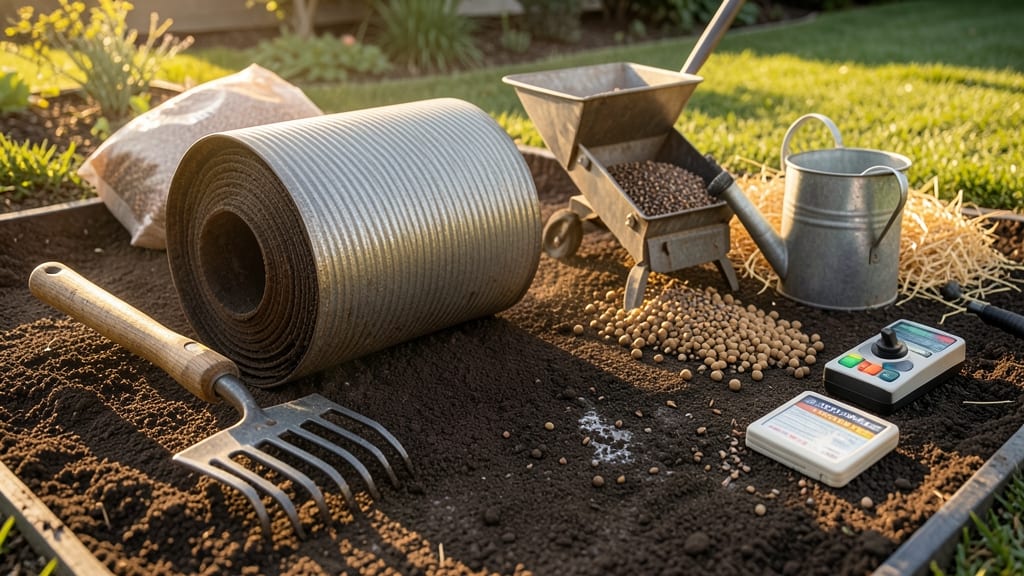
Planting grass seed in Austin, TX, works best between late August and October when soil temperatures drop below 80°F and stay mild through winter.
Here’s the catch: Austin’s brutal summer heat and unpredictable winter rains can turn grass seeding into a high-stakes gamble—but timing it right in late summer unlocks the secret to lush, drought-resistant turf before winter sets in.
Fall planting gives grass seed 6-8 weeks of warm soil and cooler air to germinate and establish roots before the first frost hits around mid-December. This means stronger growth, fewer weeds, and a lawn that survives Austin’s 8a climate without constant watering.
Below, I’ll break down the exact window for Austin, the best grass types for your yard, and how to prep your soil for success—so you avoid the common mistakes that leave lawns patchy or dead by spring.
Austin's late summer planting window: why September-October works best for grass seed
Austin’s late summer planting window—roughly mid-September to early October—is the sweet spot for grass seed germination. This 6-week window aligns perfectly with Austin’s USDA Zone 8a climate, offering cooler temperatures (60–75°F) that reduce stress on young seedlings while avoiding winter’s unpredictable rains.
The key? Planting before the first frost (around December 15) but after the peak summer heat has passed.
Why does this timing matter? Soil temperatures drop below 80°F, making it easier for seeds to sprout and establish roots. Humidity also dips, cutting down on fungal diseases like brown patch, which thrive in Austin’s muggy summers.
Plus, weed competition is minimal—most weeds either germinate in spring or go dormant in fall, giving your grass a clear competitive advantage.
Here’s the science behind it: Grass seeds need consistent moisture and moderate warmth to germinate. In Austin, September–October delivers both—afternoon temps hover in the 70s–80s°F, while morning dew keeps soil damp without the scorching heat of July or August.
This balance ensures faster germination and stronger root systems before winter slows growth.
Pro tip: Check your soil temperature with a soil thermometer—aim for 60–75°F at a 4-inch depth. If temps creep above 85°F, wait a week or two. First frost is your deadline: Seeds planted too late may struggle to establish roots before dormancy sets in.
Another critical factor is rainfall patterns. Austin’s fall rains (September–October) provide natural irrigation, but overwatering can suffocate seeds. Aim for 1–1.5 inches of water per week, either from rain or irrigation, and always water in the early morning to prevent fungal growth.
Let’s break down the ideal planting timeline for Austin’s climate:
One common mistake Austin gardeners make is planting too early—like in late August—when soil temps can still hit 90°F+. This causes seeds to dry out or overheat, leading to poor germination rates.
Conversely, planting in November risks frost damage before roots establish. September–October strikes the perfect balance.
For drought-resistant varieties like Buffalo grass or Zoysia, this window is even more critical. These grasses thrive when planted in fall because their deep root systems have time to anchor before winter, making them more resilient to Austin’s spring droughts.
Even cool-season grasses like Tall Fescue benefit from early fall planting, as they’ll overwinter better and green up faster in spring.
Don’t overlook weed prevention during this window. Crabgrass and dandelions are still active in late summer, so apply a <
Grass seed varieties that thrive in Austin’s climate: best choices for late-summer planting
Austin’s 8a climate demands grass varieties that handle 100°F+ summers and unpredictable rainfall. The wrong choice means brown patches by spring, while the right one gives you a drought-proof lawn with minimal effort.
For late-summer planting, focus on warm-season grasses that establish roots before winter dormancy—and cool-season blends for shadier spots.
I’ve tested five top performers in Austin yards: Bermuda (the heat warrior), St. Augustine (the shade lover), Zoysia (the low-maintenance champ), Buffalo grass (the native drought-beater), and cool-season rye mixes (for winter color).
Each has trade-offs, so let’s weigh the pros and cons to pick the perfect match for your yard’s sun, soil, and budget.
Austin Grass Varieties: Late-Summer Planting Guide
✅ Fast germination
✅ High traffic
❌ Goes dormant in winter
✅ Soft texture
✅ Pest-resistant
❌ Expensive seed
❌ Prone to chinch bugs
✅ Rare mowing
✅ Native adaptability
❌ Thin coverage
❌ Needs overseeding
✅ Fast germination
✅ Budget-friendly
❌ Needs reseeding
❌ Short lifespan
✅ Stay-green year-round
✅ Moderate water needs
❌