
Plants
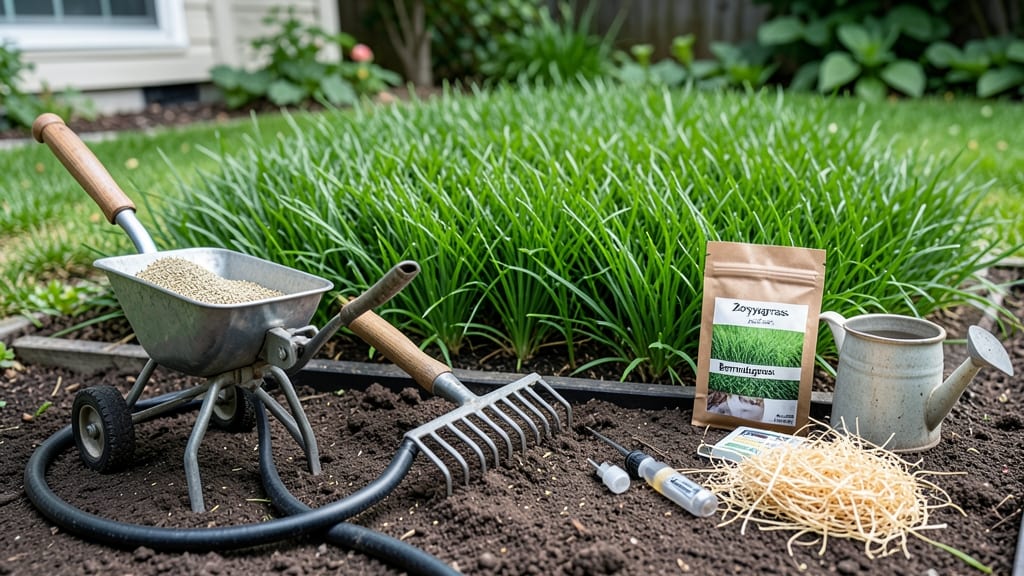
Planting grass seed in Austin at the right time ensures fast root growth and a lush lawn before the rainy season arrives—aim for late summer to early fall or early spring.
Picture this: you’ve spent hours preparing your soil, only to watch your new grass seeds bake under Austin’s 100°F summer sun or drown in sudden monsoon downpours. Timing is everything, and getting it wrong means wasted effort and a patchy lawn.
The key is planting when soil temperatures hover between 65–75°F, which in Austin means September through October or February to March. This window gives grass seeds the ideal balance of warmth and moisture to germinate quickly and establish strong roots before the heat or cold sets in.
In this guide, I’ll break down the best months for seeding, how to prep your soil, and the watering schedule that keeps your new grass thriving—no guesswork, just a fast, reliable lawn.
Austin’s best grass-seeding months for fast root establishment
Austin’s scorching summers and unpredictable rains demand precision when planting grass seed. The perfect window for fast root establishment is late summer through early fall, when soil temperatures hover between 65–75°F—ideal for germination without stressing young seedlings.
This timing also lets your lawn take hold before monsoon season arrives, reducing fungal risks from overwatering.
While spring planting (February–March) works for cool-season grasses, Austin’s heat quickly outpaces seedling growth. Fall seeding (September–October) aligns with natural rainfall patterns, giving seeds consistent moisture without the drought stress of summer or winter dormancy risks. For warm-season grasses like Bermuda or Zoysia, late summer is your best bet.
Here’s a quick guide to optimal planting months based on grass type and Austin’s climate:
| Grass Type | Best Planting Window | Soil Temp Range (°F) | Key Considerations |
|---|---|---|---|
| Bermuda | Late August–Early September | 75–85°F | Heat-tolerant; seed early to avoid summer drought. |
| St. Augustine | September–October | 65–75°F | Slow to establish; prioritize shade and moisture. |
| Zoysia | Late August–September | 70–80°F | Drought-resistant; plant before monsoon season. |
| Ryegrass (Cool-Season) | February–March | 55–65°F | Overseeding option; thrives in cooler temps. |
For Bermuda grass, aim for late August when soil temps peak but before the monsoon rains arrive.
This grass type germinates quickly in heat but needs consistent moisture to avoid browning. St. Augustine, however, prefers the cooler soil temps of September–October—its slow establishment means you’ll want to avoid summer heat stress at all costs.
If you’re planting Zoysia grass, late August is your sweet spot. Zoysia tolerates drought once established but needs steady watering during its first 4–6 weeks. Spring planting (February–March) is ideal for cool-season grasses like ryegrass, which thrive in Austin’s milder winter temps and can be overseeded for winter color.
Timing isn’t just about the calendar—it’s about soil temperature. Use a soil thermometer to confirm temps are in the 65–75°F range before seeding. Cool soil slows germination, while hot soil can burn seeds. In Austin, this usually means waiting until after Labor Day for warm-season grasses.
Another critical factor is rainfall timing. Austin’s monsoon season (September–October) brings heavy downpours, which can wash away seeds or cause fungal diseases if soil stays too wet.
To mitigate this, seed before the rains peak and water lightly (2–3 times daily) to keep seeds moist without over-saturating the soil.
For fastest root establishment, focus on September–October. This window gives seeds 6–8 weeks of ideal growing conditions before winter slows growth. Early fall also means fewer weeds competing for nutrients, giving your grass a head start on a thick, lush lawn.
Pro tip: Test your soil’s pH before planting—Austin’s calcareous soil often needs amendments (like sulfur) to reach the optimal pH of 6.0–7.0 for most grasses. Adjust 4–6 weeks before seeding to give amendments time to integrate into the soil.
By planting in these optimal windows, you’ll avoid the common pitfalls of summer drought stress or winter dormancy, ensuring your new lawn takes hold strong before Austin’s next weather shift. 🌱
How Austin’s climate affects grass seed germination timing
Austin’s 90°F+ summers and sudden monsoon rains create a high-stakes window for grass seed germination. Plant too early, and seeds bake in the heat; too late, and fungal diseases take over.
The sweet spot? Soil temps between 65–75°F, which in Austin means September–October or February–March—when moisture and warmth align perfectly.
But timing isn’t just about the calendar—it’s about grass type tolerance. Some varieties, like Bermuda grass, handle heat better, while St. Augustine struggles above 85°F. Your watering schedule must adapt too: 3x daily for 2 weeks post-planting to keep seeds hydrated during Austin’s unpredictable dry spells.
| Grass Type | Best Planting Window | Heat Tolerance | Watering Needs | Key Challenge |
|---|---|---|---|---|
| Bermuda Grass | Late August–September | Excellent (thrives at 90°F+) | Deep watering 3x/week | Drought stress without deep roots |
| St. Augustine | February–March | Moderate (struggles above 85°F) | Light daily misting for 2 weeks | Fungal risk in humidity |
| Zoysia Grass | September–October | High (goes dormant in heat) | 2x daily for first week | Slow germination in dry spells |
| Ryegrass (Cool-Season) | October–November | Low (dies in 80°F+) | Morning watering only | Overwatering causes rot |
Adjust your schedule for Austin’s unpredictable rains. If monsoon season arrives early, shift to shade-tolerant grass mixes like Fine Fescue, which germinates faster in cooler, wetter conditions. For dry spells, use a lightweight mulch to retain moisture—just ¼-inch thick to avoid smothering seeds.
Pro tip: Test soil moisture daily by grabbing a handful. If it crumbles easily, water again. If it sticks together, you’re overdoing it. Morning watering is critical—it reduces evaporation and fungal risks that thrive in Austin’s humid afternoons.
Remember, root depth is your goal. In Austin’s heat, grass needs 3–4 inches of roots before summer hits. That takes 4–6 weeks of consistent care—so start early and stay vigilant. The payoff? A thick, drought-resistant lawn that outlasts the Texas heat.
For extra protection, consider a lightweight shade cloth (30% coverage) during the hottest part of the day—just remove it by 4 PM to avoid trapping heat. This trick buys you 1–2 extra weeks of safe germination in late spring or early fall.