
Plants
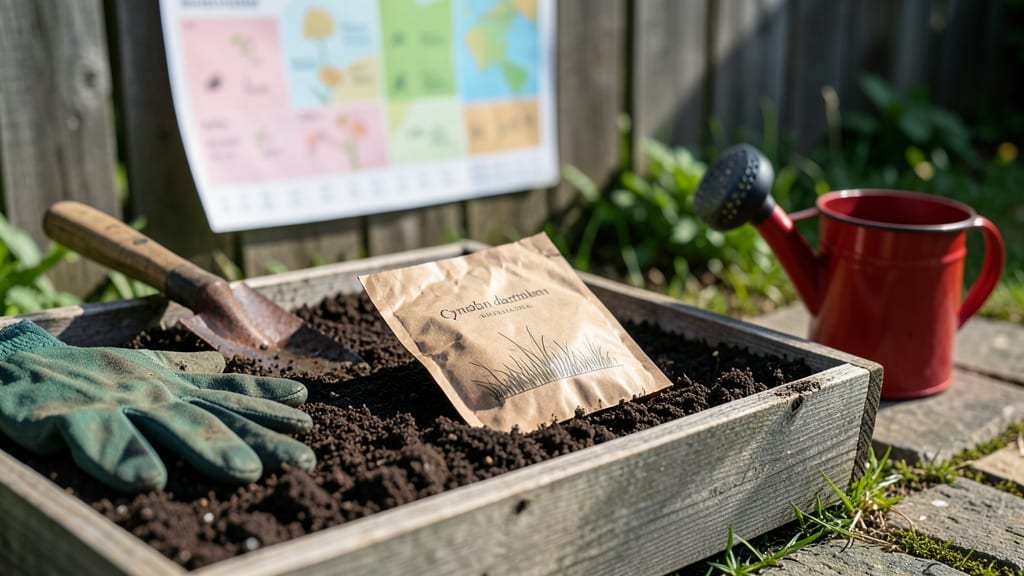
Planting Bermuda seed in Georgia depends on soil warmth and frost-free timing — aim for mid-April to mid-May when temperatures consistently hit 65°F or higher.
Georgia’s scorching summers and unpredictable spring weather make timing your Bermuda grass seeding a critical decision. Plant too early and risk frost damage, too late and miss peak growth season. Mastering the soil warmth triggers and frost-free window can mean the difference between a lush lawn and wasted seed.
Most of Georgia falls in USDA zones 7a-8b, where last frosts typically occur around March 15. Waiting until after this date ensures your seeds aren’t shocked by late cold snaps, but rushing to plant too soon can leave your grass struggling in cooler soil.
In this guide, I’ll break down the exact soil temperature thresholds, regional planting windows, and pro tips to maximize germination. Whether you’re seeding in North Georgia’s cooler microclimates or South Georgia’s earlier springs, you’ll learn how to time it perfectly for a thick, resilient lawn.
Georgia’s ideal soil temperature and warmth triggers for Bermuda seed
Bermuda grass thrives when planted in warm soil, but Georgia’s variable spring temperatures can make timing tricky. The key trigger is consistent soil warmth—your seeds need 60°F+ for 5+ days to germinate reliably. In North Georgia (Zone 7a), this often means waiting until mid-April to May, while South Georgia (Zone 8a) can start as early as late March. Understanding these microclimate differences is critical for success.
Soil temperature isn’t the same as air temperature—even if your thermometer shows 70°F outside, the ground might still be too cold for germination. Bermuda seed prefers 65–75°F soil, with 70°F being ideal.
This warmth jumpstarts enzyme activity in the seed, helping it break dormancy faster. Without it, your seeds may rot or fail to sprout, leading to wasted effort and money.
Testing soil warmth accurately is easier than you think. A soil thermometer ($10–$20 at garden centers) gives precise readings, but if you don’t have one, try the moisture test: Dig a 6-inch hole, fill it with water, and cover it overnight.
If the water’s gone by morning, your soil is warm enough to plant. Another trick? Watch for dandelions blooming—they’re nature’s soil temperature gauge and signal it’s time to seed.
Clay-heavy soils retain warmth longer than sandy soils, so they’re safer for early planting. If your yard has clay, you can seed 1–2 weeks earlier than sandy areas. Conversely, sandy soils heat up faster but also cool down quickly, so wait until you’ve confirmed consistent warmth with your thermometer or moisture test. This adjustment can mean the difference between successful germination and seed loss.
Planting too early risks frost heave, where freezing and thawing cycles push seeds out of the soil, exposing them to drought or birds. Late planting, however, can result in weaker root systems before summer heat sets in.
The sweet spot is planting when soil is warm but not scorching, typically late April to early May for most of Georgia. This timing aligns with peak Bermuda growth and gives seedlings time to establish roots before summer stress.
Here’s a quick soil warmth checklist to avoid common mistakes: ☑️ Use a soil thermometer for accuracy (don’t rely on air temp). ☑️ Wait for 5+ days of 60°F+ soil before planting. ☑️ Adjust for soil type: clay holds warmth longer; sand heats faster. ☑️ Plant after last frost date (check your USDA Zone). ☑️ Avoid seeding if rainfall forecasts show heavy downpours.
Regional microclimates play a huge role in Georgia. For example, Atlanta (Zone 7b) might see 50°F soil in early April, while Savannah (Zone 8a) could hit 65°F by late March. Use local weather data from the NOAA or your county extension office to fine-tune your timing.
Pro tip: Shade cloth can help protect early seedlings from intense afternoon sun while they germinate.
If you’re torn between early and late planting, consider this: Early seeding (March–early April) gives Bermuda a head start but risks frost damage. Late seeding (May–June) avoids frost but may struggle with summer heat stress.
My recommendation? Aim for mid-April to early May—this window balances soil warmth, frost risk, and growth potential for Georgia’s climate.
One final tip: Pre-warm your soil if you’re eager to plant early. Lay down black plastic mulch for 2–3 weeks before seeding to raise soil temperature by 5–10°F.
This trick is especially useful in North Georgia where springs are cooler. Just remember to remove the plastic before planting to avoid seed smothering.
Now that you’ve got the soil warmth triggers down, your next step is preparing the seedbed. Loosen the top 2–3 inches of soil, remove debris, and consider adding compost or sand to improve drainage.
With the right soil temperature and prep, your Bermuda grass will be off to a fast, lush start.