
How To
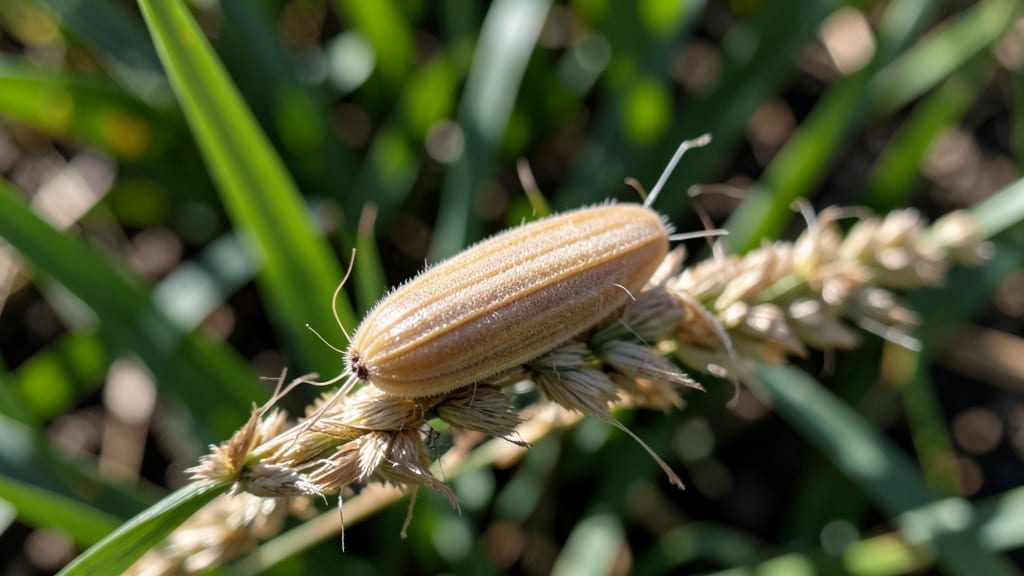
Planting centipede grass seed in Georgia between late spring and early summer unlocks its full potential for a lush, low-maintenance lawn.
Georgia’s humid climate and long growing season make centipede grass a top choice for lawns—but planting it at the wrong time can lead to slow growth or failure.
Timing isn’t just about the calendar; it’s about soil temperature, rainfall patterns, and avoiding summer heat stress. When soil reaches 75–85°F, seeds germinate faster, and roots establish twice as quickly.
Below, I’ll walk you through the exact window for fast germination, how to prep your soil, and what to watch for in Georgia’s heat and humidity.
Optimal planting window for centipede grass seed in Georgia: soil temperature rules
Centipede grass thrives in Georgia’s heat, but planting it at the wrong time can turn your lawn dreams into a slow, patchy disaster. The key to success lies in soil temperature, not just the calendar.
For centipede grass seed, the ideal window is when soil reaches 75–85°F, typically between late May and early June across most of the state.
This warm-season grass needs heat to germinate quickly, but planting too early—when soil is still cool—delays growth and invites weeds. Conversely, waiting until July risks heat stress and drought conditions, especially in Georgia’s inland regions like the Piedmont. Coastal areas may have a slightly earlier window due to milder temperatures.
Here’s the golden rule: Wait until the soil is consistently warm at a depth of 2–3 inches. Use a soil thermometer to check—if it’s below 75°F, hold off. This simple tool prevents costly mistakes and ensures your centipede grass establishes strong roots before summer’s peak heat arrives.
Georgia’s microclimates create distinct planting windows, so don’t assume one size fits all. For example, coastal areas like Savannah can start as early as late April when soil hits 75°F, while the Blue Ridge Mountains may need to wait until June or July for stable warmth.
Always check local frost dates—planting too soon after the last frost (typically mid-March in coastal areas) risks cold snaps.
If you’re unsure about your soil’s readiness, use the back-of-the-hand test: Press your hand into the soil for 5 seconds. If it feels too cool to linger comfortably, wait another week.
This simple trick aligns with the 75–85°F range centipede grass needs to thrive. Pair it with a soil thermometer for precision, especially in transitional zones like the Piedmont.
Another critical factor is rainfall timing. Planting during Georgia’s dry spells (common in late spring) requires supplemental watering, while planting before heavy summer rains can lead to seed washout.
Aim for a 5–7 day forecast with light, consistent rain or plan to irrigate gently after sowing. A sprinkler with a fine mist setting keeps seeds moist without disturbing them.
For best results, I recommend planting centipede grass seed in early June across most of Georgia. This timing balances soil warmth, reduced drought risk, and avoids the peak of summer’s brutal heat.
If you’re in a transitional zone, err on the side of waiting—your lawn’s long-term health depends on strong initial establishment.
Pro tip: Mark your calendar for June 10–20 as the sweet spot for most Georgians. By then, soil temperatures are ideal, and you’ve dodged the risk of early-season weeds or late frosts.
Pair this with proper seedbed preparation (aeration, pH adjustment to 6.0–6.5), and you’ll be well on your way to a lush, low-maintenance lawn.
Remember, centipede grass is drought-tolerant once established, but seedlings need consistent moisture. If you plant in late May, be prepared to water daily for the first 2 weeks. Use a lightweight mulch like straw to retain moisture and shield seeds from intense afternoon sun.
Pre-planting preparation checklist: soil, seed, and weather readiness
Before planting centipede grass seed in Georgia, proper preparation is key to avoiding common pitfalls like poor germination or weed competition. Start by testing your soil pH—centipede grass thrives in slightly acidic conditions between 6.0–6.5.
If your soil is too alkaline, amend it with sulfur or peat moss 4–6 weeks before planting.
Next, focus on aerating your lawn to loosen compacted soil. Use a core aerator to create ¼-inch holes every 3–4 inches, which helps seeds make direct contact with moisture and nutrients. This step is especially critical in Georgia’s clay-heavy soils, which can suffocate young roots.
⚠️ WARNING: Avoid Planting in These Conditions
Moisture management is another critical factor. Water your lawn deeply 24 hours before planting to create an ideal seedbed. Use a rain gauge to ensure you’re applying ½–¾ inch of water—this mimics natural rainfall and prevents seeds from drying out too quickly.
For weather readiness, sign up for local alerts from the National Weather Service or use apps like Weather Underground to track humidity and heat indices. Centipede grass struggles in 90°F+ temperatures, so avoid planting if a heatwave is forecasted within 10 days.
Finally, clear the area of debris and existing weeds using a broadfork or manual weeder. Centipede grass spreads slowly at first, so minimizing competition gives your new lawn a head start. Mulch lightly with straw after planting to retain moisture and protect seeds from bird damage.
With these steps, your centipede grass will establish 2–3 times faster than in unprepared soil—leading to a thicker, greener lawn by summer’s end. 🌱