
Plants
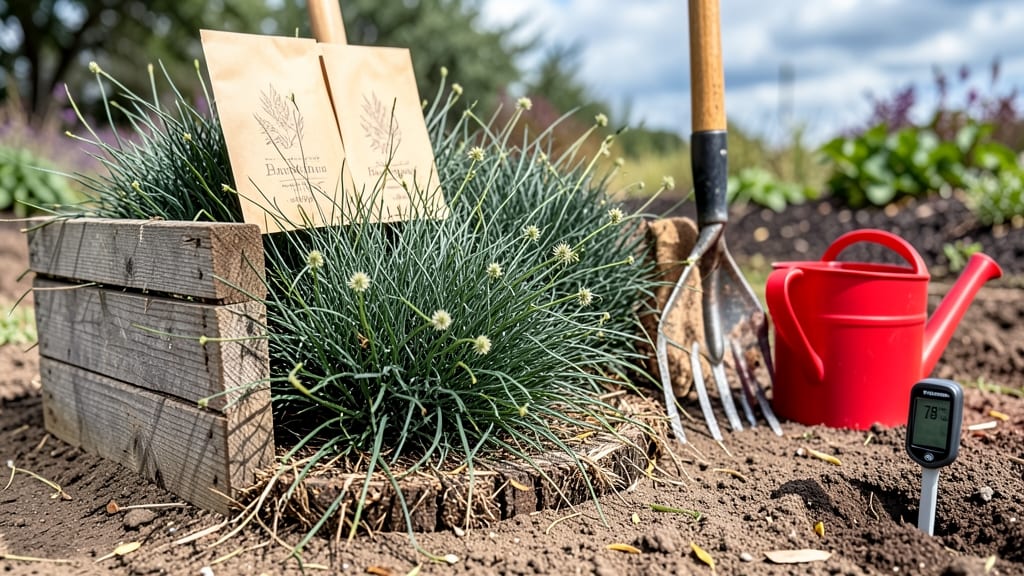
Planting Bermuda grass seed in North Texas between late April and early June ensures fast germination and a thick, weed-resistant lawn before summer heat sets in.
North Texas homeowners know Bermuda grass transforms a lawn into a lush, drought-resistant green carpet—but planting it at the wrong time means slow growth, weed invasion, and wasted seed. Timing is everything, and these exact dates will ensure your grass thrives.
Why does this window matter? Soil temperatures below 65°F slow germination, while planting too late risks summer drought stress. In Zone 8a, late spring gives seeds 6-8 weeks to establish before peak heat arrives.
Below, I’ll walk you through the ideal planting schedule, soil prep tricks for North Texas clay, and how to keep your lawn fast-growing and healthy once it’s down.
Best planting windows for Bermuda grass in North Texas (with exact dates)
Planting Bermuda grass seed in North Texas requires precision timing to avoid frost damage and weed competition. The two ideal windows—late spring and late summer—align with soil temperatures and rainfall patterns unique to Dallas, Fort Worth, and Waco.
Missing these windows means slower germination and weaker grass establishment.
Historical data shows frost risk drops after March 15, but soil temperatures must reach 65°F+ for seeds to sprout. In North Texas, this typically happens by mid-April in most years. Late summer planting (after August 15) capitalizes on fall rains and cooler nights, reducing stress on young seedlings.
Here’s the critical comparison between the two planting windows, including exact dates and regional considerations:
For Dallas and Fort Worth, late spring planting (April 15–May 15) is ideal because the soil warms quickly and rainfall increases in May. However, Waco’s hotter summers mean late summer planting (August 15–September 15) often yields better results due to cooler nights and consistent rainfall.
If you miss these windows, your Bermuda grass seed may struggle with weed competition or heat stress. For example, planting in June risks dormancy before seeds germinate, while October planting often faces early frost before roots establish.
Use a soil thermometer to confirm temperatures before planting. In North Texas, soil temps below 65°F delay germination by 2–3 weeks. Pair this with drip irrigation to maintain 1 inch of water weekly during establishment.
Pro tip: Apply a pre-emergent herbicide 2 weeks before planting to suppress crabgrass and dandelions. This is especially critical in Fort Worth, where weed pressure peaks in May.
Once planted, Bermuda grass spreads aggressively in full sun. In shaded areas (less than 6 hours of sun), growth slows significantly, and weed invasion becomes more likely. Test your lawn’s sunlight exposure before committing to a planting date.
Remember, North Texas microclimates vary. Check local USDA Zone 8a frost dates annually—they can shift by 1–2 weeks due to climate trends. For 2024, aim for April 22–May 10 for late spring or August 20–September 5 for late summer.
With the right timing, your Bermuda grass will outcompete weeds and establish a dense, drought-resistant lawn by early summer. Start planning now to avoid last-minute rushes! 🌱
How to prepare North Texas soil for Bermuda grass seed (step-by-step guide)
North Texas clay soil is heavy, compact, and slow to drain—perfect conditions for Bermuda grass failure if not prepped correctly. The key? Breaking up that dense clay, adjusting pH levels, and eliminating weeds before seeding.
Without these steps, your seeds will struggle to germinate, leaving bare patches for weeds to invade.
Bermuda grass thrives in pH 6.0–7.5, but North Texas soil often tests higher or lower. A simple soil test kit (available at local nurseries) will reveal your exact numbers.
If your soil is too acidic (<6.0), add lime; if alkaline (>7.5), mix in sulfur or peat moss 4–6 weeks before planting.
Weeds are Bermuda grass’s biggest enemy, especially crabgrass and dandelions. Apply a pre-emergent herbicide like pendimethalin 2 weeks before seeding. This stops weed seeds from sprouting while allowing your Bermuda grass to germinate. Never use post-emergent herbicides—they’ll kill your new grass too.
- 1 Test soil pH (aim for 6.0–7.5) and adjust with lime or sulfur 4–6 weeks before planting.
- 2 Till the soil 4–6 inches deep to loosen clay and improve drainage. Rent a rototiller for best results.
- 3 Apply pre-emergent herbicide 2 weeks before seeding to block weeds. Choose a product labeled for new grass seed.
- 4 Spread 1–2 inches of compost over the tilled area to improve soil structure and add organic matter.
- 5 Rake the soil to create a fine, level seedbed with no clumps. This ensures even seed-to-soil contact for germination.
After tilling, spread 1–2 inches of compost over the area to improve drainage and add nutrients. North Texas clay benefits from organic matter like compost or aged manure, which helps break up compaction over time. Work it into the top 2–3 inches of soil with a rake or hoe.
Once your soil is prepped, level the surface with a rake to eliminate low spots where water pools. Bermuda grass seeds are tiny, so a smooth, even seedbed ensures uniform germination. If your lawn has slopes, create small ridges to slow water runoff and keep seeds in place.
Finally, lightly water the soil to settle dust before seeding. Aim for moist but not soggy conditions—this helps seeds make immediate contact with the soil. Overwatering now can wash seeds away or create crusting that blocks germination.
Keep the soil consistently moist (not wet) for the first 2–3 weeks after planting.