
Plants
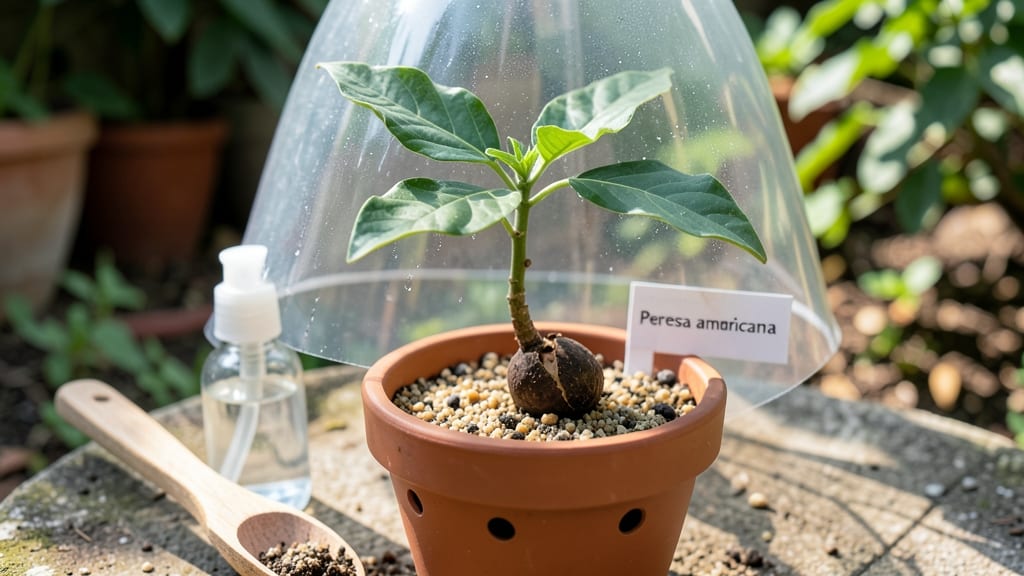
Planting an avocado seed in soil at the right time makes all the difference between a thriving 🥑 sapling and a sad, moldy pit.
Did you know your avocado pit could grow into a thriving houseplant—but timing everything right is the secret to avoiding rot and ensuring strong sprouts?
In Zone 6, the best window is spring (March–April), when soil temperatures hit 65–85°F and frost risks fade. Warmer zones (like 9b–10a) can plant year-round, but even there, summer’s heat demands extra care. Skip the urge to rush—planting too early in cold climates guarantees failure.
Below, I’ll walk you through the exact steps to prep your seed, pick the perfect soil, and avoid the three biggest mistakes that kill germination before it starts.
Optimal seasons and climate conditions for planting avocado seeds
Timing is everything when planting an avocado seed—whether you're growing it indoors or outdoors. Avocados thrive in warm climates with consistent temperatures between 65-85°F, making spring and early summer the ideal planting windows for most US growing zones.
In colder regions like Zone 6, start seeds indoors in March or April to avoid frost damage, while Zone 9b+ gardeners can plant year-round in frost-free conditions.
For temperate climates, aim to plant seeds 4-6 weeks before the last frost (typically March-April in Zone 6). This gives seedlings time to establish roots before outdoor temperatures stabilize.
In tropical climates, you can plant anytime, but spring and fall offer the best balance of humidity and warmth for germination. Avoid planting during extreme heat or cold snaps, as these conditions stress young seedlings.
Here’s how to adapt your planting strategy based on your climate:
| Climate Type | Best Planting Season | Ideal Temperature Range | Humidity Needs | US Growing Zones |
|---|---|---|---|---|
| Temperate | Spring (March-April) | 65-75°F (day), 55-60°F (night) | Moderate (40-60%) | Zones 6-8 |
| Tropical | Year-round (peak: spring/fall) | 75-85°F (consistent) | High (60-80%) | Zones 9b-11 |
| Indoor (Houseplant) | Year-round (best: spring) | 68-75°F (day), 60-65°F (night) | Moderate (30-50%) | All zones (container-grown) |
In Zone 6, where frost is a risk, start seeds indoors in March and transplant outdoors after the last frost (around April 15). Use a south-facing window or grow light to provide 6+ hours of sunlight daily during early growth.
For Zone 9b+, outdoor planting is safe year-round, but spring and fall offer the best conditions for germination due to balanced humidity and temperatures.
Humidity plays a critical role in avocado seed germination. In dry climates, maintain humidity levels above 40% by misting seedlings daily or using a humidity dome. In humid climates, ensure proper air circulation to prevent fungal issues like root rot.
A simple trick is to place a tray of water near your seedlings to boost humidity naturally.
Here’s a month-by-month planting calendar for US growing zones to guide your timing:
| Month | Zone 6 (Temperate) | Zone 9b+ (Tropical) | Indoor (All Zones) | ||||||||||||||||||||||||
|---|---|---|---|---|---|---|---|---|---|---|---|---|---|---|---|---|---|---|---|---|---|---|---|---|---|---|---|
| January | Indoor start (slow growth) | Outdoor planting (safe) | Year-round (best: spring) | ||||||||||||||||||||||||
| February | Indoor start (pre-frost) | Outdoor planting (ideal) | Year-round (best: spring) | ||||||||||||||||||||||||
| March | Outdoor transplant (post-frost) |
Step-by-step pre-planting preparation for faster germinationBefore planting your avocado seed, preparation is key to avoiding rot and encouraging strong sprouts. Start by selecting a fresh, undamaged pit—older seeds germinate slower or not at all. Rinse it thoroughly to remove any flesh residue, which can attract mold. The right prep turns a simple pit into a thriving seedling in just 2-6 weeks. Your first choice is whether to plant the whole pit or a cut pit. Cutting the pit (removing the top) exposes the seed to air and moisture, speeding up germination. However, whole pits can work too if soaked properly. Both methods require well-draining soil and consistent moisture to prevent rot.
For soaking methods, water is the simplest but hydrogen peroxide (3%) speeds up germination while preventing mold. Fill a glass with room-temperature water or peroxide, submerge the pit (cut-side down if sliced), and change the liquid every 24 hours. This removes toxins and softens the seed coat. Next, choose your soil mix. A blend of well-draining potting soil and perlite/sand (50/50 ratio) prevents root rot. Avoid garden soil—it compacts and suffocates roots. Use a container with drainage holes and at least 3 inches of depth to accommodate root growth. After planting, place your container in a bright, warm spot (65-85°F) with indirect light. Avoid direct sunlight until sprouts appear—too much heat can dry out the seed. Keep the soil consistently moist but never waterlogged, as excess moisture drowns seeds. With these steps, your avocado seed will sprout in 2-6 weeks, setting the stage for a healthy houseplant. Patience and the right prep turn a simple pit into a living tree—no green thumb required! 🌱 |