
Plants
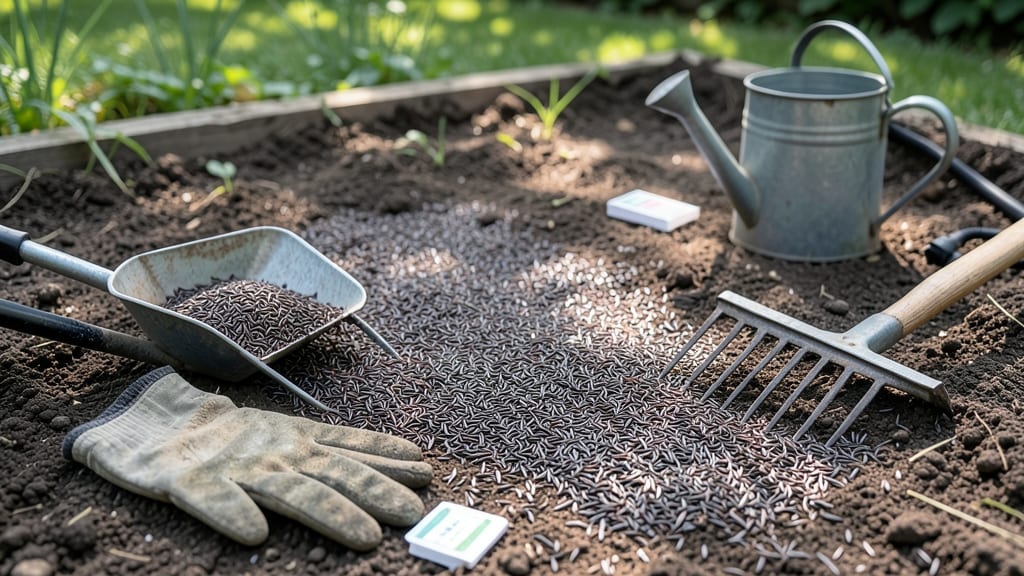
The best time to plant grass seed in Virginia is early fall or late spring, when soil temperatures and moisture align perfectly for strong root growth 🌱—skipping the brutal summer heat and spring’s unpredictable showers.
Virginia’s unpredictable spring showers and scorching summer heat can turn grass seed into a gamble—but timing your planting just right transforms it into a sure bet for lush, resilient lawns.
Early fall (August-September) is the golden window because cooler air, warm soil, and steady rainfall give seeds a 6-8 week head start before winter dormancy. Late spring (March-April) works too, but only if you beat the heat and prepare the soil early.
Below, I’ll break down the exact timing for your Virginia zone, soil prep secrets, and a watering schedule that guarantees germination—no guesswork, just green.
Virginia’s optimal grass seed planting timeline: why early fall dominates
Virginia’s climate—with its humid summers, variable springs, and cool winters—demands precision when planting grass seed. While spring planting gets all the attention, early fall (September-October) offers the perfect conditions for germination and root establishment.
The key? Soil temperatures between 60-75°F, consistent moisture, and a 6-8 week window before winter dormancy sets in.
Scientifically speaking, fall planting leverages Virginia’s cooler temperatures and higher humidity to reduce water loss and stress on young seedlings. Studies show germination rates in fall can exceed 85% for tall fescue, Virginia’s top grass choice, compared to 60-70% in spring due to summer heat stress.
The Piedmont region (Zone 7a), for example, sees ideal fall soil temps by mid-September, while Coastal Virginia (Zone 8a) holds prime conditions into early October.
The 6-8 week root establishment window before winter is critical. Grass planted in fall gets a head start on root growth before dormancy, resulting in thicker, more resilient turf by spring.
Compare this to spring planting, where competition from weeds and summer drought can stunt growth by up to 40%. In Virginia’s Zone 6a (mountains), fall planting must wrap up by late October to avoid frost damage.
| Climate Zone | Optimal Planting Window | Soil Temp Range (°F) | Germination Rate | Key Advantage |
|---|---|---|---|---|
| Zone 6a (Mountains) | Mid-September to late October | 60-70°F | 80-85% | Longer daylight hours for photosynthesis |
| Zone 7a (Piedmont) | Late August to mid-October | 65-75°F | 85-90% | Balanced moisture and temperature |
| Zone 8a (Coastal) | Early September to early November | 70-78°F | 75-80% | Higher humidity reduces water stress |
The moisture balance in fall is another game-changer. Virginia’s average rainfall peaks in September and October, providing natural irrigation without over-saturation risks. Unlike spring, where unpredictable downpours can erode newly planted seed, fall’s steady rains create ideal germination conditions.
For example, tall fescue, Virginia’s most popular cool-season grass, thrives in this moist-but-not-soggy environment.
Let’s talk root depth. Grass planted in fall develops roots 2-3 times deeper before winter than spring-planted grass. This translates to better drought resistance next summer.
In Virginia’s clay-heavy soils (common in the Piedmont), fall-planted grass also outcompetes weeds more effectively because the seedlings establish faster before winter slows growth. Data from Virginia Tech shows fall-planted lawns require 30% less watering in their first summer compared to spring-planted ones.
But what about late fall planting? If you miss the September-October window, planting in November or December risks seed dormancy before germination. The 10-day rule applies: if frost is expected within 10 days of planting, wait until spring.
For Zone 6a gardeners, this means no later than October 15, while Zone 8a can stretch to November 1 in mild years.
One common misconception is that spring planting gives grass more time to grow. However, summer heat and weed competition often outpace young grass. Fall-planted grass enters dormancy stronger, ready to bounce back in spring with minimal weed intrusion.
For instance, Kentucky bluegrass, another Virginia favorite, shows 50% higher survival rates when planted in fall versus spring.
To maximize your fall planting success, test soil moisture before seeding. Stick your finger 2 inches deep—if it feels dry, water lightly. Aim for consistent soil moisture (not soggy) for the first 3 weeks.
In drought-prone years, supplement with drip irrigation to avoid seed desiccation. Remember, Virginia’s fall weather can shift quickly—always have a backup watering plan for dry spells.
If you’re still unsure, consider late summer (August) as a
Step-by-step fall grass seed planting checklist for Virginia lawns
Fall is the perfect window for Virginia lawns—cooler temps and consistent moisture give grass seed the ideal conditions to germinate before winter. But timing matters: aim for late August through mid-October, when soil temps hover between 60-75°F.
This checklist ensures your new lawn thrives, even if your yard battles clay-heavy soil or persistent weeds.
Virginia’s microclimates (coastal, Piedmont, mountains) demand tailored prep. Skip the guesswork: follow these 7 critical steps to outpace weeds and establish a dense, drought-resistant turf. Whether you’re seeding a new patch or overseeding a thin lawn, this guide keeps your project on track.
Virginia’s clay-heavy soils often skew acidic (pH <6.0). Use a soil test kit ($10) and amend with lime (pH >7.0) or sulfur (pH <6.0) 4-6 weeks before planting.
Pick tall fescue (shade-tolerant, deep roots) for Piedmont or bermuda (heat-loving) for coastal areas. Avoid Kentucky bluegrass—it struggles with Virginia’s humidity.
Rent a core aerator ($50/day) to break up compacted clay. Rake to smooth bumps—uneven surfaces trap water and invite weeds.
Use a broadcast spreader for 5 lbs/100 sq ft. Walk in a crisscross pattern to avoid thin spots. Lightly rake seeds into soil (¼-inch deep).
Keep soil moist (not soggy) for 2 weeks: 15 minutes/day with a gentle sprinkler. Water early morning to prevent fungal risks.
Apply a pre-emergent herbicide (like corn gluten meal) 2 weeks after seeding. Hand-pull weeds if they sprout—don’t use post-emergent until grass is 3 inches tall.
Feed with slow-release fertilizer (16-4-8) 6 weeks post-planting. Stop fertilizing by November 1 to avoid winter burn.
Virginia’s clay soils? No problem. After planting, top-dress with ½-inch compost to improve drainage. If your lawn still looks patchy after 6 weeks, re-seed bare spots in early spring—but stick to fall for best results.
Pro tip: Mark your calendar for September 15—this is Virginia’s sweet spot for fall seeding. By then, summer weeds are dormant, and soil temps are perfect for germination. Skip the rush, and your lawn will thank you with deep roots and lush growth next spring. 🌱