
Plants
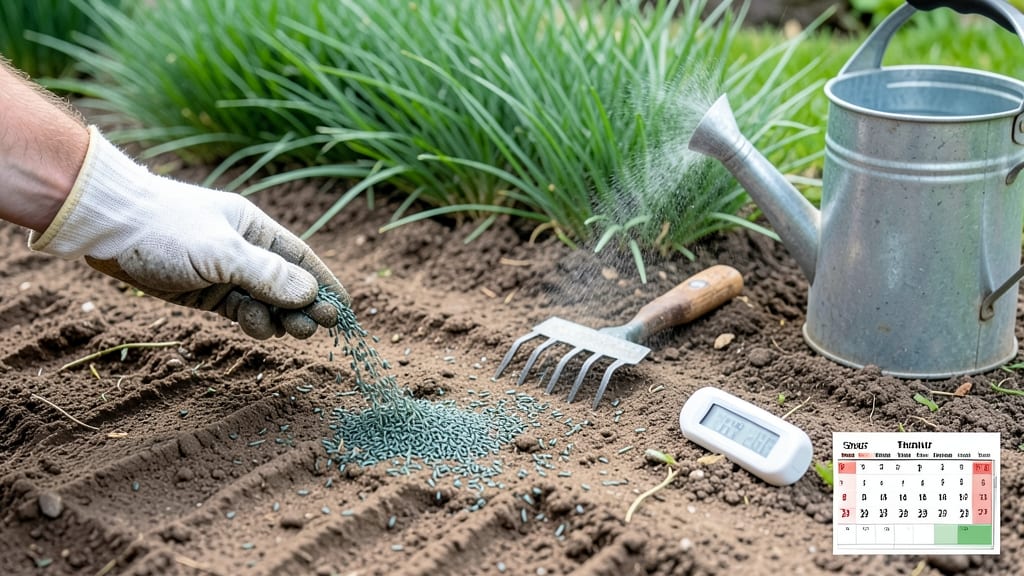
Planting grass seed in Portland, Oregon, works best in late summer when soil stays warm but nights cool down—giving roots time to anchor before winter.
If you’ve ever watched your lawn struggle through Portland’s damp winters or bake under summer sun, timing is the difference between a thriving lawn and a patchy mess.
The key? Planting between mid-August and mid-September, when rain keeps seeds moist without drowning them, and soil temps stay ideal for germination.
Portland’s 8a climate means frost can sneak in early, but late summer gives grass a head start. Cool-season varieties like fescue or Kentucky bluegrass love this window—they’ll grow strong roots before the first chill, then wake up ready to roll in spring.
No more waiting for spring planting to risk summer drought or fall frost.
Below, I’ll walk you through the exact steps: soil prep, seed selection, and care tips tailored to Portland’s microclimates. Skip the guesswork and get a lawn that’s green year-round, not just in summer.
Best late summer planting window in Portland Oregon for grass seed success
Portland’s late summer offers the perfect balance of cooling temperatures and consistent rainfall—ideal conditions for grass seed germination. While many gardeners focus on spring planting, the August 15 to September 15 window gives seeds time to establish roots before winter dormancy.
This timing avoids the heat stress of summer while leveraging Portland’s mild autumn weather.
The USDA Zone 8a climate in Portland means soil temperatures drop to 50°F–65°F by late August, creating an optimal range for cool-season grasses like Kentucky Bluegrass and Fescue. These varieties thrive when planted in fall, as cooler nights reduce evaporation and fungal risks compared to summer heat.
Why late summer? Portland’s September rainfall averages 1.5 inches/month, providing natural moisture without over-saturating the soil. This reduces the need for frequent irrigation while ensuring seeds stay hydrated. Additionally, shorter daylight hours in September slow grass growth, allowing roots to penetrate deeper before winter.
However, timing is critical—planting too early (before August 15) risks drought stress as summer heat lingers, while planting too late (after September 15) exposes seeds to early frost risks. Portland’s first frost typically arrives around November 15, so seeds need 6–8 weeks of growth before dormancy.
Portland’s microclimates add another layer of complexity. Urban areas like downtown may experience heat islands, delaying soil cooling, while higher elevations (e.g., West Hills) can see earlier frosts. Adjust your planting date by 1–2 weeks if your yard sits in a shadier spot or warmer microclimate.
For example, shade-tolerant varieties like Fine Fescue can handle cooler, slower-growing conditions better.
To test if your soil is ready, use the finger test: Insert your finger 2–3 inches deep. If the soil feels cool but not cold (like a damp sponge), it’s ideal for planting. Soil thermometers are also helpful—aim for 55°F–65°F at a 2-inch depth.
If temperatures exceed 70°F, delay planting until nights cool down.
For early planting (before August 15), prioritize shade areas or use shade cloth to protect seeds from intense afternoon sun. Increase watering frequency to daily light misting until soil temps drop.
Conversely, if you must plant late (after September 15), choose fast-germinating varieties like Perennial Ryegrass and mulch heavily with straw to insulate seeds from temperature swings.
Once seeds are in the ground, consistent moisture is key. Portland’s drizzle-heavy weather can create uneven watering, so use a lightweight sprinkler or soaker hose to deliver ¼ inch of water daily for the first 2 weeks.
Avoid overwatering, which can drown seeds or cause soil compaction. After germination, reduce to 2–3 times per week to encourage deep root growth.
By planting between August 15 and September 15, you’ll give your grass 6–8 weeks of ideal conditions to establish roots before winter. This timing ensures a lush, resilient lawn that outperforms spring plantings by avoiding summer heat stress and early frost risks.
With the right preparation, your Portland lawn will be the green envy of the neighborhood by spring.
How Portland’s climate affects grass seed germination: rain, heat, and frost risks
Portland’s cool, wet climate creates a tricky balance for grass seed germination. The city’s consistent rainfall and mild temperatures in late summer make it ideal for seeding, but overcast skies and sudden temperature swings can derail success if you’re not prepared.
Understanding how these factors interact helps you avoid common pitfalls like seed washout or poor root development before winter sets in.
During late summer (August–September), Portland’s cooler nighttime temps (50–65°F) reduce heat stress on young seedlings, while frequent drizzle keeps soil moist without the risk of overwatering that plagues spring plantings.
However, soil preparation becomes critical—compacted or poorly amended soil can trap excess moisture, leading to fungal diseases like Pythium, which thrives in soggy conditions.
⚠️ callout warning ⚠️
- Overwatering: Portland’s drizzle-heavy late summer can drown seeds if soil isn’t well-draining. Test soil moisture—if it stays soggy 48+ hours after rain, seeds will rot.
- Under-prepped soil: Compacted clay (common in Portland) blocks oxygen, suffocating roots. Loosen 4–6 inches deep and mix in compost to improve aeration.
- Early frost risk: September frosts can hit 1040 ft elevation earlier. Monitor forecasts and cover seeds with straw if nights dip below 40°F.
🌱 Pro Tip: Use a soil thermometer—ideal germination temps are 50–65°F. If soil runs cooler, delay planting until temps stabilize.
To combat Portland’s moisture challenges, focus on soil amendments like perlite or sand to improve drainage, while mulching with straw (not wood chips) retains moisture without smothering seeds. Cool-season grasses like Kentucky Bluegrass and Fescue thrive in these conditions, but avoid warm-season varieties (e.g., Bermuda grass), which struggle in Portland’s cool, wet winters.
One of the biggest mistakes I’ve seen is skipping soil tests before seeding. Portland’s acidic soils (pH often 5.5–6.5) can stunt germination. Adjust pH to 6.0–7.0 with lime if needed, and avoid heavy fertilizers during planting—they can burn tender roots.
Instead, use a starter fertilizer with low nitrogen (e.g., 5-10-10) to encourage root growth.
Watch for warning signs like yellowing seedlings (overwatering or fungal issues) or slow germination (underwatering or cool soil). If your lawn feels spongy underfoot, it’s a sign of poor drainage—amend immediately. Portland’s microclimates also vary by neighborhood: Hillsdale stays cooler longer, while St. Johns can dry out faster.
Adjust watering accordingly.
With the right prep, late summer seeding gives grass roots 6–8 weeks to establish before winter. This head start means faster spring recovery and fewer bare patches when snow melts. The key? Balancing moisture, soil health, and timing—Portland’s climate rewards patience, but rushes lead to failure.