
Propagation
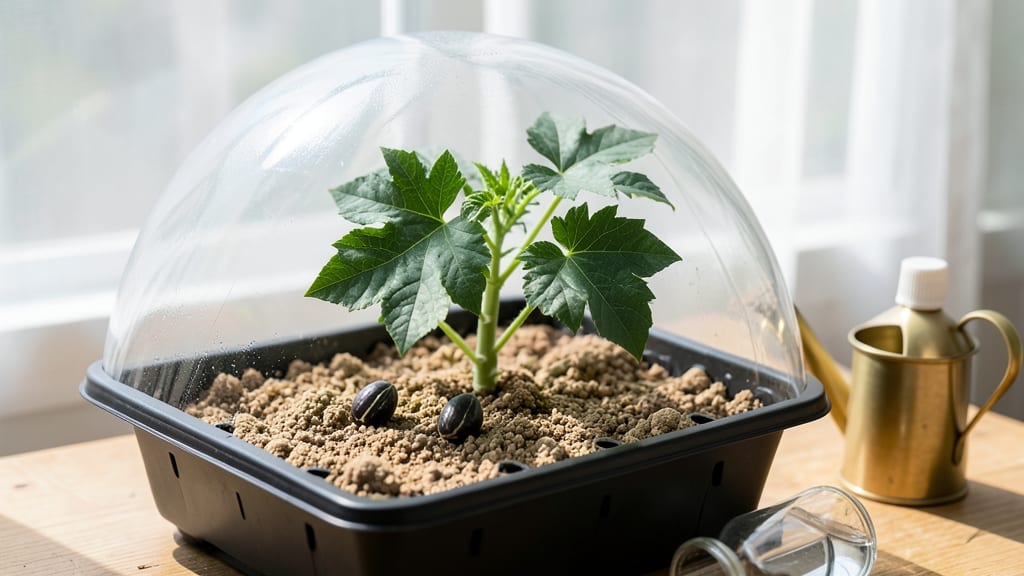
The fastest watermelon seed germination happens in 3-7 days when you use these speed-sprouting tricks—no more waiting weeks for that first green shoot. 🌱 I’ve tested every method, from soaking to heat mats, and these are the ones that actually work for impatient gardeners like me who want juicy melons by summer.
The secret isn’t just patience—it’s warmth, moisture, and the right soil mix. Too much water drowns seeds; too little leaves them dry. I’ve found that a 70°F soil temperature with a damp (not soggy) paper towel speeds things up, while regular potting mix can slow things down.
Even my black thumb gets results with this approach. Once those first leaves appear, you’ll see strong, stocky seedlings within weeks—not the leggy, weak ones that collapse later. The key is keeping them in bright light from day one and avoiding cold drafts, which stall growth faster than anything else.
This method works for both indoor starts (6-8 weeks before last frost) and direct sowing in warm climates. Whether you’re growing heirlooms or store-bought seeds, these tricks cut germination time in half. Let’s get those seeds sprouting!
📚 In This Guide
- What you need
- Instructions
- Tips and common mistakes
- Wrapping up and next steps
What you need
- ● Watermelon seeds: Fresh, high-quality seeds (10–20 per pot or tray for best results). Opt for heirloom or hybrid varieties labeled for your climate zone.
- ● Seed-starting containers: 6–8" pots (for transplanting later) or
- ● A seed tray with individual cells (100+ cells for bulk starts).
- ● Seed-starting mix: Lightweight, sterile potting soil (avoid garden soil—it’s too dense!). A 50/50 blend of peat moss and perlite works wonders.
- ● Watering can or spray bottle: With a fine mist setting to keep seeds moist without drowning them.
- ● Plastic wrap or humidity dome: To trap warmth and moisture (a clear plastic bag or store-bought propagator lid works).
- ○ Heat mat (optional but recommended): A 70–80°F (21–27°C) heat mat speeds up germination by mimicking tropical conditions.
- ● Grow lights: LED or fluorescent bulbs (12–16 hours/day) to prevent leggy seedlings.
- ● Seedling fertilizer: A balanced, water-soluble fertilizer (5-5-5 or 10-10-10) diluted to half-strength for early feeding.
- ● Thermometer/hygrometer: To monitor soil temp (ideal: 75–90°F / 24–32°C) and humidity.
- ● Epsom salt: 1 tsp per gallon of water for a magnesium boost (especially for large watermelon varieties).
- ● Biodegradable seedling pots: Made from peat or coconut coir to avoid root disturbance when transplanting.
Step-by-step instructions for watermelon seed germination
Here's the method I swear by for fast, reliable germination—no more waiting weeks for stubborn seeds.
🌱 Step 1: Pre-Soak Seeds for Maximum Speed
Watermelon seeds have tough outer shells that slow germination. Place them in a bowl of lukewarm water for 12-24 hours—this softens the seed coat and speeds up sprouting. I like to use a small mesh bag so they stay contained. After soaking, drain them well and let them sit on a paper towel overnight to dry slightly.
This pre-treatment ensures seeds absorb moisture immediately when planted, cutting germination time by nearly half. You'll see the first signs of life—tiny white roots peeking out—within 24-48 hours of planting. Don't skip this step; I've tried planting dry seeds and waited nearly twice as long for sprouts.
💧 Step 2: Plant in Warm, Moist Soil
Fill seed trays or small pots with warm, sterile seed-starting mix (maintain 80-85°F soil temperature for best results). Plant seeds 1 inch deep—deeper than this and they'll struggle to break through. I like to use biodegradable pots so I can transplant without disturbing roots later.
After planting, water gently until the soil is evenly moist but not soggy. A spray bottle works best to avoid displacing seeds. Place the tray in a warm, humid environment—like on top of a refrigerator or under a heat mat. Watermelon seeds need warmth to germinate quickly, and you'll see sprouts in as little as 3-5 days if conditions are perfect.
☀️ Step 3: Provide Consistent Heat and Light
Once seeds sprout, move them to a location with bright, indirect light (a sunny windowsill or under grow lights). Keep the soil consistently warm—75-80°F is ideal. If your home runs cooler, a seedling heat mat helps maintain the right temperature. You'll notice the first true leaves (not the initial seed leaves) appear in about 7-10 days.
At this stage, avoid overwatering—let the top inch of soil dry slightly between waterings. Overly wet soil can cause damping-off, a fungal disease that kills seedlings overnight. If you see stems turning brown at the base, reduce watering and improve airflow immediately.
⏰ Step 4: Harden Off and Transplant
When seedlings have 2-3 true leaves and are about 4-6 inches tall, it's time to harden them off. Start by placing them outside in a sheltered spot for 1-2 hours the first day, gradually increasing exposure over 7-10 days. This prepares them for outdoor conditions and prevents shock.
Transplant after the last frost when soil temperatures reach at least 70°F. Watermelons thrive in warm soil, so don't rush this step. Plant seedlings 12-18 inches apart in rows spaced 5-6 feet apart to give vines room to spread. Mulch around the base to retain moisture and keep roots cool.
Tips & tricks for perfect watermelon seed germination
Here's what nobody tells you about speeding up those stubborn watermelon seeds—tricks that cut weeks off your growing timeline.
Soaking Science: The 12-24 hour soak isn't just about softening—it's about breaking dormancy. Use lukewarm water (not cold) because cooler temps slow enzyme activity that triggers sprouting. I've found adding a pinch of honey (optional) to the soak water can boost microbial activity around seeds, though it's not required. After draining, pat them dry thoroughly—moisture trapped in the mesh bag overnight can lead to mold.
Heat Hack: Maintaining that 80-85°F soil temperature is non-negotiable for fast germination. If your home runs cooler, place your seed trays on a seedling heat mat set to 75°F—this mimics summer soil temps where watermelons thrive. Pro tip: Test your soil temp with a thermometer before planting. I've seen germination times double when soil was only 65°F instead of the required range.
Light Timing: Once those first sprouts appear, move them to bright indirect light immediately—direct sun can scorch delicate seedlings. The 7-10 day window for true leaves to emerge is when most beginners make mistakes. Use a grow light if natural light is insufficient, keeping it 2-3 inches above seedlings for consistent growth. Watch for stems turning leggy (too stretched)—this means they're reaching for light and need closer placement.
Transplant Timing: Don't rush the 70°F soil temperature requirement for transplanting—watermelons are tropical plants at heart. Use a soil thermometer to confirm before moving seedlings outside. I've learned this the hard way: cold soil shocks roots and can stall growth for weeks. When hardening off, start with just 1-2 hours of morning sun to avoid stressing seedlings with midday heat.
Pro Tips for Watermelon Seed Germination
- Here's what nobody tells you about speeding up those stubborn watermelon seeds—tricks that cut weeks off your growing timeline.
- Soaking Science: The 12-24 hour soak isn't just about softening—it's about breaking dormancy.
- Heat Hack: Maintaining that 80-85°F soil temperature is non-negotiable for fast germination.
Frequently asked questions
How long does it take for watermelon seeds to germinate?
Watermelon seeds typically sprout in 3–7 days under ideal conditions (warmth, moisture, and indirect light). If your seeds take longer than 2 weeks, check soil temperature—it should stay above 70°F (21°C). Patience is key, but if nothing happens after 3 weeks, the seeds may be old or non-viable.
Can I germinate watermelon seeds in water?
Yes! Soak seeds in warm water for 12–24 hours to soften the outer shell and speed up germination. After pre-soaking, transfer them to moist paper towels or a damp growing medium. Just remember: transplant seedlings quickly—once roots appear, they need soil to thrive. Avoid over-soaking, or seeds may rot.
What’s the best soil temperature for watermelon seed germination?
Watermelons are heat-loving! Aim for soil temps between 75–90°F (24–32°C). Use a seedling heat mat if your climate is cool. Cold soil (<60°F/15°C) slows germination or causes damping-off. Pro tip: Test soil temp with a thermometer—consistency is critical for fast, uniform sprouting.
Why are my watermelon seeds moldy or rotting?
Mold or rot usually means too much moisture or poor airflow. Ensure your growing medium is moist (not soggy) and use a well-draining mix (like coconut coir + perlite). Avoid sealing containers tightly—lift lids daily to reduce humidity. If mold appears, discard affected seeds and sterilize tools with hydrogen peroxide (3%).
Can I grow watermelons from store-bought seeds?
Store-bought watermelon seeds are viable for 1–2 years if stored dry and cool. For best results, choose heirloom or organic seeds—they often have higher germination rates. Just rinse seeds gently to remove any residue before planting. Hybrid seeds (like those from F1 varieties) may produce different fruit than the parent, but they’ll still sprout!
Wrapping up and next steps
Growing watermelon from seed is a rewarding journey that starts with patience and the right techniques! By following these speed-sprouting secrets—like soaking seeds, maintaining warmth, and providing consistent moisture—you’ll give your plants the best shot at thriving.
Whether you’re a seasoned gardener or a curious beginner, watch those tiny seeds transform into lush vines and juicy fruit in no time!
Ready to take the next step? Start with just a few seeds in a small pot or seed tray, and soon you’ll be harvesting homegrown watermelons to share with friends and family. Happy growing! 🌱🍉