
Plants
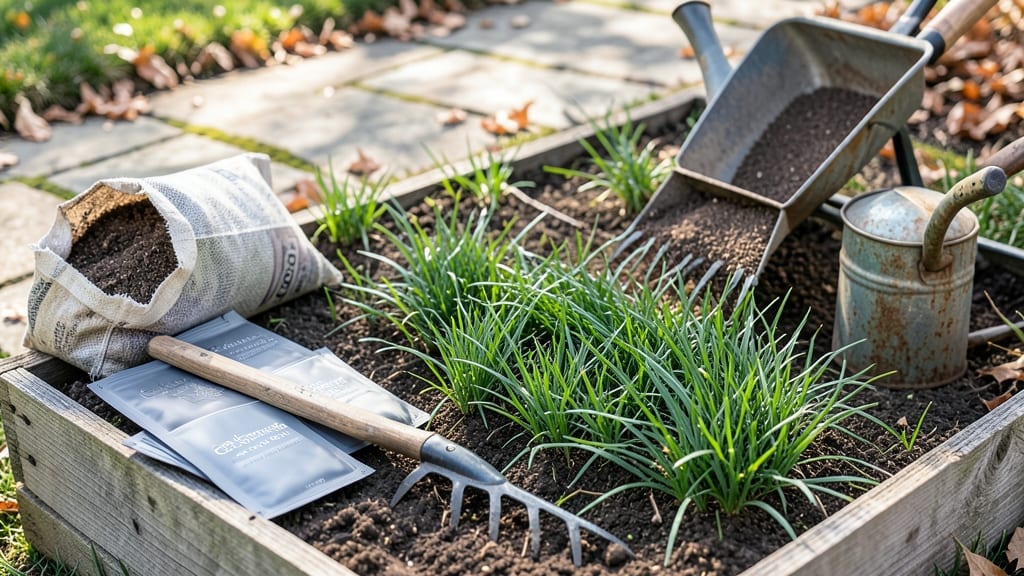
When is the best time to plant grass seed in Utah? The cool-season window—late August through early October—gives your lawn the best shot at deep roots and drought resistance before winter sets in.
Utah’s unpredictable weather can make grass seed planting a guessing game—but timing it right ensures a lush, resilient lawn that beats drought and heat. The secret? A narrow window where cool temperatures and moisture work in your favor.
Most Utah lawns thrive with cool-season grasses like Kentucky Bluegrass or Fescue, which need 60-75°F soil to germinate. Plant too early, and summer’s heat zaps moisture; too late, and frost locks seeds in dormancy before they take hold.
Here’s how to nail the timing, prep your soil for Utah’s alkaline conditions, and keep your new grass hydrated through the critical first 2-3 weeks—without wasting water or money.
Utah’s ideal grass seed planting window: when cool season rules
Utah’s cool-season grasses like Kentucky Bluegrass and Fescue thrive when planted during a 6-week window where temperatures and rainfall align perfectly. This window—late August to early October—lets seeds germinate before winter dormancy, giving roots a head start. Missing it? You risk weak establishment or summer stress.
Northern Utah’s higher elevations (e.g., Cache Valley) experience cooler temps earlier, while Southern Utah (e.g., St. George) stays warmer longer. Your microclimate matters: adjust planting dates by 1–2 weeks based on your zone. For example, Ogden may plant in early September, while Provo waits until mid-September.
Why fall? Cool nights (50–65°F) and warm days (70–85°F) create ideal germination conditions. Plus, September rainfall averages 0.8–1.2 inches/month—enough to keep seeds moist without drowning them. Skip spring planting? You’ll battle summer drought and heat stress.
Here’s the critical window broken down by Utah region, with temperature and rainfall data to guide your timing:
| Region | Optimal Planting Window | Soil Temp (°F) | Avg. Rainfall (in) | Grass Variety |
|---|---|---|---|---|
| Northern Utah (e.g., Logan, Ogden) | Late August–Mid-October | 60–75°F | 0.8–1.2 in/month | Kentucky Bluegrass, Fine Fescue |
| Central Utah (e.g., Salt Lake City, Provo) | Mid-August–Early October | 65–80°F | 0.6–1.0 in/month | Tall Fescue, Perennial Ryegrass |
| Southern Utah (e.g., St. George, Cedar City) | Early September–Late October | 70–85°F | 0.4–0.8 in/month | Buffalo Grass, Blue Grama |
Pro tip: Test soil temperature with a soil thermometer—aim for 60–75°F at 2-inch depth. If temps dip below 50°F, delay planting until conditions improve. Northern Utah gardeners should act by September 15, while Southern Utah can push to October 1.
Cool-season grasses need consistent moisture post-planting. Utah’s September rainfall helps, but supplement with 0.25 inches of water daily for the first 2 weeks. Use a rain gauge to track totals—aim for 1–1.5 inches/week total (water + rain). Overwatering? Seeds rot; underwatering? They fail to sprout.
Miss the fall window? Spring planting (early April–early May) is your backup, but Utah’s spring drought makes it riskier.
If you choose spring, pre-irrigate the soil 2 weeks before planting to ensure moisture. Northern Utah can start as early as April 1, while Southern Utah waits until April 15.
Choose the wrong grass type for your elevation zone, and your lawn will struggle. High-elevation areas (7,000+ ft) thrive with Kentucky Bluegrass or Fine Fescue, while low desert regions (3,000–5,000 ft) do better with Tall Fescue or Buffalo Grass. Check your USDA Zone (5b–7b) for guidance.
After planting, avoid foot traffic for 4–6 weeks to protect young seedlings. Use a straw mulch to retain moisture and block weeds. In October, apply a light fertilizer (10-10-10) to boost root growth before winter.
By spring, your lawn will be dense and drought-resistant—ready to handle Utah’s heat.
Timing is everything in Utah’s climate. Plant in this 6-week window, and you’ll outpace weeds, drought, and heat stress. Skip it, and you’ll spend next summer patching bare spots. Mark your calendar—your future lawn depends on it! 🌱
How to prepare Utah soil for grass seed success before planting
Utah’s alkaline soil and dry climate demand special prep work before planting grass seed. Without proper soil preparation, seeds struggle to germinate, leading to patchy lawns or wasted seed.
The key is improving drainage, balancing pH levels, and creating a seed-friendly environment that holds moisture without turning to mud.
Start by testing your soil’s pH level—most Utah soils run 7.5-8.5 (alkaline), which can hinder seed germination. Cool-season grasses like Kentucky Bluegrass and Fescue thrive in 6.0-7.0 pH.
If your soil tests too high, amend it with sulfur or peat moss 4-6 weeks before planting to give the soil time to adjust.
Before adding amendments, clear the area of existing weeds and debris. Use a broadfork or core aerator to loosen compacted soil, creating pockets for roots to penetrate.
Utah’s clay-heavy soils benefit most from aeration, which also improves air and water circulation. Aim for 1/2-inch deep holes spaced 2-3 inches apart.
⚠️ callout warning
⚠️ Don’t Plant Too Late in Utah!
Grass seed needs 60-75°F soil to germinate. Planting after mid-October risks frost locking seeds in dormancy before roots establish. In high-elevation areas (e.g., Park City), aim for late August planting to beat early freezes.
Pro Tip: Check soil temps with a soil thermometer—wait until temps drop below 85°F to avoid heat stress on seeds.
After aerating, spread a 2-inch layer of compost or well-rotted manure to improve moisture retention and add organic matter. For Utah’s dry conditions, mix in hydrated lime (if pH is too low) or gypsum (for clay soils) to break up heavy particles.
Rake the area lightly to blend amendments into the top 2-3 inches of soil.
To retain moisture, apply a thin layer of straw mulch (not wood chips) after planting. Straw shields seeds from wind and evaporation while allowing sunlight to reach them.
Water gently with a fine mist to settle seeds into the soil, then use a lightweight roller to ensure good seed-to-soil contact—critical in Utah’s windy conditions.
Final step: create a pre-planting checklist to avoid missed steps. Mark off tasks like testing pH, aerating, amending soil, and clearing weeds.
Utah’s dry climate means consistent moisture is your #1 priority—plan to water daily for 2-3 weeks after planting, keeping the top 1 inch of soil damp but not soggy.