
Plants
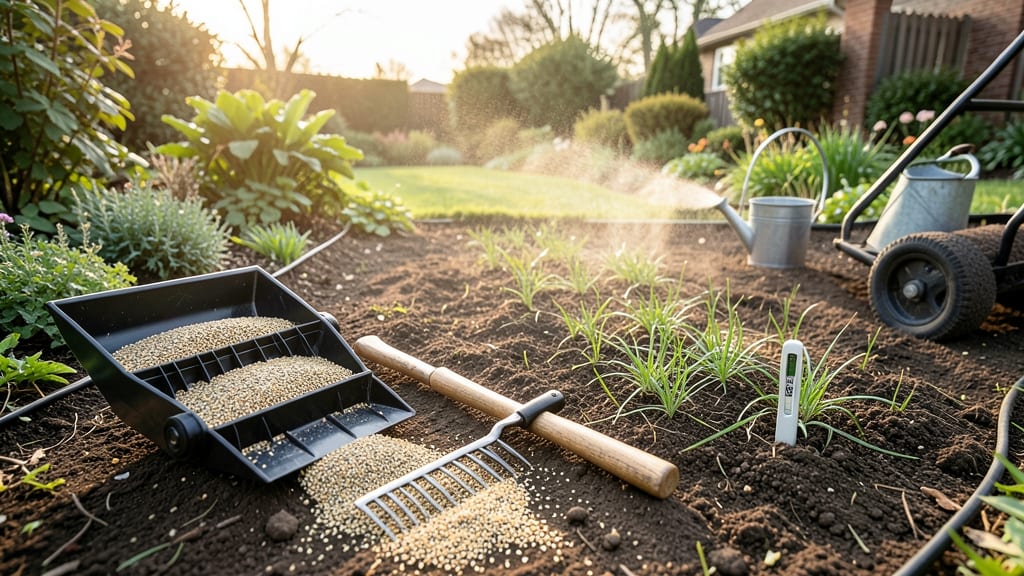
The best time to plant grass seed in Pennsylvania is late summer or early fall—when soil temperatures stay above 50°F and before the first frost arrives.
Planting grass seed at the wrong time in Pennsylvania can mean wasted money and months of waiting for a lush lawn—so timing is everything. But with Pennsylvania’s diverse climate zones and unpredictable spring weather, figuring out the perfect window for planting can feel like guessing.
In USDA Zones 5b-7a, spring planting (March–May) risks late frosts, while summer heat can dry out seeds before they sprout. Fall planting (September–October) offers cooler temps, fewer weeds, and 6-8 weeks of growth before winter sets in.
Below, I’ll break down the ideal soil temps, frost-free timelines by zone, and the one mistake that kills more lawns than drought or weeds. Let’s get your grass off to the right start.
Pennsylvania grass seed planting timeline by hardiness Zone (soil temp & frost dates)
Pennsylvania’s climate spans USDA Zones 5b through 7a, meaning your ideal planting window depends heavily on where you live. In northern PA (Zone 5b-6a), late spring frosts can linger until May 15, while southern PA (Zone 6b-7a) often sees frost-free conditions by April 1.
These differences make timing critical—plant too early, and frost will kill seedlings; too late, and summer heat stresses new roots.
Most Pennsylvania gardeners agree: early fall (September–October) is the best time to plant grass seed. Cooler soil temperatures and consistent rainfall create perfect germination conditions, while weeds are less aggressive. But spring planting (March–April) works too—if you follow soil temperature rules and watch for frost warnings.
Here’s the golden rule for Pennsylvania: Wait until soil temperatures reach 50°F (10°C) for germination, but don’t let temps exceed 85°F (29°C) for more than a few days. Southern zones can handle 65°F (18°C) soils, while northern areas may need to wait until May 1 or later.
Use a soil thermometer to check—it’s the only way to be sure.
Late spring frosts are a major risk in Pennsylvania, especially in Zone 5b-6a. Even if daytime temps are warm, nighttime dips below 32°F (0°C) can wipe out seedlings. That’s why fall planting is often the safer bet—you avoid this gamble entirely.
In Zone 7a, you might squeeze in a late August planting, but time it so seeds germinate before September 15.
If you’re planting in spring, aim for 4–6 weeks before your last frost date. For Zone 5b, that’s typically April 15–May 1, while Zone 7a can start as early as February 28.
The key is ensuring seeds germinate before summer’s intense heat or late spring’s unpredictable frosts. I’ve seen too many gardeners rush planting in March only to watch their investment turn brown overnight.
Summer planting (June–July) is possible in Pennsylvania, but it’s risky. New grass seedlings struggle with high temperatures above 85°F (29°C) and drought conditions, especially in Zone 6b-7a.
If you must plant in summer, choose shade-tolerant varieties like Fine Fescue and keep soil consistently moist with drip irrigation. Even then, expect slower growth and weaker establishment.
Fall planting offers another advantage: weed competition is minimal. Cool-season grasses like Kentucky Bluegrass and Tall Fescue thrive when planted in September–October, giving them time to establish roots before winter.
In Zone 5b-6a, aim to finish planting by October 15 to allow 4–6 weeks of growth before the first frost. Southern zones can push it to November 1 in mild years.
One mistake I see often? Ignoring soil preparation. Before planting, test your soil’s pH (ideal: 6.0–7.0) and amend with compost or lime if needed. Pennsylvania’s soils are often
Spring vs. fall grass seed planting in Pennsylvania: which wins for fastest germination?
Deciding between spring and fall planting for grass seed in Pennsylvania depends on your patience, local climate, and willingness to battle weeds. Both seasons have pros and cons, but one consistently delivers faster, more reliable germination across PA’s diverse zones.
In spring planting (March–May), you’ll see rapid growth as temperatures rise, but late frosts can kill tender seedlings. Meanwhile, fall planting (September–October) offers cooler soil temps and fewer weeds, letting grass establish roots before winter. Let’s compare which season gives you the edge for your PA lawn.
Spring Planting
- Pros: Faster early growth, more sunlight
- Cons: Late frost risk, weed competition
Fall Planting
- Pros: Fewer weeds, cooler temps, strong root growth
- Cons: Slower initial germination, shorter growing window
If you’re in western PA (Pittsburgh), where humidity slows evaporation, spring planting can work—but only if you’re ready to monitor for fungal diseases from excess moisture. In contrast, Erie’s lake-effect winds make fall planting safer, as cooler temps reduce drought stress on seedlings.
For central PA (Harrisburg), fall planting wins because the 6-8 week growing window before frost lets grass establish deep roots. Spring planting here risks late April frosts, which can wipe out young shoots in just 24 hours.
Watering challenges also favor fall. In spring, unpredictable rain can lead to erosion or fungal issues, while summer droughts may dry out seeds before germination. Fall’s consistent moisture from autumn rains makes watering easier and more effective.
Weed competition is another key factor. Spring planting gives weeds a head start, while fall’s cooler temps slow their growth—giving your grass seedlings a better chance to outcompete crabgrass and dandelions. This is why many PA gardeners swear by fall planting for long-term lawn health.
For fastest germination, fall planting wins—but only if you time it right. Aim for 6-8 weeks before the first frost, typically mid-September to early October in most of PA. If you’re impatient and want quick results, spring planting can work—but be prepared for extra care and potential setbacks.