
Plants
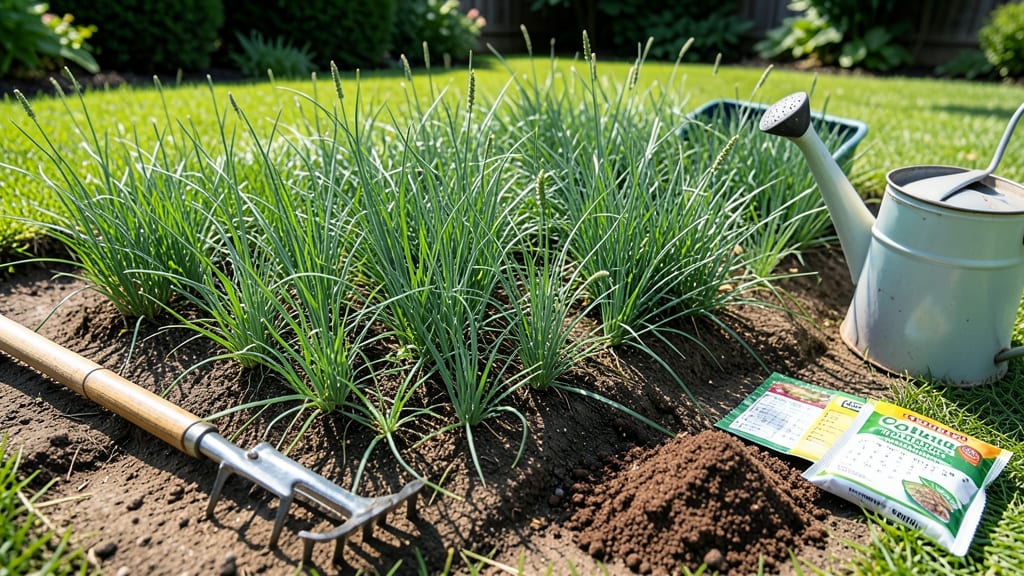
When is the best time to plant grass seed in Oregon? Planting during late summer to early fall gives your lawn the strongest start, with roots that dig deep before winter sets in.
Oregon’s unpredictable weather can make grass seeding a gamble—but timing it right ensures lush, deep-rooted lawns that outlast the Pacific Northwest’s damp winters. The secret? Planting during Oregon’s ideal fall window for maximum success.
Cooler temperatures, consistent rainfall, and fewer weeds create perfect conditions for grass seed to germinate and establish strong roots before the first frost. Whether you’re in the Willamette Valley, the coastal regions, or the high desert, the right timing makes all the difference.
Below, I break down the best months for each Oregon climate zone, soil prep tips, and post-planting care to help your grass seed thrive all season long.
Oregon’s best grass seed planting months: why fall dominates for root growth
Oregon’s cool, wet climate makes fall the prime time for grass seed planting, but the exact window depends on your region. The ideal months are September through October, when soil stays warm enough for germination while cooler air reduces water evaporation.
This balance creates perfect conditions for deep root establishment before winter dormancy.
Science backs this timing: cooler fall temperatures (50–70°F) slow grass growth just enough to encourage stronger root systems rather than rapid top growth. Plus, Oregon’s consistent autumn rainfall keeps seeds hydrated without the risk of overwatering stress that summer heat brings.
Even Oregon’s microclimates—from the Coastal region’s mild winters to the High Desert’s earlier frosts—align with this fall window.
🌱
| Region | Best Planting Window | Key Conditions | Why It Works |
|---|---|---|---|
| Coastal (e.g., Astoria, Cannon Beach) | Late August–October | 55–65°F soil, 40–50" rain/year | Mild winters reduce frost risk; high humidity aids germination. |
| Willamette Valley (e.g., Portland, Eugene) | September–October | 50–68°F soil, 35–45" rain/year | Balanced rainfall and moderate temps perfect for root growth. |
| High Desert (e.g., Bend, La Pine) | August–September | 60–75°F soil, 10–15" rain/year | Earlier window avoids early frosts; irrigation critical. |
In the Coastal region, you can push planting into early November thanks to milder winters, but avoid waiting past October 15 in the Willamette Valley to ensure roots establish before first frost (typically November 15).
The High Desert demands an earlier start—August—to beat the region’s earlier frosts (as early as October 15 in higher elevations).
Weed competition is another reason fall wins. Cooler fall temps slow weed seed germination, giving your grass a 3-week head start before weeds like crabgrass or dandelions take over. Spring planting, by contrast, often means battling weeds for sunlight and nutrients, reducing your grass’s chances of success.
Oregon’s consistent autumn rainfall also eliminates the guesswork of irrigation. Unlike summer, when you’re constantly monitoring watering schedules, fall’s natural moisture keeps seeds hydrated without the risk of overwatering or drought stress.
This is especially critical in the first 21 days after planting, when seeds need constant moisture to germinate.
For cool-season grasses like Kentucky bluegrass or fescue—the top choices for Oregon—fall planting aligns with their natural growth cycle.
These grasses grow most actively in cooler weather, so seeding in September lets them establish roots before winter dormancy. Warm-season grasses like Bermuda (less common in Oregon) would need a late spring planting, but they’re not ideal for the state’s climate.
If you miss fall, early spring (March–April) is your second-best option, but success rates drop by 30–40% due to weed competition and drier soil. Spring planting also risks overwatering as temps rise, while fall’s gentler rainfall does the work for you.
For best results, aim to plant 4–6 weeks before your region’s first frost—a sweet spot for root growth without winter stress.
Pro tip: Test your soil’s pH and nutrients before planting. Oregon’s acidic soils (common in the Coastal and Willamette Valley) often need lime to reach the ideal 6.0–7.0 pH for grass.
Amend with compost or a balanced fertilizer (10-10-10) to give seeds the nutrients they need to sprout quickly and root deeply.
🌿
Step-by-step fall grass planting checklist for Oregon’s climate zones
Oregon’s fall planting window (late August through October) offers the perfect balance of cooler temperatures and consistent rainfall for grass seed germination.
Whether you're in the Willamette Valley, coastal regions, or the High Desert, timing and prep are critical to avoid common pitfalls like overwatering or late-season weeds. Let’s break it down into actionable steps tailored to Oregon’s USDA Zones 7b–9a.
Before you begin, test your soil pH—most Oregon grasses thrive in pH 6.0–7.0. Amend with compost or lime if needed, and choose cool-season grasses like Kentucky bluegrass or fescue for fall planting.
Warm-season grasses (e.g., Bermuda) are better suited for late spring seeding. Skipping these prep steps can lead to poor germination or uneven growth.
🌱 Step-by-Step Fall Grass Planting Checklist
-
Step 1: Test and Prep Soil
Conduct a soil test (Oregon State Extension offers kits) and adjust pH (6.0–7.0) with sulfur or lime. Remove debris and rocks, then till the top 4–6 inches of soil lightly to loosen it. -
Step 2: Choose the Right Seed
Select cool-season grasses like tall fescue (drought-tolerant) or perennial ryegrass (fast germination). For shady areas, opt for fine fescue. Avoid warm-season grasses in fall—they’ll struggle. -
Step 3: Plant at the Right Time
Aim for late August–early October in Western Oregon (Zones 7b–8) or September–mid-October in Eastern Oregon (Zones 8–9). Plant 4–6 weeks before first frost (e.g., Portland: mid-November, Bend: early November). -
Step 4: Spread Seed Evenly
Use a broadcast spreader for uniform coverage (follow package rates, typically 4–8 lbs per 1,000 sqft). Lightly rake seeds into soil (1/4 inch deep) to ensure soil contact for germination. -
Step 5: Water Strategically
Keep soil consistently moist (not soggy) for the first 2–3 weeks. Water lightly 2x daily (morning/evening) to avoid washing seeds away. After germination, water deeply 2–3x weekly. -
Step 6: Fertilize for Root Growth
Apply a starter fertilizer (high in phosphorus) at planting, then use a slow-release 10-10-10 fertilizer 6–8 weeks later. Avoid nitrogen-heavy fertilizers early—they promote top growth over roots. -
Step 7: Monitor and Maintain
Watch for weeds and remove them by hand before they compete. Once grass reaches 3–4 inches, mow high (3–4 inches) to encourage deep roots. Reduce watering as temperatures drop below 50°F.
One of the biggest mistakes gardeners make in Oregon is planting too late in fall, leaving seeds vulnerable to early frost. In coastal areas, aim for September planting to maximize root growth before winter rains.
Meanwhile, High Desert regions (e.g., Bend) can push planting to mid-October thanks to later frost dates. Always check your local frost dates to adjust timing.
Post-planting, avoid heavy foot traffic for at least 4–6 weeks to prevent disturbing young roots. If you notice yellowing grass or slow germination, check for fungal issues (common in Oregon’s damp climate) and treat with a copper fungicide if needed.
With these steps, your lawn will establish deep roots before winter, giving it a head start for spring green-up.
Oregon’s fall planting window is your best bet for a resilient lawn—just follow these steps, and you’ll be rewarded with lush, weed-resistant grass that thrives year-round. Happy planting! 🌿