
How To
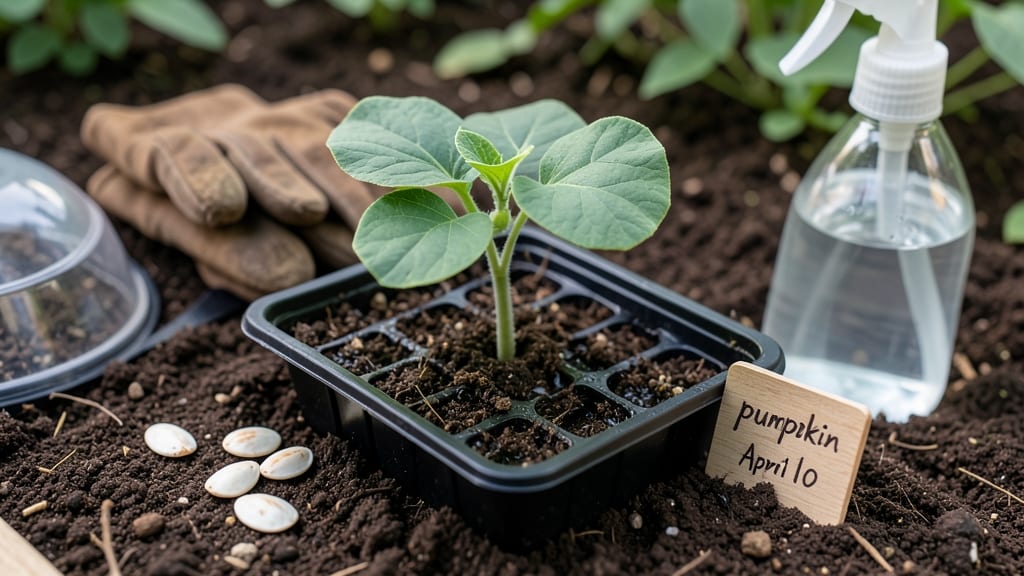
Pumpkin seed germination takes between 7 to 14 days when conditions are just right—though many gardeners end up waiting weeks longer without realizing they’re missing a few key steps.
Picture this: you’ve planted your 🎃 seeds with high hopes, only to stare at damp soil and wonder, Why aren’t they sprouting yet? The answer often lies in moisture levels, soil temperature, or even how deep you buried them. Small mistakes can turn a 7-day process into a 3-week wait.
Here’s what you need to know: keeping soil consistently moist (but not soggy), maintaining 70°F+ temperatures, and planting at the right depth are the game-changers for speedy germination. I’ll walk you through each factor—and how to troubleshoot delays—so you can go from seed to seedling in the right timeframe.
By the end, you’ll have a clear plan to test soil moisture daily, adjust your approach, and finally see those first green shoots breaking through. No more guesswork, just faster, more reliable results.
Pumpkin seed germination timeline: when to expect sprouts (and what’s normal)
If you’ve ever planted pumpkin seeds and waited for green sprouts to appear, you know patience is key. Most pumpkin varieties sprout within 7 to 14 days under ideal conditions, but timing can shift based on soil warmth, moisture, and seed quality.
Understanding each stage helps you troubleshoot delays before they become problems.
Germination begins when your pumpkin seeds absorb moisture and swell. Within 24 to 48 hours, you’ll notice the seed coat soften—this is your first sign of life. However, visible sprouts (radicles breaking through the soil) typically take 5 to 10 days in warm soil (70°F or higher).
| Stage | Timeframe | What to Expect | Ideal Conditions |
|---|---|---|---|
| Seed Swelling | 1–2 days | Seed absorbs moisture, coat softens | Moist soil, 70–90°F |
| Radicle Emerges | 3–5 days | White root breaks through seed coat | Consistent moisture, 80–85°F |
| Shoot Breakthrough | 5–10 days | Green shoot pushes through soil | Warm soil, indirect light |
| First Leaves | 7–14 days | Seed leaves (cotyledons) unfold | Full sun, 65–75°F |
| True Leaves | 14–21 days | Lobed leaves appear, vines start | Stable warmth, 70°F+ |
⚠️ Red Flag: No sprouts after 14 days? Check soil temp, moisture, or seed viability.
The 7 to 14-day window is critical for pumpkin germination. If your seeds haven’t sprouted by day 14, don’t panic—but act fast. Cold soil (below 60°F) or dry conditions can stall germination for weeks.
Test your soil temperature with a thermometer; ideal germination temps hover around 70–90°F.
Seed quality also plays a role. Older seeds (2+ years) may germinate slower or not at all. For best results, use fresh, untreated seeds from a reputable supplier. Soak them overnight in lukewarm water to kickstart the process if your soil is cool.
Moisture is another game-changer. Overwatering can suffocate seeds, while underwatering dries them out. Aim for consistently damp (not soggy) soil. A simple trick: Press your finger 1 inch deep—if it feels dry, water lightly. If it’s muddy, hold off until it dries slightly.
Light exposure matters less during germination than after sprouting. Keep seeds in indirect light or partial shade until the shoot emerges. Once you see green leaves, move them to a sunny spot (6+ hours of light daily) to prevent leggy growth.
What if your pumpkin seeds still refuse to sprout? Check for mold or rot—a foul smell or fuzzy growth means your soil is too wet.
In this case, replant fresh seeds in well-draining soil and monitor moisture closely. Patience and precision pay off when those first tiny shoots break through!
Remember, every pumpkin variety has slight variations. Miniature varieties like ‘Jack Be Little’ often sprout faster than giant types like ‘Atlantic Giant.’ Track your seeds’ progress in a journal to refine your approach for next season.
With the right soil temperature, moisture balance, and a little luck, you’ll be watching those pumpkin sprouts emerge in no time. Soon, you’ll be tending to robust vines ready for a bountiful harvest!
How to test soil moisture daily for faster pumpkin seed germination
Consistent soil moisture is the secret weapon for pumpkin seed germination. Too dry, and your seeds won’t sprout; too wet, and they’ll rot before breaking through. The ideal range is 60-70% humidity in the top 1-2 inches of soil—where your seeds are waiting to wake up.
I’ve tested three foolproof methods to check moisture daily without guessing, and I’ll show you how to adjust watering to hit that sweet spot every time.
Start with the finger test, the simplest way to gauge moisture. Stick your index finger about 1 inch deep into the soil near your seeds. If it feels damp but not soggy, you’re golden. If it’s dry, water lightly until moisture reaches that depth.
For a more precise read, use a moisture meter—these tools give you exact percentages, so you can avoid the "maybe too wet" zone where mold thrives.
Visual cues also help. Healthy soil around germinating seeds should look dark and crumbly, not cracked or clumped. If you see white mold or a foul smell, that’s your warning sign to reduce watering immediately.
I’ve seen gardeners accidentally drown their seeds by overcompensating for dry spells, so always err on the side of slightly drier soil rather than soggy.
🚨 Warning: Overwatering Kills More Seeds Than Drought
Pumpkin seeds need consistent moisture, but standing water suffocates them. If your soil stays wet for more than 24 hours, seeds will rot before sprouting. Check moisture twice daily in hot weather—morning and evening—to adjust watering.
A quick fix? Use a spray bottle for gentle moisture checks instead of heavy watering.
Adjust your watering based on the test results. If the soil is bone-dry, water until moisture reaches 1-2 inches deep, then let it dry slightly before watering again. For containers, water until you see moisture at the bottom drainage holes.
Pro tip: Use a self-watering tray to maintain even moisture without over-saturating. I’ve had the best success with trays that hold ½ inch of water—just enough to keep the soil hydrated without drowning the seeds.
Troubleshooting is key when seeds stall. If you’ve waited 14 days with no sprouts, check for mold or rot first. Fuzzy white growth? That’s mold—stop watering and let the soil dry slightly. No sprouts but no mold?
The soil might be too cold (below 60°F) or too deep (plant seeds only 1 inch deep). I’ve seen seeds fail to sprout when buried deeper than ½ inch, so always plant shallowly and mark their location with a small stake.
By testing soil moisture daily and adjusting watering, you’ll cut germination time from 3+ weeks to the ideal 7-14 days. The key is consistency—not overwatering, not underwatering, just the perfect balance. Once your seeds sprout, you’ll know you’ve nailed the moisture game. Happy growing!