
Plants
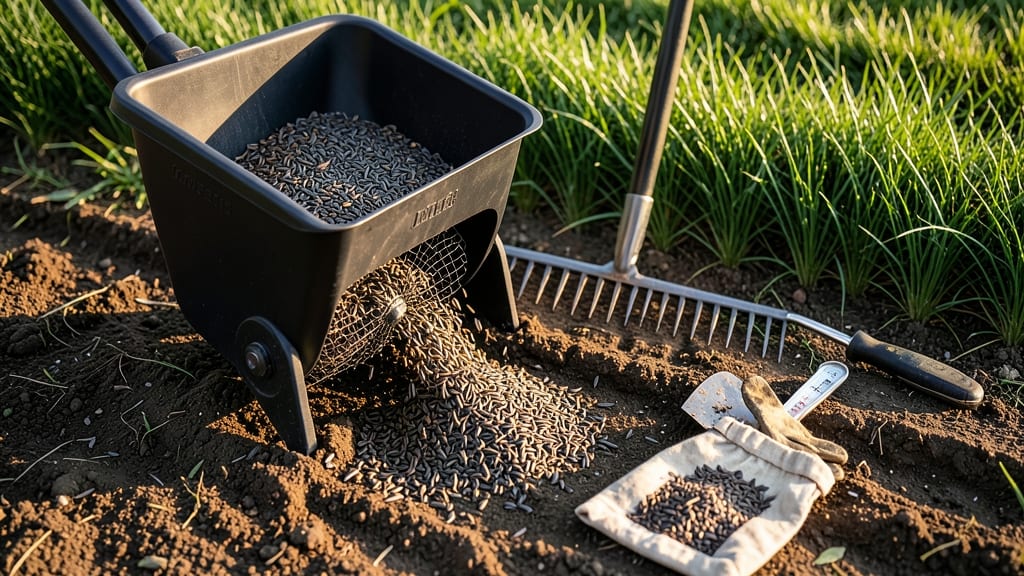
The best time to plant grass seed in Missouri is late summer through early October for cool-season grasses like Kentucky Bluegrass and Tall Fescue.
Missouri’s unpredictable weather can make or break your lawn—planting grass seed at the wrong time means thin patches, weeds, and wasted money. But timing it right in the Show-Me State guarantees a thick, lush lawn that survives winter and thrives in spring.
Fall planting gives grass roots 4-6 weeks to establish before winter dormancy, while spring planting risks heat stress and weed competition. Missouri’s USDA Zones 5b-7a mean your exact window depends on whether you’re in St. Louis or Kansas City.
Below, I’ll break down the science behind Missouri’s ideal planting dates, soil prep secrets, and the top 3 grass varieties that handle our climate best—plus what to do if you miss fall entirely.
Fall planting window in Missouri: why late summer to early October works best
Missouri’s fall planting window is your golden opportunity to establish a thick, resilient lawn before winter sets in. Unlike spring, fall offers cooler soil temperatures (50-65°F) and lower weed competition, giving grass seeds the perfect head start.
For Missouri’s USDA Zones 5b-7a, this window runs from late August to early October, aligning with nature’s rhythm.
The key? Soil temperature drops below 80°F by mid-August in most regions, reducing heat stress on newly germinated seeds. In northern Missouri (Zone 5b), aim for September planting—before the first frost (October 15).
Southern Missouri (Zone 7a) can extend until early October, but stop by October 15 to allow roots to establish before winter dormancy.
Cool-season grasses like Kentucky Bluegrass and Tall Fescue dominate Missouri lawns because they thrive in fall’s moderate temperatures. These grasses grow roots aggressively when days shorten and nights cool, creating a dense network that outcompetes weeds. Planting too early (July) risks heatwave damage, while planting too late (November) leaves roots vulnerable to frost heave.
Here’s the science: Grass seeds need consistent moisture and warm-but-not-hot soil to germinate. Fall’s gentle rainfall and lower evaporation rates create ideal conditions. Plus, weed seeds (like crabgrass) lie dormant in fall, giving your grass a 3-4 month head start before spring weeds wake up.
Missouri’s climate varies north to south, so adjust your timeline:
- Northern MO (Zone 5b): Plant by September 30 for root establishment before frost.
- Central MO (Zone 6a): Target mid-September to early October.
- Southern MO (Zone 7a): Can extend to October 15, but avoid November.
Missouri’s late-summer heatwaves (like the 2023 August heat dome) can scorch grass seeds if planted too early. Wait until soil temps drop below 80°F—test with a soil thermometer or check local Missouri Botanical Garden alerts. Pro tip: Plant Kentucky Bluegrass in late August only if you have shade cloth to protect seedlings from 90°F+ days.
Fall’s moisture balance is another advantage: Morning dew and evening rains keep seeds hydrated without waterlogging. Unlike spring, you won’t battle drought stress or evaporative loss. Just water deeply 2x/day for the first 2 weeks, then taper to 1 inch/week as roots establish.
Don’t let weed competition derail your lawn. Fall-planted grass forms a dense canopy before weeds germinate in spring. Crabgrass, for example, needs warm soil (60°F+) to sprout—so if your grass is 60% established by November, weeds won’t find gaps to invade.
For maximum success, pair fall planting with aeration (2–4 weeks before seeding) to loosen compacted soil. Top-dress with 1/4-inch compost to improve seed-to-soil contact, and use a starter fertilizer (high in phosphorus) to boost root growth. Skip nitrogen-heavy fertilizers—they encourage top growth, not roots.
Missouri’s first frost dates vary by region, but roots need 4–6 weeks to harden off before winter. If you plant Tall Fescue in early October in Zone 7a, it’ll have 6 weeks to establish before frost.
In Zone 5b, September planting gives roots 5–6 weeks of growth before October 15.
Remember: Fall planting isn’t just about timing—it’s about giving grass a head start while avoiding spring’s weed wars and heat stress. By early October, your lawn will be root-bound and ready to explode in spring. That’s the power of Missouri’s fall planting window
Spring vs. fall planting: why Missouri gardeners avoid spring (and what to do if you miss fall)
Missouri gardeners swear by fall planting because it gives grass roots 4-6 weeks to establish before winter dormancy. Studies show 80-90% success rates in fall versus just 40-60% in spring—thanks to cooler soil temperatures and fewer weeds.
But if you missed fall, don’t panic. Spring planting isn’t impossible; it just requires extra prep work to compensate for Missouri’s hot, dry summers and aggressive weeds.
Spring planting risks include heat stress on young seedlings and weed competition that can choke out your grass before it gets established. The key difference?
Fall-planted grass goes dormant in winter with a strong root system, while spring-planted grass faces summer’s 90°F+ temperatures and must compete with weeds from day one. For Missouri’s USDA Zones 5b-7a, this means a 3x higher chance of failure if you plant in May or June.
- 80-90% success rate
- Cooler soil temps (50-65°F)
- Fewer weeds in early fall
- Roots establish before winter
- Requires precise timing
- Missed window = wasted seed
- Second chance if you missed fall
- Grass grows fast in spring
- Can overseed bare spots
- 40-60% success rate
- Weed competition is fierce
- Heat stress risks
- Requires extra care
If you’re planting in spring, start with soil prep adjustments. Missouri’s clay-heavy soil needs amendments like compost to improve drainage, and you’ll want to test your soil pH (ideal range: 6.0-7.0).
For late spring plantings (May-June), use shade cloth to protect seedlings from intense sun until they’re 3-4 inches tall. This mimics the cooler conditions of fall planting and can boost survival rates by 20-30%.
Another critical tip: water deeply twice daily (morning and evening) for the first 2-3 weeks to prevent drought stress. Avoid overhead sprinklers, which can displace seeds and spread disease. Instead, use a gentle rain setting on your sprinkler or a soaker hose to keep soil consistently moist but not soggy.
Missouri’s unpredictable spring rains can also wash away seeds, so consider using a starter fertilizer with high phosphorus to encourage root growth.
For emergency spring plantings, consider cool-season grass mixes like Tall Fescue or Kentucky Bluegrass, which tolerate Missouri’s heat better than other varieties.
If you’re in southern Missouri (Zone 7a), you might even get away with planting in early September—just time it so seeds germinate before first frost. For northern Missouri (Zone 5b), stick to late August to early October for the best results.
Remember, even if you plant in spring, patience is key. It may take 2-3 weeks longer to see results compared to fall planting, but with the right prep work, you can still achieve a thick, healthy lawn by summer.
The secret? Consistency in watering, weed control, and proper soil conditions will make all the difference in Missouri’s challenging climate.