
Plants
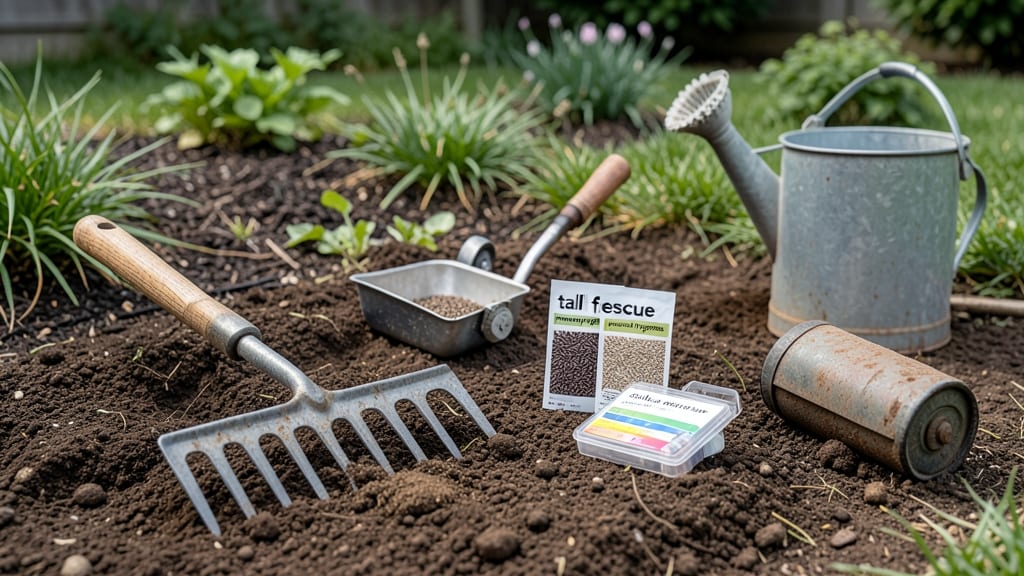
Planting grass seed in Indiana at the right time ensures fast germination and a lush lawn before summer heat or winter frost sets in.
Indiana’s unpredictable spring and fall weather can make or break your grass seed success—plant too early, and frost kills your efforts; too late, and summer heat stunts growth. Timing isn’t just critical; it’s the difference between a thick, green lawn and wasted seeds.
For cool-season grasses like those thriving in Indiana’s 5b-6b zones, the best windows are early spring (March to early April) or early fall (late August to early October). These periods give seeds 4-6 weeks to establish roots before extreme temperatures arrive.
Below, I’ll break down how to prepare your soil, adjust for regional microclimates, and avoid common pitfalls—so you can plant with confidence and skip the guesswork.
Optimal planting windows for Indiana’s cool-season grasses (early fall & early spring)
Indiana’s cool-season grasses like tall fescue and Kentucky bluegrass thrive when planted during two ideal windows: early fall and early spring. These periods offer moderate soil temperatures and consistent rainfall, giving seeds the best chance to establish strong root systems before extreme weather arrives.
The early fall window (late August to early October) is often overlooked but offers cooler temperatures and lower weed competition. Meanwhile, early spring (March to early April) aligns with rising soil temperatures and increased daylight, both critical for germination.
Missing these windows can lead to stunted growth or seed dormancy.
Indiana’s USDA zones 5b-6b experience average first frost dates around October 15 and last frost dates near April 15. Planting 4-6 weeks before frost ensures roots establish before winter dormancy. For spring, aim to plant after the last frost but before soil temperatures exceed 75°F.
Here’s a quick reference for Indiana’s planting windows, soil conditions, and rainfall patterns to help you plan:
| Planting Window | Soil Temperature | Rainfall (Avg.) | Key Benefits |
|---|---|---|---|
| Late August - Early October (Fall) | 55°F - 70°F | 2.5 - 3.5 inches/month | Cooler temps, fewer weeds, strong root growth before winter |
| March - Early April (Spring) | 45°F - 65°F | 2.0 - 3.0 inches/month | Increasing daylight, consistent moisture, avoids summer heat stress |
| Avoid: May - September | Above 75°F | Variable (drought risk) | High heat causes dormancy; weeds outcompete seedlings |
Northern Indiana’s cooler microclimates (e.g., near Lake Michigan) may shift planting windows 1-2 weeks later due to delayed frost dates. Southern Indiana, closer to USDA zone 6b, can plant 1-2 weeks earlier in both spring and fall.
Always check local frost dates from resources like the Purdue Extension for precise timing.
For fall planting, prioritize late August to mid-September when soil stays warm enough for germination but cools before first frost. In spring, wait until mid-March to avoid late frost damage, but don’t delay past early April or risk summer heat stress.
Indiana’s average rainfall peaks in May and June, but spring planting benefits from consistent moisture without the intensity of summer storms. Fall planting leverages September’s steady rains, reducing the need for supplemental watering. Use a rain gauge to track weekly totals and adjust watering accordingly.
Pro tip: Test your soil’s moisture before planting. Stick your finger 2 inches deep—if it feels dry, water 1-2 inches the day before seeding. Overwatering can wash seeds away, while underwatering causes poor germination. Aim for consistently moist (not soggy) soil throughout the first 3 weeks.
If you’re torn between fall vs. spring planting, consider your lawn’s current state. Thin or patchy areas benefit from fall planting, while new lawns often succeed better in spring. Both windows work—just align with Indiana’s climate cues and soil conditions for best results.
Ready to plant? Grab your grass seed, rake, and mulching straw—Indiana’s cool-season grasses will reward you with a lush, resilient lawn when timed just right. 🌱
How to prepare your Indiana lawn for grass seed success (soil, weather, and timing checks)
Preparing your Indiana lawn for grass seed requires three key checks: soil readiness, weather timing, and site preparation. Start by testing your soil pH—Indiana’s cool-season grasses thrive in a range of 6.0 to 7.0.
Use a DIY kit or send a sample to Purdue Extension for precise results.
If your soil is too acidic (below 6.0), apply lime 4-6 weeks before planting. For alkaline soil (above 7.0), work in sulfur or peat moss. These adjustments give seeds the perfect environment to germinate within 7-14 days.
Next, clear all debris—rocks, weeds, and thatch—to ensure seed-to-soil contact. Rent a dethatcher or use a stiff rake to loosen the top ¼ inch of soil. This step is critical: seeds need direct contact with moist, loose soil to sprout.
⚠️ callout warning ⚠️
For fall planting, aim for late August to early October. This window gives seeds 4-6 weeks to establish roots before the first frost (around October 15). Monitor soil temperature—it should stay above 55°F for optimal growth.
Adjust your timeline if Indiana’s spring arrives late. If frost lingers past April 15, delay planting until soil warms to 55°F and nighttime temps stay above 40°F. Use a soil thermometer to track progress—this simple tool saves hours of guesswork.
Finally, create a microclimate-friendly schedule. Northern Indiana’s Zone 5b areas may need earlier planting, while southern Zone 6b regions can extend dates slightly. Always prioritize consistent moisture—water deeply twice daily for the first week to prevent seed desiccation.