
Plants
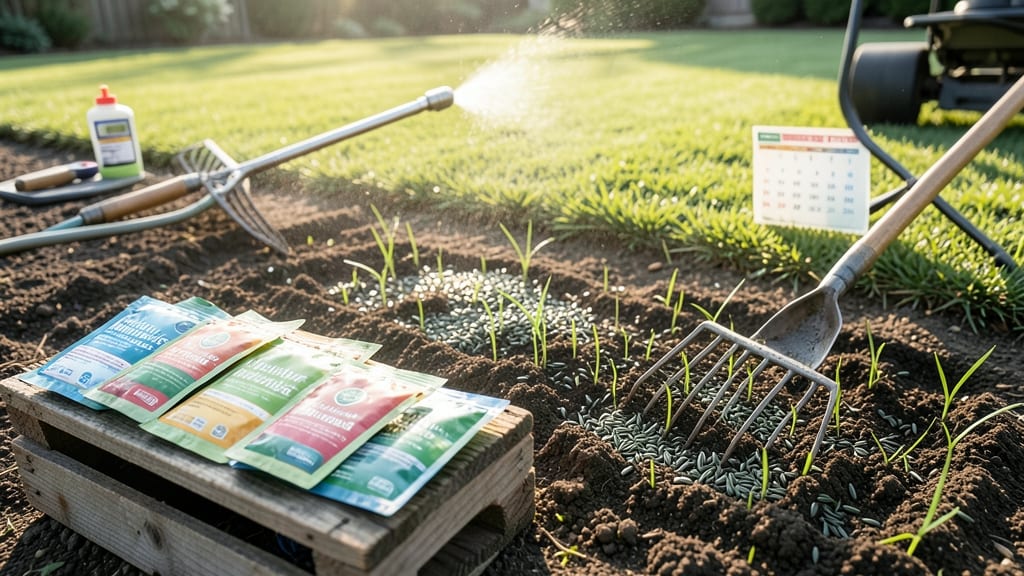
A good time to plant grass seed in the spring is 4-6 weeks before your last frost date—just as soil warms but before summer’s scorching heat sets in.
Picture this: you’ve spent weeks prepping your soil, only to watch your grass seeds bake under midday sun or rot in a sudden cold snap. Getting the timing right isn’t just about avoiding disappointment—it’s about giving your 🌱 lawn the best shot at thriving all season.
Cool-season grasses like Kentucky bluegrass and fescue love early spring, while warm-season types such as Bermuda and Zoysia wait for late spring’s heat. Miss the window, and you’re either battling weeds or dealing with slow, patchy growth.
Below, I’ll break down the exact months for your zone, how to test soil temperature, and the one trick that keeps seeds from drying out before they sprout.
Best spring planting windows for cool-season vs. warm-season grass seed
Spring is the perfect time to refresh your lawn, but the right planting window depends entirely on whether you're growing cool-season or warm-season grass. Planting too early or too late can leave your lawn thin and patchy.
Cool-season grasses like Kentucky bluegrass and fescue thrive in early spring, while warm-season types such as Bermuda and Zoysia need late spring warmth to germinate successfully.
Understanding your local climate zone and soil temperature trends is key. For example, in USDA Zone 5, cool-season grasses should go in by late April to early May, while warm-season grasses wait until mid-May to June.
The difference in timing can mean the difference between a lush, green lawn and a struggling seedbed.
Here’s a quick breakdown of the ideal planting windows for both grass types, including soil temperature ranges and regional adjustments to ensure your grass seed gets the best start.
| Grass Type | Best Planting Window | Soil Temp Range | Key Considerations |
|---|---|---|---|
| Cool-Season Grasses | Early Spring (4-6 weeks before last frost) | 50-65°F | Plant when soil is workable but not frozen. Avoid planting if frost is forecasted within 2 weeks. |
| Examples: Kentucky Bluegrass, Tall Fescue, Ryegrass | Ideal Months: March-April (North), April-May (South) | N/A | Cool-season grasses germinate quickly in cool soil but struggle in heat. Late spring planting may lead to poor establishment. |
| Warm-Season Grasses | Late Spring (After last frost, soil warm) | 65-75°F | Wait until soil is consistently warm and daytime temps stay above 70°F. Planting too early can result in seed rot. |
| Examples: Bermuda, Zoysia, St. Augustine | Ideal Months: May-June (North), April-May (South) | N/A | Warm-season grasses need heat to activate germination. Early planting can lead to fungal issues or slow growth. |
| Regional Adjustments | Northern Climates (Zones 3-5) | Cool-Season: March-April Warm-Season: May-June |
Cooler springs delay warm-season planting. Use a soil thermometer to confirm warmth. |
| Southern Climates (Zones 7-10) | Cool-Season: September-October Warm-Season: April-May |
Cool-Season: 60-70°F Warm-Season: 75-85°F |
Southern springs warm up faster. Plant warm-season grasses early to avoid summer heat stress. |
For cool-season grasses, the early spring window (typically March to early May) is critical. These grasses germinate best when soil temperatures hover between 50-65°F. Planting too late can expose them to summer heat stress, while planting too early risks frost damage or slow germination.
In northern regions, aim for 4-6 weeks before the last frost date to give seeds time to establish roots before summer arrives.
If you’re in a transition zone (like USDA Zone 6 or 7), you might successfully plant cool-season grasses in early spring and warm-season grasses in late spring. However, always monitor soil temperatures—cool-season grasses can bolt (produce seeds prematurely) if exposed to consistent temperatures above 75°F.
A soil thermometer ($10-$15 at garden centers) is a game-changer for nailing the perfect timing.
Warm-season grasses, on the other hand, require patience. They won’t germinate until soil temperatures reach 65-75°F, which usually happens in late spring or early summer. Planting too soon can lead to seed rot or fungal diseases like Pythium.
In southern climates, you might start as early as April, but in northern areas, wait until mid-May or June to avoid these issues.
One common mistake is assuming that "spring" is a single window for all grasses
How to choose the right spring month based on your climate zone
Your USDA hardiness zone is the first clue to perfect spring planting timing. For example, Zone 3-5 gardeners should plant cool-season grass as early as March or April, while Zone 8-10 areas wait until May or June for warm-season varieties.
The key is aligning your schedule with soil temperatures—cool-season grasses need 50-65°F, while warm-season types thrive at 65-75°F.
Don’t rely solely on the calendar—soil thermometers are your best friend. Stick one 2-3 inches deep for a week before planting. If temperatures fluctuate wildly (like 40°F mornings followed by 80°F afternoons), wait another week.
Coastal areas often have milder microclimates than inland zones, so adjust your timing 1-2 weeks later if you’re near the ocean.
Here’s how to match your zone to the ideal window:
Once you’ve nailed down your zone and soil temp, account for local weather patterns. If your area typically gets unpredictable rain in early spring, plant 2-3 weeks later to avoid waterlogged seeds.
Conversely, if droughts are common, opt for drought-tolerant varieties like tall fescue and plant when morning dew consistently disappears by 10 AM.
For coastal gardeners, humidity and salt spray can delay germination. Choose salt-tolerant grasses like Bermuda and plant during overcast days to reduce stress. Inland areas with hot, dry winds should use mulch or shade cloth until seeds establish roots.
Always test a small patch first—if your grass sprouts in 7-10 days, you’ve timed it right!
Pro tip: Mark your calendar for 4-6 weeks after planting to overseed any thin spots. This second chance ensures your lawn fills in smoothly, regardless of spring’s surprises. With the right timing, you’ll have a thick, green carpet by summer—no guesswork needed.