
Plants
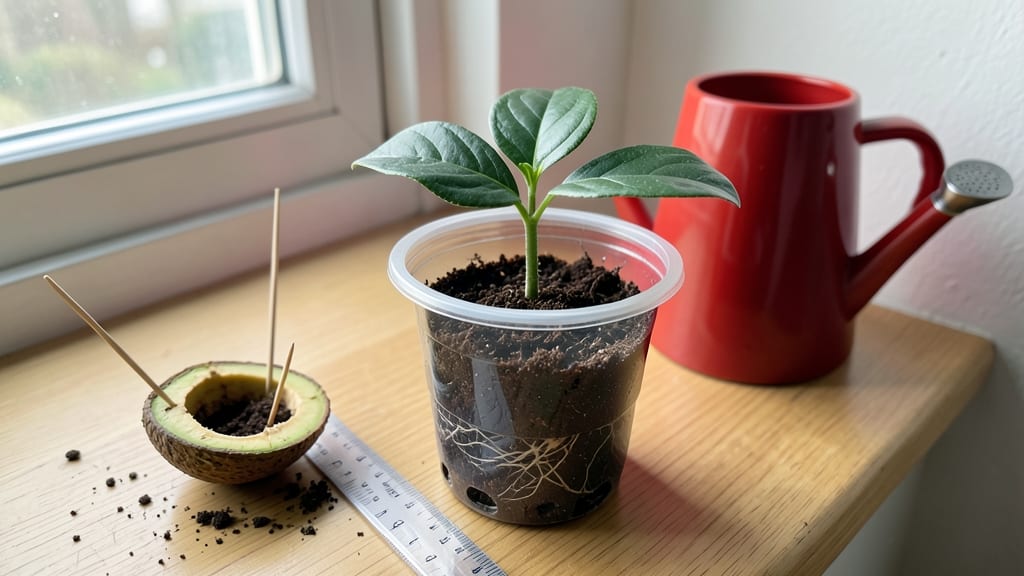
Planting an avocado seed in soil at the right time can mean the difference between a thriving young tree 🥑 and a seed that never sprouts.
Growing an avocado tree from a seed is a rewarding project—but timing is everything. Plant too early, and your seed may rot; wait too long, and you risk stunted growth.
The key is to act when soil temperatures hit 65°F or warmer, which usually aligns with late spring in most regions.
Whether you're starting indoors or outdoors, the goal is to give your seed the best chance to develop roots before the heat of summer arrives.
In warmer climates like California or Florida, you might even begin as early as February, while cooler areas like the Midwest should wait until May or June.
Below, I’ll walk you through the exact steps to prepare your seed, choose the right soil, and recognize when it’s truly ready for planting—so you can avoid the most common mistakes and set your avocado tree up for fast, healthy growth.
Optimal planting time for avocado seeds: climate zones and seasonal triggers
Timing your avocado seed planting correctly is the difference between a thriving young tree and a failed experiment. Avocado seeds (Persea americana) germinate best when soil temperatures stay consistently above 65°F (18°C), making spring planting ideal for most regions.
But the exact window depends on your USDA hardiness zone and local climate patterns.
In warmer climates like California or Florida (zones 9-11), you can plant avocado seeds outdoors as early as February or March, when daytime temperatures climb into the 70s°F (21-27°C).
However, gardeners in cooler zones (zones 8 and below) should wait until after the last frost date, typically late April to early June.
Here’s the key rule: Plant when soil stays warm—not just air temperatures. Use a soil thermometer to confirm 65°F+ at a 2-inch depth. Cold soil slows germination and invites rot.
In northern states, starting seeds indoors in late winter (February-March) gives you a head start before transplanting outdoors in late spring.
| USDA Zone | Optimal Planting Window | Soil Temp Requirement | Regional Notes |
|---|---|---|---|
| Zones 9-11 (California, Florida) | February–March (outdoors) | 65°F+ consistently | No frost risk; plant after last chill |
| Zones 8 (Southern Texas, Georgia) | March–April (outdoors) | 65°F+ for 2+ weeks | Wait until night temps stay above 50°F |
| Zones 7 (Midwest, Virginia) | Late April–May (outdoors) | 70°F+ minimum | Start indoors in February |
| Zones 6 and below (Northern Midwest, Northeast) | May–June (outdoors) | 75°F+ required | Indoor start in March; transplant after frost |
Avoid the common mistake of planting too early in cooler zones. If you rush it, your seed may rot before germinating due to cold, damp soil. Conversely, waiting too late—like July or August—can stunt early growth because seedlings struggle to establish roots before fall temperature drops.
For container-grown avocados, timing shifts slightly. You can plant seeds in pots anytime indoors, but outdoor transplanting still follows the 65°F soil rule. If you’re growing in a greenhouse or sunroom, extend your planting window by 2-3 months earlier than outdoor guidelines.
Pay attention to moon phases too—planting during a waxing moon (when the moon is growing) is said to boost root development. While not scientifically proven, many gardeners swear by this old trick for faster germination.
Finally, regional microclimates matter. A backyard in Phoenix might be ready in January, while a shaded spot in Chicago’s backyard could wait until June. Always observe your local last frost date and adjust by 4-6 weeks for safety.
Once you’ve nailed the timing, the next step is preparing your seed—soaking, drying, and checking for root development. But first, get that soil warm and your calendar marked! 🌱
Step-by-step guide: preparing your avocado seed for soil planting
Before transferring your avocado seed to soil, proper preparation is key to avoiding rot and encouraging strong root growth. The process starts with soaking and ends with selecting the right container—each step builds on the last to give your seed the best chance at thriving.
I’ll walk you through every detail, from root development to soil mix requirements, so you can plant with confidence.
First, you’ll need to soak the seed for 3-5 days, changing the water daily to prevent bacteria buildup. This softens the hard outer shell and kickstarts the germination process.
After soaking, let the seed dry slightly—just enough so the shell isn’t slippery when touched. This step is critical because a damp seed can rot in soil before sprouting.
Once your seed has 1-2 inch roots and a small stem (usually 2-4 weeks after soaking), it’s ready for soil. The roots should be firm but flexible, and the stem should show signs of growth.
If you wait too long, the roots may become tangled or brittle, making transplanting difficult. Timing is everything—plant when roots are active but not overcrowded.
🌱 Step-by-Step: Planting Your Avocado Seed in Soil
- Step 1: Choose a well-draining soil mix—combine 50% potting soil, 30% perlite, and 20% compost for optimal aeration and nutrients.
- Step 2: Select a container with drainage holes (6+ inches deep) to prevent waterlogging. A plastic or terracotta pot works well for seedlings.
- Step 3: Plant the seed halfway into the soil, leaving the top 1/3 exposed. Gently press the soil around the seed to secure it without compacting it too tightly.
- Step 4: Water lightly until the soil is moist but not soggy. Place the pot in a warm, sunny spot (65°F+ soil temperature) and keep humidity high with a plastic bag or tray of water.
- Step 5: Wait 2-4 weeks for sprouting. Once leaves appear, remove the plastic bag and gradually introduce the seedling to direct sunlight to harden it off.
After planting, monitor the soil moisture closely—overwatering is the #1 killer of young avocado seedlings. Stick your finger 1 inch into the soil; if it’s dry, water gently. Avoid letting the soil dry out completely, but never let it sit in water.
A south-facing window or grow light ensures your seedling gets the 6+ hours of sunlight it needs daily.
Once your seedling reaches 6-12 inches tall (usually 3-6 months after planting), it’s ready for a larger pot or outdoor transplanting—if your climate allows. In colder regions, wait until spring when soil temperatures stay above 60°F. Patience here pays off, as rushing can shock the delicate roots.
With these steps, your avocado seed will have the best start possible. The key is preparation, timing, and consistency—just like nurturing any young plant. Soon, you’ll be watching those first leaves unfurl, a sign your hard work is paying off! 🌿