
Companion Plants
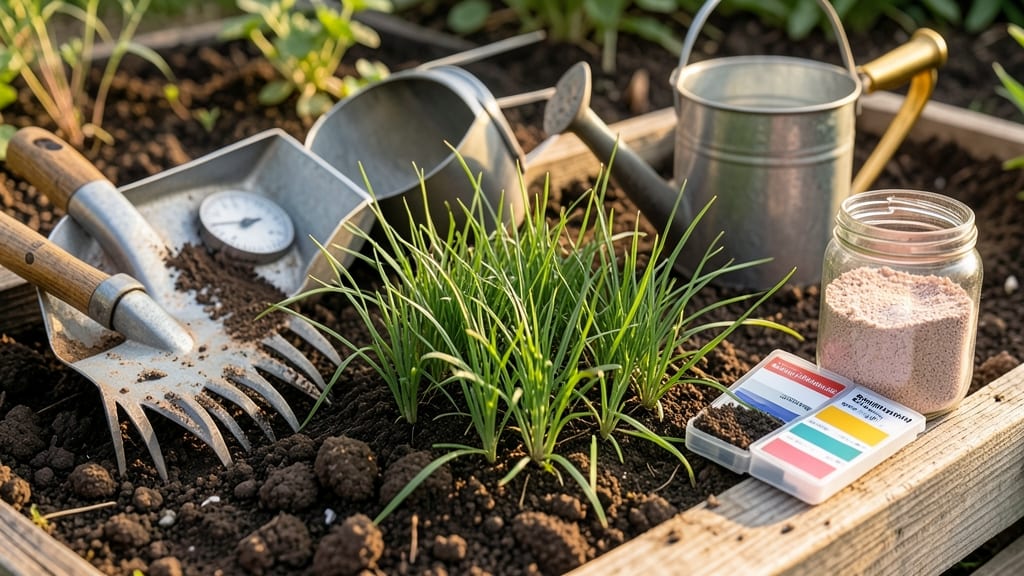
Planting grass seed in the spring at the right time ensures strong germination and a lush lawn by summer.
Timing your grass seed planting just right in spring can mean the difference between a lush, green lawn and weeks of patchy growth—or even failure. But with temperatures rising and weather unpredictable, when exactly should you plant for the best results?
In Zone 6a, like most of the U.S., the ideal window is 4-6 weeks before your last frost—typically late March to early April. Plant too early, and frost can kill tender seedlings; too late, and weeds will outcompete your grass.
Below, I break down the exact week-by-week schedule by climate zone, soil prep tips, and how to tell if your lawn is ready for mowing. Let’s get that 🌱 growing strong!
Best spring planting weeks for grass seed by USDA climate zone
Spring is the perfect time to sow grass seed, but the exact timing depends on your USDA climate zone and local weather patterns. Planting too early risks frost damage, while waiting too long invites weed competition.
Let's break down the ideal planting weeks for each zone to maximize your lawn's success.
For most regions, the soil temperature should consistently stay between 50°F and 65°F—this sweet spot ensures strong germination without stressing young seedlings. In colder northern zones, aim for early spring, while southern zones can wait until late spring when heat arrives. Here's your zone-by-zone guide:
🌱 Pro Tip: Use a soil thermometer to confirm temperatures before planting. If your soil is below 50°F, wait at least 1-2 weeks for better results.
| USDA Zone | Best Planting Weeks | Soil Temp Threshold | Key Considerations | Regional Notes |
|---|---|---|---|---|
| Zones 3-4 (Coldest) | Late April - Early May | 50-55°F | Cool-season grasses (fescue, ryegrass) | Wait until after last frost date |
| Zones 5-6 (Temperate) | Early April - Mid-May | 55-60°F | Kentucky bluegrass, tall fescue | Northern areas plant earlier |
| Zones 7-8 (Warm) | Mid-March - Early April | 60-65°F | Bermuda, zoysia, centipede | Avoid summer heat planting |
| Zones 9-10 (Hot) | Late August - September | 80-85°F (fall planting) | St. Augustine, bahia | Spring planting risky due to heat |
🌡️ Soil Temp Tip: Use a soil thermometer 2-3 inches deep for accurate readings
In USDA Zones 3-4, where winters are harsh, focus on late April to early May planting. These northern regions benefit from cool-season grasses like fine fescue or perennial ryegrass, which thrive in cooler temperatures.
The key is planting 4-6 weeks before your last frost date to give seedlings time to establish before summer heat arrives.
For Zones 5-6, which include much of the Midwest and Northeast, aim for early April to mid-May. This window captures the ideal 55-60°F soil temperature range. Popular choices here include Kentucky bluegrass and tall fescue, both of which establish quickly in these moderate climates.
Northern areas within these zones should plant earlier, while southern edges can extend into May.
Southern gardeners in Zones 7-8 have more flexibility with mid-March to early April planting. However, these warm zones often see warm-season grasses like Bermuda or Zoysia, which prefer higher soil temperatures (60-65°F).
The critical factor here is avoiding summer heat stress—planting too early can lead to poor germination if temperatures spike prematurely.
In the hottest zones (9-10), spring planting is often not recommended for traditional lawn grasses. Instead, focus on late summer/early fall planting (August-September) when soil temperatures drop to 80-85°F. Grasses like St. Augustine and bahia thrive in these conditions, but spring planting risks heat shock and poor establishment.
Regardless of your zone, always test your soil temperature before planting. If your soil is below 50°F, wait—cool soils slow germination and invite disease. For best results, pair your planting with proper soil prep: till the top 2-3 inches, remove debris, and rake for a fine seedbed.
This ensures your grass seed makes strong root contact with the soil.
🌱 Final Tip: After planting, keep the soil consistently moist (not soggy) for the first 2-3 weeks. This critical period determines whether your lawn will establish evenly or develop weak, patchy growth.
Critical factors that determine your exact planting window
Your grass seed’s success hinges on three critical factors: soil temperature, frost risk, and grass seed type. Cool-season grasses like Kentucky bluegrass thrive when soil hits 50-60°F, while warm-season types such as Bermuda grass need 65-75°F.
Plant too early, and frost will kill seedlings; too late, and weeds will dominate.
Local rainfall patterns also matter. In dry climates, aim for spring showers to reduce manual watering. In wet regions, delay planting until soil dries slightly to avoid fungal diseases.
Check your USDA zone for precise timing—Zone 5 may plant in late April, while Zone 8 starts in March.
- 1
- 2
- 3
- 4
Don’t forget to test your soil’s pH—most grasses prefer 6.0-7.0. Amend with lime if too acidic or sulfur if too alkaline. A soil test kit (available at garden centers) makes this easy.
Once you’ve checked these factors, you’ll know the perfect week to plant for a thick, green lawn.
Pro tip: Mark your calendar 4-6 weeks before your last frost and monitor daily highs. If nights dip below 40°F, delay planting until temperatures stabilize. Patience here pays off with faster germination and stronger roots.
Finally, cool-season grasses like tall fescue germinate in 7-14 days at ideal temps, while warm-season types take 14-21 days. Adjust your timeline based on your grass variety—this ensures you’re not rushing or delaying the process.