
Propagation
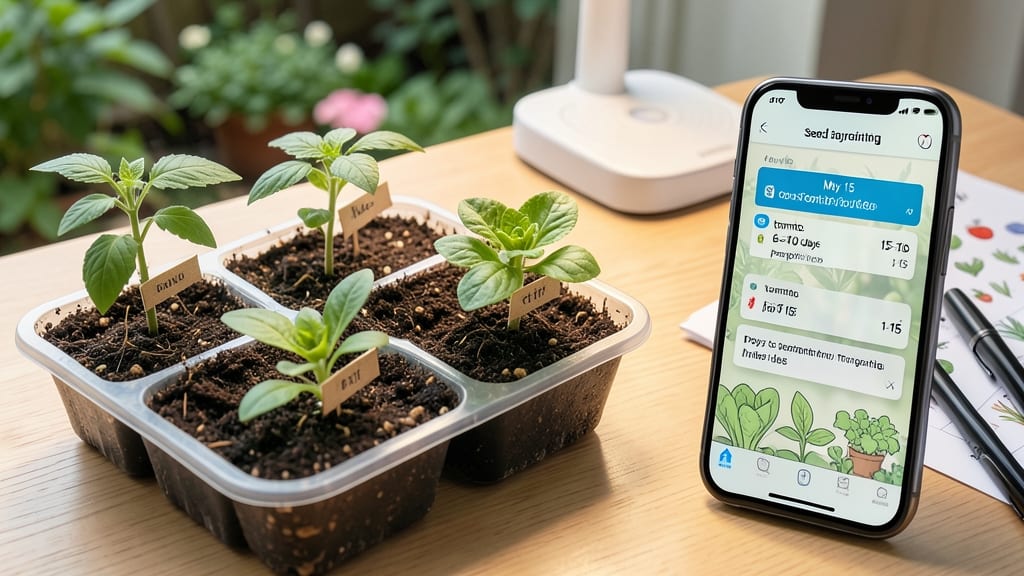
Precision planting starts with knowing exactly when to start your seeds—Johnny's Seed Starting Calculator makes this effortless by aligning your indoor seed schedule with your local frost dates. 🌱 I used to guess, but now I plan with confidence, avoiding both premature seedlings and late starts that miss the growing season.
The calculator handles all the math: it factors in your last frost date, your target transplant date, and each plant's days-to-maturity, then tells you the perfect window to start seeds indoors.
No more second-guessing whether your tomatoes will be ready in time or if your peppers need an earlier start. What you end up with is a customized planting timeline that accounts for your zone, your specific varieties, and even your preferred harvest dates.
The peace of mind alone is worth it—no more bolting lettuce or leggy seedlings that outgrow their containers. Works for beginners and experts alike, whether you're growing heirlooms or hybrids, in a sunny windowsill or under grow lights. Let's get those seeds on a schedule!
📚 In This Guide
- What you need
- Instructions
- Tips and common mistakes
- Wrapping up and next steps
What you need
- ● Seeds: Choose high-quality seeds from Johnny’s Selected Seeds or trusted suppliers. Pro tip: Check the seed packet for specific spacing and depth requirements!
- ● Seed Starting Mix: 10–15 lbs of a sterile, well-draining mix (e.g., Johnny’s Premium Seed Starting Mix). Avoid garden soil—it’s too dense and can harbor diseases.
- ● Containers: Cell trays (72–200 cells) or biodegradable pots (2–4 inches deep).
- ● Clear plastic domes or humidity trays (to retain moisture).
- ● Grow Lights or Sunlight: A full-spectrum LED grow light (12–16 hours/day) or a south-facing windowsill (if natural light is abundant).
- ● Watering Can or Spray Bottle: A gentle spray nozzle prevents disturbing seeds.
- ○ Heat Mat (Optional but Helpful): For cool zones (e.g., Zones 1–4), a heat mat (70–80°F range) speeds up germination.
- ● Labels & Marker: Permanent markers or plant labels to track varieties and dates.
- ● Fertilizer: A balanced, water-soluble fertilizer (e.g., Johnny’s 5-5-5) for seedlings after the first true leaves appear.
- ● Fungicide: A preventative spray (like Johnny’s All Natural Fungicide) to combat damping-off.
- ● Thermometer/Hygrometer: To monitor temperature and humidity (ideal: 65–75°F and 40–60% humidity).
- ● Seedling Heat Pad: For finicky seeds (e.g., peppers, tomatoes) that need consistent warmth.
Instructions: how to use Johnny's seed starting calculator for your zone
Here’s how I use this tool to plan foolproof seed-starting deadlines—no guesswork, just science-backed timing.
📅 Step 1: Input Your Planting Zone and Last Frost Date
Start by entering your USDA Plant Hardiness Zone (find yours with a quick online search). The calculator uses this to estimate your average last frost date—the critical marker for when to move seedlings outdoors. If you’re unsure, Johnny’s defaults to common frost dates for each zone, but I recommend double-checking with your local cooperative extension service for precision.
Next, select the type of plant you’re growing (vegetables, flowers, herbs) and the specific variety. Some plants, like tomatoes, need a long indoor growing period, while others, like lettuce, can handle cooler soil. The calculator adjusts deadlines based on these details—don’t skip this step, or you’ll end up with leggy, overgrown seedlings or stunted transplants.
⏰ Step 2: Set Your Seed Starting Window
The calculator generates two key dates: the earliest and latest you can start seeds indoors. These account for your zone’s frost date, the plant’s days to maturity, and how long it needs to grow indoors before transplanting. For example, if you’re growing basil (which matures in 60 days and needs 4-6 weeks indoors), the calculator might show a window of February 15 to March 15 for Zone 6.
I like to mark both dates on my calendar and highlight the sweet spot in the middle—this gives me flexibility if germination takes longer than expected. Pro tip: If you’re using a seedling heat mat, you can safely start seeds a few days earlier since it speeds up germination.
☀️ Step 3: Adjust for Your Grow Lights or Natural Light
Here’s where most beginners trip up: the calculator assumes 14-16 hours of light daily, which is standard for seedling growth. If you’re using natural light, check the "Light Requirements" box in the calculator. South-facing windows often don’t provide enough intensity, so I supplement with a grow light even if the calculator says "sunny window."
For grow lights, position them 2-4 inches above seedlings and raise them as plants grow. If you see stems stretching toward the light (a sign of etiolation), lower the light immediately. The calculator’s indoor growing days estimate assumes optimal light—poor light conditions will push your transplant date back.
🌱 Step 4: Plan for Hardening Off and Transplanting
The calculator’s transplant date is based on seedlings being ready to move outdoors, but you’ll need to harden off them first. This process takes 7-10 days and isn’t factored into the initial deadlines. Start hardening off 2 weeks before the calculator’s transplant date by gradually exposing seedlings to outdoor conditions (start with 1 hour/day in shade, then increase).
If your zone has unpredictable weather, I err on the side of caution and transplant a week earlier than the calculator suggests. Use row covers or a cold frame to protect tender seedlings from late frosts. The calculator’s transplant date is a guideline—your local weather patterns might require adjustments.
✂️ Step 5: Track Progress and Adjust as Needed
Set reminders for the calculator’s germination, thinning, and transplant dates. Germination can take longer in cool conditions, so if 50% of seeds haven’t sprouted within the expected time, check soil moisture and warmth. The calculator assumes ideal conditions—real life sometimes throws curveballs.
If seedlings outgrow their containers before the transplant date, you can transplant them earlier into larger pots or the garden (with protection). Conversely, if growth stalls due to pests or disease, delay transplanting and focus on recovery. The calculator gives you a roadmap, but flexibility is key.
Tips & tricks for perfect seed starting timing
These precision tips will help you avoid common pitfalls and get the most out of Johnny's Seed Starting Calculator.
Zone Verification: Always double-check your USDA Plant Hardiness Zone—even a one-zone difference can shift your frost date by 2-3 weeks. I recommend verifying with your local cooperative extension service, especially if you're near a zone boundary. This small step prevents planting too early or too late, which can mean the difference between thriving seedlings and lost investments.
Lighting Reality Check: The calculator's 14-16 hours of light assumption is perfect for ideal conditions, but real-world lighting often falls short. If you're using natural light, test your setup first—place a seedling under your light source for 24 hours and observe growth. If stems stretch dramatically (etiolation), supplement immediately with a grow light positioned 2-4 inches above seedlings. This adjustment can save you from having to restart your entire seedling batch.
Flexible Deadline Strategy: When the calculator gives you a 2-week starting window, I treat the middle date as my target but mark all three dates on my calendar. This gives me a safety net if germination is slow (common with cool soil temperatures) or if I encounter unexpected delays. For example, if the window is February 15-March 1, I'll start on February 25—giving me buffer time on both ends. This approach has saved me from rushed, underdeveloped seedlings multiple times.
Hardening Off Hack: The 7-10 day hardening off period can feel daunting, but I break it into manageable steps. Start with 30 minutes/day in partial shade, then gradually increase exposure. Use a small fan on low setting during this time—it mimics outdoor wind conditions and strengthens stems. I also recommend doing this in the morning when temperatures are cooler, reducing transplant shock. This method has given me seedlings that transition beautifully to outdoor conditions.
Pro Tips for Johnnys Seed Starting Calculator
- These precision tips will help you avoid common pitfalls and get the most out of Johnny's Seed Starting Calculator.
- Zone Verification: Always double-check your USDA Plant Hardiness Zone—even a one-zone difference can shift your frost date by 2-3 weeks.
- Lighting Reality Check: The calculator's 14-16 hours of light assumption is perfect for ideal conditions, but real-world lighting often falls short.
Frequently asked questions
about Johnny’s Seed Starting Calculator—because every gardener deserves clarity before diving in!What’s the best time to start seeds indoors using the calculator?
The calculator factors in your frost date and plant maturity to suggest precise start dates. For example, tomatoes (90-day plants) in Zone 5 should start 6-8 weeks before the last frost. Always adjust for your local microclimate—like a sunny windowsill vs. a grow light setup!
Can I use this for outdoor direct sowing instead of starting indoors?
The calculator includes direct-sow timelines for cold-hardy crops like peas or lettuce. Just select “Direct Sow” in the tool—it’ll show when to plant seeds outside based on soil temps and frost risk. No indoor fuss required!
What if my seed packets don’t list days to maturity?
No problem! Use the average for your plant type (e.g., herbs: 60–90 days; flowers: 30–120 days). For tricky cases, check Johnny’s seed database or contact their customer service—they’re seed-starting pros!
My seedlings look leggy or weak—did I start too early?
Leggy seedlings often mean too much time under weak light or overcrowding. The calculator’s “Light Requirements” notes can help—if you’re in a low-light zone, start seeds later or use grow lights. Thin seedlings early to avoid competition!
Does the calculator work for unusual climates (e.g., deserts, high altitudes)?
Yes, but tweak it! For high-altitude zones (like Zone 4), extend the “days to transplant” by 10–15% to account for slower growth. In desert climates, prioritize shade and water—adjust start dates earlier to beat summer heat. The tool’s notes section hints at these adjustments!
Wrapping up and next steps
Mastering your seed-starting schedule with Johnny’s Seed Starting Calculator ensures your garden thrives—no guesswork, just precision! 🌱 Whether you’re a seasoned gardener or just beginning, this tool takes the uncertainty out of planting deadlines, helping you grow stronger, healthier plants tailored to your zone.
Now that you’ve got the know-how, take the next step: grab your seeds, mark your calendar, and start sowing with confidence!