
Size
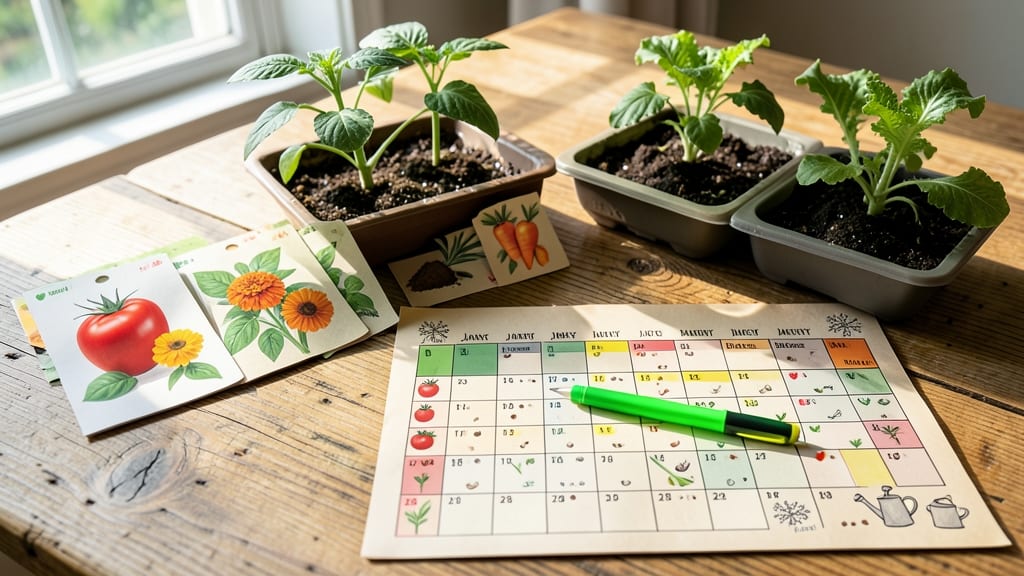
Your garden’s success starts with growing a garden seed schedule—because timing is everything, and missing those windows means fewer tomatoes, sad lettuce, or bolting herbs before you can enjoy them. 🌱 I’ve learned the hard way that planting too early in cold soil or too late in the heat can ruin a whole season, but once you master these zone-specific deadlines, you’ll have a garden that produces like clockwork.
This schedule breaks down exactly when to start seeds indoors, transplant seedlings outdoors, and sow directly into the soil for your zone—whether you’re in frost-prone Zone 4 or mild Zone 10.
We’re talking cool-season crops like spinach and peas in early spring, warm-season favorites such as tomatoes and peppers after the last frost, and fall staples like kale and carrots before the first hard freeze.
Each crop has its own rhythm, and knowing when to start them indoors (like tomatoes 6-8 weeks before last frost) makes all the difference.
By following this plan, you’ll avoid the heartbreak of seedlings rotting in cold soil or bolting in the heat. Instead, you’ll end up with a steady harvest—fresh basil in June, crisp lettuce in September, and winter greens that keep coming even when the air turns crisp.
The best part? You can adjust for your local microclimate by watching for your last frost date and using it as your anchor point for the whole schedule.
Whether you’re a first-timer or a seasoned gardener tweaking your routine, this schedule takes the guesswork out of when to plant. No more second-guessing—just a clear roadmap to a garden that feeds you all season long. Let’s get those seeds in the ground at the perfect time!
📚 In This Guide
- What you need
- Instructions
- Tips and common mistakes
- Wrapping up and next steps
What you need
- ● Seeds: Choose zone-specific varieties (check your USDA Hardiness Zone). Start with 50–100 seeds per plant type (e.g., tomatoes, peppers, herbs) to account for germination rates.
- ● Seed Starting Mix: 1–2 bags (1–2 cubic feet) of sterile, lightweight potting mix (avoid garden soil—it’s too dense!).
- ● Containers: Seed trays or cell packs (50–100 cells) for starting indoors.
- ● Biodegradable pots (50–100) for transplanting seedlings.
- ● Grow Lights or Sunlit Window: A full-spectrum LED grow light (12–16 hours/day) or a south-facing windowsill with consistent sunlight.
- ● Watering Can or Spray Bottle: A gentle spray nozzle (to avoid disturbing seeds) or a small watering can with a fine rose.
- ● Fertilizer: A balanced, water-soluble fertilizer (e.g., 10-10-10) or organic options like fish emulsion or compost tea.
- ● Garden Soil: 1–2 cubic yards of high-quality, well-draining soil amended with compost (for outdoor planting).
- ● Garden Tools: Trowel (for transplanting seedlings).
- ● Pruners (for harvesting or trimming).
- ● Gloves (to protect your hands).
- ● Heat Mat: For cold-starting seeds (e.g., peppers, tomatoes) to speed up germination.
- ● Seedling Heater: A small dome or tent to retain warmth and humidity.
- ● pH Test Kit: To monitor soil pH (ideal range: 6.0–7.0 for most veggies).
- ● Row Cover or Frost Cloth: For protecting tender seedlings from late frosts.
- ● Plant Labels: Waterproof markers or stakes to track varieties and planting dates.
- ● Mulch: Straw or shredded leaves to retain moisture and suppress weeds.
- ● Trellis or Cages: For climbing plants like beans, cucumbers, or peas.
How to plan a Zone-specific seed starting schedule
Here's the straightforward method I use to map out planting deadlines that match your climate.
📅 Step 1: Determine Your USDA Hardiness Zone
Find your zone by entering your ZIP code into the USDA Plant Hardiness Zone Map online—this tells you your last frost date, which is your planting anchor. I always write it down because it changes everything. For example, Zone 5 has a last frost around May 15, while Zone 9 might be January 15.
If you're unsure, check with your local Cooperative Extension office—they have detailed frost data for your exact area. This step prevents overplanting too early or missing deadlines entirely. I've seen beginners plant frost-sensitive seeds like tomatoes in March only to lose them to a late freeze.
⏰ Step 2: Calculate Backward from Last Frost
Most vegetables need 4-8 weeks indoors before transplanting. Cool-season crops like lettuce and peas can go straight in the ground 2-4 weeks before last frost, while warm-season plants like peppers and eggplants need that full 8 weeks. I mark these dates on my calendar with colored dots—red for warm-season starts and green for cool-season.
For example, in Zone 6 (last frost April 15), I start tomatoes March 1 and transplant April 15. If you're in Zone 10 with no frost, you'll focus on succession planting instead. This backward planning ensures seedlings are ready exactly when the ground is workable.
🌱 Step 3: Group Seeds by Maturity Timeline
Divide your seeds into three categories: early (cool-season), mid (transplant-ready), and late (direct-sow after frost). I use a simple spreadsheet with columns for seed type, start date, transplant date, and harvest window. This prevents planting everything at once and guarantees a continuous harvest.
For instance, radishes (30 days) go in March, while corn (90 days) waits until May. Succession planting every 2 weeks keeps your garden productive. I always start with the shortest-season crops first—those are the most time-sensitive.
☀️ Step 4: Adjust for Local Microclimates
Your yard might have pockets of warmth or cold spots. I note where my south-facing windows get sun (for indoor starts) and which garden beds warm up fastest in spring. If your microclimate runs 1-2 weeks earlier than the official frost date, adjust your schedule accordingly.
For example, raised beds warm up faster than in-ground soil, so I plant there 2 weeks earlier. Use a soil thermometer to confirm when the ground reaches 50°F—that's the magic number for cool-season planting. This local tweaking makes all the difference in avoiding frozen seedlings.
✂️ Step 5: Create a Monthly Action Plan
Break your schedule into monthly tasks: January-February (order seeds, plan layout), March-April (start seeds indoors), May (harden off and transplant), June-August (succession plant and maintain). I keep a small notebook by my seed tray with monthly deadlines written in permanent marker.
Set reminders for critical dates like seed starting, transplanting, and harvesting. If you miss a deadline, don't panic—just adjust for next year. I've learned that even the best schedules need flexibility for Mother Nature's surprises.
Tips & tricks for perfect Zone-specific planting timing
Here’s how to avoid the most common planting pitfalls—and make this schedule work flawlessly for your garden.
Zone-Specific Reality Check: The USDA map gives you a starting point, but your actual last frost date can vary by 1-2 weeks depending on elevation and microclimates. I always check my local weather station’s 10-year average for frost dates—it’s more accurate than the general zone guidelines. For example, Denver (Zone 5) might have its last frost on May 10 instead of the official May 15, so I adjust my schedule accordingly.
Visual Calendar System: Instead of just writing dates on paper, I use a color-coded calendar where green dots mark cool-season planting windows and red dots highlight warm-season deadlines. This visual system helps me spot overlaps or gaps at a glance. I also add a third color (yellow) for succession planting reminders—this keeps my garden producing continuously without overcrowding.
Soil Temperature Matters More Than Dates: The 50°F soil temperature rule in Step 4 is non-negotiable for cool-season crops. I test my garden soil with a thermometer every morning in spring—if it’s still below 50°F, I wait even if the calendar says it’s time. Cold soil can stunt seedlings or cause rot, no matter what the date says. For warm-season plants, I wait until soil hits 60°F before transplanting.
Backup Plan for Late Starters: If you miss your ideal planting window (which happens to everyone!), have fast-maturing varieties ready. I keep a list of 30-45 day crops like bush beans, radishes, and spinach on hand for last-minute additions. These can be planted 2-3 weeks after your original deadline and still produce a harvest before frost.
Pro Tips for Grow A Garden Seed Schedule
- Here’s how to avoid the most common planting pitfalls—and make this schedule work flawlessly for your garden.
- Zone-Specific Reality Check: The USDA map gives you a starting point, but your actual last frost date can vary by 1-2 weeks depending on elevation and microclimates.
- Visual Calendar System: Instead of just writing dates on paper, I use a color-coded calendar where green dots mark cool-season planting windows and red dots highlight warm-season deadlines.
Frequently asked questions
Got questions about planning your garden seed schedule?
Here are answers to the most common ones to help you grow with confidence!
What’s the best way to adjust my seed schedule for my specific USDA hardiness zone?
Use your frost dates (average last frost in spring and first frost in fall) as your guide. Most seed packets list days to maturity—count backward from your first frost to determine planting windows. For example, if your zone’s last frost is April 15 and a tomato takes 80 days to mature, plant seeds indoors by February 1 or direct-sow by March 15.
Can I plant seeds too early or too late?
Yes! Planting too early risks frost damage or slow growth, while too late may mean crops don’t mature before cold weather. Check your zone’s USDA Plant Hardiness Zone Map and follow local guidelines. For example, cool-season crops like peas can handle light frosts, but warm-season veggies (like cucumbers) need consistent warmth.
How do I handle a short growing season (e.g., Zone 3 or 4)?
Focus on fast-maturing varieties (look for “early harvest” labels) and succession planting. Start seeds indoors 6–8 weeks before the last frost, use row covers for warmth, and prioritize cold-hardy crops like kale, spinach, and radishes. For warm-season plants, opt for quick growers like bush beans (50–60 days) or zucchini (45–55 days).
What if I miss the ideal planting window?
Don’t panic! Try succession planting (sowing small batches every 2–3 weeks) or opt for cool-season crops in late summer for fall harvests. For warm-season misses, use container gardening (with heat mats) or extend the season with row covers. Some herbs (like basil) and greens (like arugula) can even tolerate light frosts if planted early.
Do I need to adjust my schedule for organic vs. conventional seeds?
Not necessarily! The planting schedule stays the same, but organic seeds may require extra care like compost-rich soil or companion planting to boost resilience. Conventional seeds might need synthetic fertilizers, while organic seeds thrive with natural amendments like worm castings. Focus on soil prep and watering consistency—both types grow best with the right timing!
Wrapping up and next steps
Creating a grow a garden seed schedule tailored to your hardiness zone doesn’t have to be overwhelming—it’s all about timing, preparation, and a little patience! 🌱 By aligning your planting with local climate cues, you’ll set your garden up for success, whether you’re a seasoned green thumb or just starting out. Start small, track your progress, and don’t hesitate to adjust as you learn what thrives in your space.
Ready to take the next step? Grab your calendar, mark those planting deadlines, and get those seeds in the ground! 🌿 Your future harvest is waiting—happy gardening!