
Plants
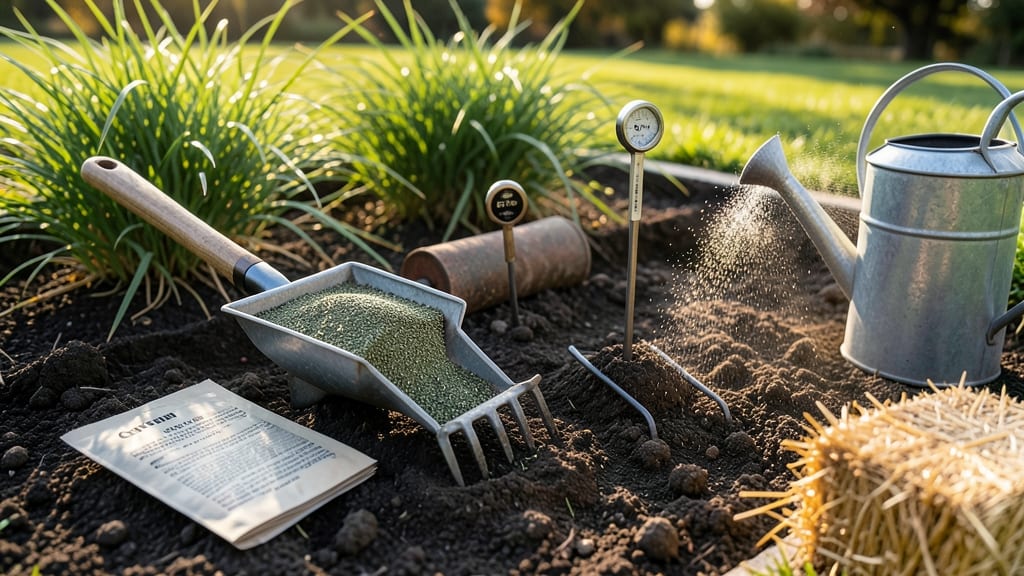
Planting grass seed in Colorado depends on your elevation zone and last frost date — aim for 4-6 weeks before the average April 15 mark in Denver or March 15 in Colorado Springs, depending on your region.
Timing your grass seed planting in Colorado can mean the difference between a lush lawn and wasted effort—especially with the state’s dramatic elevation shifts and unpredictable frost patterns.
In lower elevations like the Front Range, cool-season grasses like Kentucky bluegrass thrive when planted in early spring or early fall, while high-altitude areas may need to wait until soil temperatures reach 50°F before seeding.
Below, I’ll break down the exact frost-free deadlines by zone, how to adjust for microclimates, and the three biggest mistakes that kill grass seed before it even sprouts.
Colorado’s frost-free deadlines for grass seed planting by elevation zone
Colorado’s diverse elevation zones create dramatic differences in last frost dates and soil temperature requirements for grass seed. Planting too early in cold mountain regions or too late in the High Plains can both lead to failed germination.
Understanding your elevation zone is the first step to timing your planting perfectly for cool-season or warm-season grasses.
Most Colorado gardeners focus on cool-season grasses like Kentucky bluegrass and fescue, which thrive in our climate. These varieties need soil temperatures between 50°F and 65°F for optimal germination. Warm-season grasses like buffalo grass prefer warmer soils (70°F+) but are less common in Colorado’s higher elevations.
Below is a detailed breakdown of planting windows by elevation zone, including average last frost dates and soil temperature guidelines for each region. Use these as your guide to avoid common mistakes like planting when frost is still likely or waiting too long in the season.
| Elevation Zone | Last Frost Date | Ideal Planting Window | Soil Temp for Germination | Grass Type Recommendation |
|---|---|---|---|---|
| Front Range (Denver, Boulder, Fort Collins) | April 15 - May 1 | March 15 - April 30 | 50°F - 65°F | Kentucky Bluegrass, Tall Fescue |
| Colorado Springs/Pikes Peak Region | March 20 - April 5 | February 20 - March 31 | 45°F - 60°F | Fine Fescue, Ryegrass |
| Mountain Regions (Aspen, Vail, Telluride) | May 15 - June 1 | April 15 - May 15 | 40°F - 55°F | Creeping Red Fescue, Alpine Bluegrass |
| High Plains (Pueblo, Lamar, Sterling) | April 1 - April 15 | March 1 - April 15 | 55°F - 70°F | Buffalo Grass, Blue Grama |
| Western Slope (Grand Junction, Durango) | March 15 - April 1 | February 15 - March 31 | 50°F - 65°F | Tall Fescue, Wheatgrass |
For the Front Range, including Denver and Boulder, the ideal planting window runs from mid-March through late April. This aligns with soil temperatures that are consistently above 50°F, which is critical for cool-season grass germination.
If you plant too early, late frosts can kill young seedlings, while planting too late may result in heat stress before roots establish.
In Colorado Springs and the Pikes Peak region, gardeners should aim to plant between late February and late March. These areas experience earlier last frosts than Denver, but soil temperatures can still be chilly.
Using a soil thermometer to confirm 45°F+ is a smart move before sowing fine fescue or ryegrass seeds.
High-elevation areas like Aspen and Vail present unique challenges. The last frost often doesn’t occur until mid-May, so planting should wait until mid-April at the earliest. Creeping red fescue and Alpine bluegrass are excellent choices for these zones, as they tolerate cooler soils and shorter growing seasons.
How to adjust planting timing for Colorado’s microclimates and grass types
Colorado’s diverse landscapes mean your planting timeline should shift based on whether you’re in a shady urban yard or a sun-drenched rural field. Urban areas like Denver often experience earlier frost due to heat islands, while rural high plains can stay cold longer.
Always check your USDA zone (4-7) and local frost charts before seeding.
For Kentucky bluegrass and fescue, aim to plant when soil temps hit 50°F—typically mid-April in Denver or late April in Colorado Springs. Buffalo grass, the drought-tolerant native, thrives when planted in late spring (May-June) to avoid early frost damage.
🌱
- 1. Urban vs. Rural Timing: Plant 2-3 weeks earlier in cities (Denver, Colorado Springs) than rural areas due to heat island effect. Use soil thermometers to confirm 50°F+ soil temps.
- 2. Shade Tolerance: Fine fescue thrives in partial shade (3-6 hours sun) and can plant 1-2 weeks later than sun-loving Kentucky bluegrass. Test shade with a sunlight map before seeding.
- 3. Grass Type Deadlines: Cool-season grasses (bluegrass, fescue): March-April or September Warm-season grass (buffalo grass): May-June
- 4. Microclimate Tools: Use frost charts (like Almanac’s Colorado data) and soil thermometers ($15 at garden centers). Aim for 14 days of 60°F+ after planting.
- 5. Elevation Rules: Below 5,000 ft: Plant by April 15 5,000-7,000 ft: Wait until May 1 Above 7,000 ft: Seed in late May-early June
Rural areas often have cooler, drier soils that delay planting. Test your soil’s moisture—if it’s dry 2 inches deep, wait for rain or irrigate lightly before seeding. Buffalo grass is your best bet for high plains, as it germinates faster in warmer, drier conditions than traditional grasses.
For shade-prone yards, creeping red fescue is ideal—it tolerates 2-3 hours of sun daily and can be planted 1-2 weeks later than sun grasses. Always mow higher (3-4 inches) to protect shade grass from heat stress in summer.
🌿
Pro tip: Use straw mulch (not hay) after seeding to retain moisture and protect seedlings from late frosts. In high-elevation zones, cover seeds with row fabric until soil warms consistently above 50°F. Monitor your local Colorado Climate Center for real-time frost alerts.