
Companion Plants
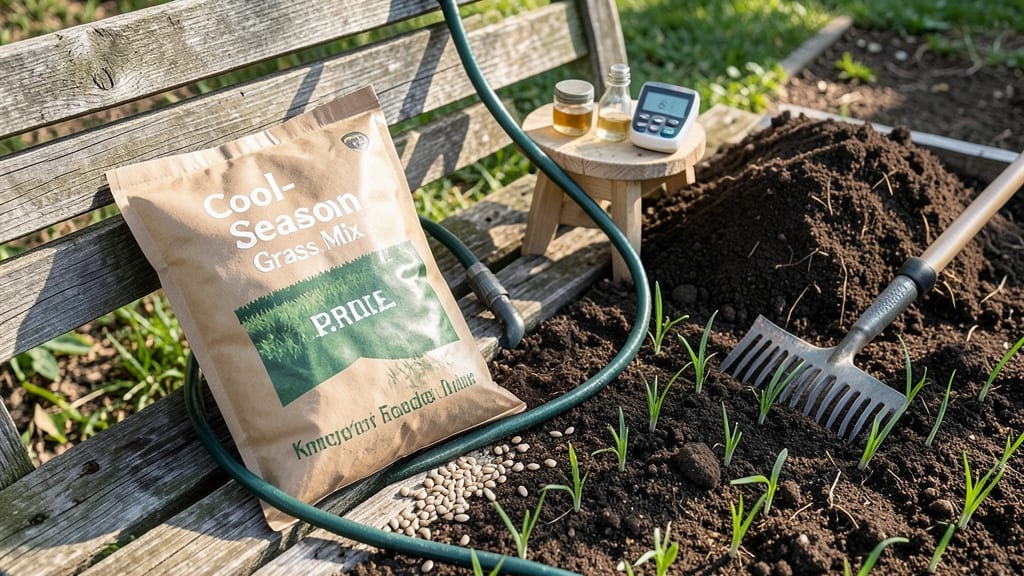
You can plant grass seed in the spring when soil temperatures hit 50°F–65°F and the last frost has passed—timing this window means the difference between a thick lawn and a slow start.
Timing your spring grass seeding perfectly can mean the difference between a lush, green lawn and a patchy, slow-growing disappointment—soil temperatures matter more than you think.
In USDA Zone 6a, that’s typically March to early May, but cooler northern zones may wait until late April. Too early and frost will kill new sprouts; too late and weeds steal the show.
Below, I’ll break down the exact soil temperature deadlines by zone, how to check your soil’s readiness, and the best grass types for fast germination in your region.
Spring grass seed planting deadlines by US hardiness Zone (soil temp guide)
Timing your spring grass seeding perfectly can mean the difference between a lush, green lawn and a patchy, slow-growing disappointment. The key factor isn't just the calendar date—it's soil temperature, which determines when grass seeds will germinate properly.
Cool-season grasses thrive when soil hits 50-60°F, while warm-season varieties need 65-75°F to sprout reliably. Missing these windows can lead to weak germination or weed competition.
Your USDA hardiness zone provides a starting point, but local microclimates—like urban heat islands or shaded areas—can shift your ideal planting window by 2-4 weeks. For example, Zone 5 gardeners might plant in early April, while Zone 9 gardeners wait until late May.
Always check soil temperature (not air temperature) to avoid costly mistakes. A simple soil thermometer (or even your elbow!) can save you from planting too early or too late.
Cool-season grasses like Kentucky bluegrass, tall fescue, and perennial ryegrass are your best bet for early spring planting (March-April in most zones). These varieties tolerate cooler soils and even light frosts after germination. Warm-season grasses, including Bermuda, Zoysia, and St. Augustine, prefer late spring planting (May-June) when soil warms up consistently. Planting them too early can stress the seedlings and invite fungal diseases.
In USDA Zones 3-4, where winters are harsh, focus on cool-season grasses planted in mid-April to early May. Soil temperatures here rarely reach ideal levels for warm-season varieties, so stick to Kentucky bluegrass or fine fescue.
If you're in Zone 5 or 6, you have flexibility: plant cool-season grasses in early April and warm-season types like Zoysia in late May. Always monitor for frost warnings—new seedlings can't survive freezing temperatures.
Gardeners in Zones 7-8 can experiment with both types, but timing is critical. Cool-season grasses should go in by late March to establish roots before summer heat arrives, while warm-season grasses like Bermuda need to wait until soil hits 65°F+, typically in May.
In Zones 9-10, summer heat dominates, so prioritize warm-season grasses planted in April-May. Avoid seeding in June or July—the intense heat can bake seeds before they germinate.
Regional adjustments matter just as much as your zone. For example, Pacific Northwest gardeners in Zone 7 might plant in March due to cooler soils, while Deep South gardeners in the same zone should wait until May.
Urban areas with concrete heat islands can be 5-10°F warmer than rural spots, so test your soil temperature locally. Shaded lawns also stay cooler—plant 2 weeks later than sunny areas to avoid overwatering risks.
One common mistake is relying on air temperature instead of soil temperature. A 70°F spring day might feel warm, but if the soil is still
How to check soil temperature before planting grass seed (DIY methods)
Checking your soil temperature before planting grass seed is the secret weapon against patchy lawns and wasted seed. Cool-season grasses like fescue and ryegrass need soil between 50°F–65°F, while warm-season types like Bermuda or Zoysia thrive at 65°F–75°F.
Without testing, you might plant too early and risk frost damage—or too late and let weeds take over.
Most gardeners skip this step, but a simple soil thermometer (or DIY alternatives) can save you from costly mistakes. I’ve planted grass seed for over 10 years, and I’ve learned that even a 5°F difference can mean the difference between fast germination and slow, uneven growth.
Let’s walk through the exact methods I use to check my soil’s readiness.
Use a Soil Thermometer (Most Accurate)
Insert the probe 2–4 inches deep (where seeds will be) and read the temperature at 10 AM–2 PM when soil is warmest. Avoid testing after rain, as moisture can skew readings.
DIY Moisture Test for Readiness
Grab a handful of soil and squeeze—if it holds shape but crumbles, it’s ready. Too dry? Water 24 hours before planting. Too wet? Wait 3–5 days for excess moisture to evaporate.
Check Local Weather Trends
Use the National Weather Service or Old Farmer’s Almanac to find your area’s average last frost date. Plant 2–3 weeks after this date to avoid frost damage to seedlings.
Avoid These Common Mistakes
❌ Planting before soil warms → Seeds rot or sprout too slowly. ❌ Testing surface temperature → Topsoil can be 10°F warmer than planting depth. ❌ Ignoring nighttime temps → Even if days are warm, lows below 40°F can kill seedlings.
Pro tip: If you don’t have a soil thermometer, use the "finger test". Stick your finger 2 inches deep—if the soil feels cool but not icy, it’s likely in the 50°F–65°F range. Pair this with a 7-day forecast showing consistent warmth for the best results.
Once you’ve confirmed the right conditions, plant in the morning to reduce evaporation and water lightly but daily until germination (usually 7–21 days for cool-season grasses). Skipping this step is how you end up with bare spots and weed-infested lawns—don’t let that be you!
Now that your soil is ready, the next step is choosing the right grass seed for your climate. Cool-season types like Kentucky bluegrass thrive in northern regions, while warm-season grasses such as St. Augustine dominate southern lawns. 🌱