
Companion Plants
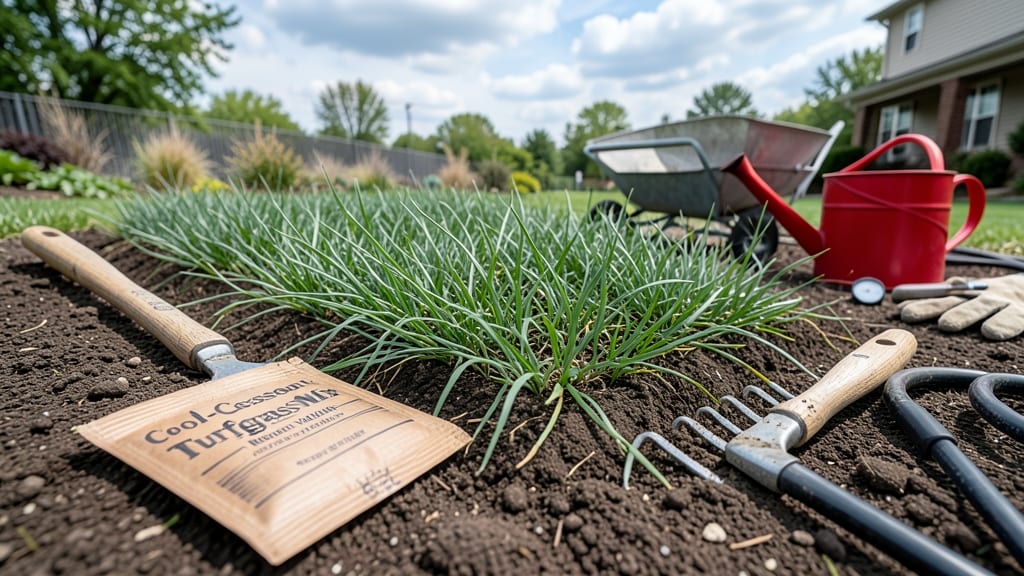
You can plant grass seed in Michigan when soil temperatures hit 50°F and stay above it consistently, typically between early April and mid-May for spring or September for fall.
Michigan’s unpredictable spring weather can turn a perfect grass-seeding opportunity into a costly gamble—plant too early and frost kills your seedlings, too late and summer heat stresses them. Timing is everything, and getting it right means lush, weed-resistant lawns by summer’s end.
Most of the state falls in USDA zones 5b-6b, where last frost dates range from mid-April in southern Michigan to early May in the north. Fall planting offers a second chance—just avoid seeding 6 weeks before the first frost, or your grass won’t establish before winter.
Below, I break down the exact soil temps to watch for, how to adjust for Michigan’s microclimates, and the 3 key steps to ensure your grass seed germinates fast and stays weed-free all season.
Michigan grass-seeding timeline by USDA hardiness zone (soil temp & frost dates)
Michigan spans USDA zones 4a-6b, meaning your last frost dates can vary by 4-6 weeks from the Upper Peninsula to Detroit. Getting your grass seed timing right means checking soil temperatures (ideal: 50-65°F) and local frost averages.
Plant too early, and frost will kill tender seedlings; too late, and summer heat stresses them before establishment.
Spring is the primary planting window for most Michigan lawns, but fall seeding (September-October) offers cooler temps and fewer weeds. Northern Michigan (zones 4a-5a) has later frost dates than southern areas (zones 5b-6b), so adjust your schedule accordingly.
Always test soil temps with a soil thermometer—it’s your best guide.
Key factors for Michigan grass-seeding success: • Soil temperature (must stay above 50°F for 7+ days) • Frost-free window (6-8 weeks minimum for full establishment) • Seed variety (cool-season grasses like Kentucky bluegrass or tall fescue thrive in Michigan)
| USDA Zone | Avg. Last Frost | Ideal Planting Window | Soil Temp Requirement | Backup Window |
|---|---|---|---|---|
| 4a (Upper Peninsula) | May 15–20 | Late May–June 15 | 55–65°F (min 7 days) | September 1–15 |
| 5a (Northern Lower) | May 1–10 | April 20–May 30 | 50–60°F (min 5 days) | September 10–25 |
| 5b (Central) | April 20–May 5 | April 1–May 15 | 50–65°F (min 5 days) | September 15–October 1 |
| 6a (Southwest) | April 10–20 | March 15–April 30 | 50–60°F (min 5 days) | September 20–October 10 |
| 6b (Southeast) | April 5–15 | March 1–April 15 | 50–65°F (min 5 days) | September 25–October 15 |
For northern Michigan (zones 4a-5a), wait until soil temps hit 55°F—cold soils delay germination. In southern Michigan (zones 5b-6b), you can start as early as March 15 if temps stay above 50°F. Use a soil thermometer to confirm readiness; don’t rely on air temps alone.
Fall planting is ideal for Michigan because cooler temps reduce weed competition and stress on seedlings. Aim to seed 4-6 weeks before first frost—this gives grass time to establish roots before winter dormancy.
In zone 6b, that’s often September 25–October 15; in zone 4a, shift to September 1–15.
If Michigan’s unpredictable spring throws off your timeline, use black plastic mulch or straw blankets to warm soil faster. For late springs, choose fast-germinating varieties like annual ryegrass (germinates in 5-7 days at 60°F) to buy time. Always check your local Michigan State University Extension frost maps for yearly adjustments.
Pro tip:
How to adjust planting time for Michigan’s unpredictable weather (pro tips)
Michigan’s unpredictable spring frost and late summer heatwaves can derail even the best-laid grass-seeding plans. The key? Flexibility. I’ve learned to adjust planting dates based on soil temperature, not just the calendar.
A 50°F soil is your minimum—any colder, and seeds won’t germinate, no matter how eager you are to see green.
For northern Michigan (USDA Zones 4a-5a), I wait until late April or early May when the ground finally thaws. In southern Michigan (Zones 5b-6b), I might start as early as mid-March, but I always double-check with a soil thermometer.
If you’re unsure, straw mulch or black plastic sheets can warm the soil by 5–10°F in just days.
I’ve also had success with fall planting in September, especially in Zone 6b. The cooler air and reduced weed pressure give grass seedlings a fighting chance. Just avoid planting after mid-October, or seeds may not establish roots before winter dormancy.
For late springs, I’ve used ryegrass cover crops as a temporary solution. Plant them in early spring, let them grow for 6–8 weeks, then mow them down before seeding your permanent grass mix. The ryegrass shades out weeds and leaves behind organic matter that improves soil structure.
Remember, patience is your best tool in Michigan. Rushing leads to thin, patchy lawns, while waiting for the right conditions ensures a thick, resilient turf that survives the state’s extreme weather swings. 🌱