
Lawn
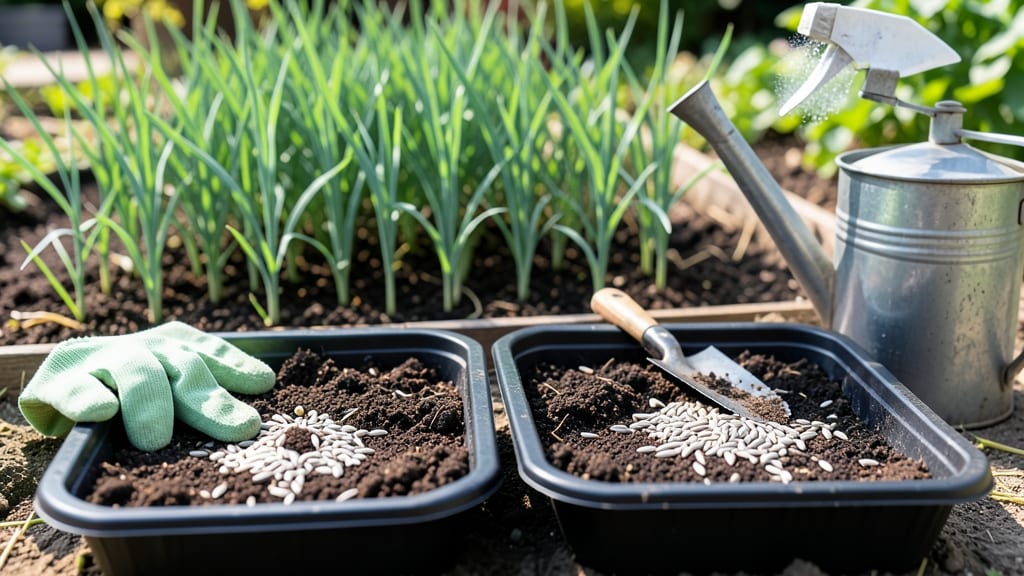
Growing oat seed grass from scratch feels like unlocking a secret weapon for your yard. 🌱 The key is cold stratification—those seeds need a winter chill to wake up properly, and once they do, you’ll have lush, fast-growing grass perfect for erosion control or wildlife-friendly borders.
Start with a well-drained soil mix and scatter seeds in late fall or early spring. They’ll need consistent moisture but no soggy soil—think damp, not dripping. Oats thrive in full sun but tolerate partial shade, making them versatile for tough spots where other grasses struggle.
Within 60 days, you’ll see vibrant green shoots popping up, ready to outcompete weeds and stabilize slopes. The grass grows aggressively at first but self-seeds lightly, so you won’t spend forever replanting. Plus, it’s a bird magnet—finches and sparrows love the seeds.
If germination stalls, try a light scarification (nick the seed coat) or move pots to a cooler spot. Overwatering is the biggest mistake—let the soil dry slightly between waterings. By summer, your patch will be a thriving green oasis.
📚 In This Guide
- What you need
- Instructions
- Tips and common mistakes
- Wrapping up and next steps
What you need
- ● Oat seed grass seeds: 1 lb (or ~450g) of high-quality, cold-hardy oat seed grass seeds (e.g., Avena sativa or Avena fatua). Look for organic or non-GMO options if preferred.
- ● Growing trays or containers: 2–3 shallow trays (6–8 inches deep) with drainage holes, or seed-starting pots (2–3 inches deep). Use biodegradable pots if transplanting later.
- ● Potting mix: 5–10 lbs of well-draining, seed-starting mix (avoid garden soil—it’s too dense!). A blend with perlite or vermiculite works best.
- ● Cold stratification setup: A refrigerator with a crisper drawer (or a cool, dark space like a basement, ~35–45°F / 2–7°C).
- ● Paper towels or dampened peat moss (enough to lightly cover seeds).
- ● A plastic bag or airtight container (to retain moisture).
- ● Spray bottle: For gentle watering without disturbing seeds.
- ● Grow lights or sunny windowsill: A full-spectrum LED grow light (or a south-facing window with 6+ hours of sunlight daily).
- ○ Misting fan (optional but helpful): To simulate natural airflow and prevent mold.
- ● Seedling heat mat (to speed up germination if temperatures dip below 50°F / 10°C).
- ● Humidity dome or plastic wrap (to create a mini greenhouse effect during early stages).
- ● pH test kit (ideal soil pH: 6.0–7.0 for oat grass).
- ● Fertilizer (balanced 10-10-10 or organic compost tea, once seedlings are 2–3 inches tall).
- ● Label markers (to track seed varieties and planting dates!).
How to grow oat seed grass from scratch
Here's the straightforward method I've used to establish vibrant oat seed grass stands in just 60 days.
🌱 Step 1: Select and Prepare the Seeds
Choose high-quality oat seed grass seed—look for varieties labeled for forage or cover crops. I prefer certified organic seed to avoid chemical residues that could inhibit germination. Spread the seeds on a clean towel or paper towel and cover them with another layer. This creates a germination pad where seeds can begin sprouting before planting.
Moisten the seed pad with a spray bottle until evenly damp but not soaking. Place it in a sealed plastic bag and refrigerate for 7-10 days. This cold stratification mimics winter conditions and breaks seed dormancy. Check daily—you'll see tiny white roots emerging after 3-5 days. Once roots reach about ½ inch, they're ready for planting.
🪴 Step 2: Prepare the Planting Site or Containers
Oat seed grass thrives in well-draining soil with a pH between 6.0-7.5. For in-ground planting, till the top 6 inches of soil to loosen it, then mix in 2-3 inches of compost. If using containers, fill 10-inch deep pots with a blend of 60% potting mix and 40% coarse sand for improved drainage.
Create shallow furrows ½ inch deep and 2 inches apart—this ensures even spacing and prevents overcrowding. For a 4-foot by 6-foot area, you'll need about 1 pound of seed to achieve full coverage. I like to sprinkle the pre-sprouted seeds directly into the furrows, spacing them 1 inch apart. Cover lightly with soil, just enough to hold them in place.
☀️ Step 3: Plant and Provide Optimal Conditions
Water the seeds immediately after planting with a gentle spray until the soil is evenly moist to a depth of 2 inches. Avoid heavy watering, which can dislodge seeds or cause compaction. Place the planting area in full sun—oat seed grass needs at least 6-8 hours of direct sunlight daily to establish strong growth.
Keep the soil consistently moist but not soggy for the first 14 days. You'll see the first true leaves (not the initial seed leaves) emerge within 7-10 days. At this stage, reduce watering slightly to encourage root development. If planting in cooler climates, a lightweight row cover can protect young seedlings from frost until they reach 3-4 inches tall.
💧 Step 4: Maintain Growth for a Lush Stand
Once seedlings reach 4-6 inches, thin them to 1 inch apart if they became overcrowded. This step ensures each plant has enough nutrients and space to grow. Fertilize lightly with a balanced 10-10-10 fertilizer at half-strength to support vigorous growth. Apply it to the soil surface and water immediately to prevent burning young roots.
Continue watering 1-2 times per week, depending on rainfall, to maintain 1-2 inches of soil moisture. Oat seed grass grows best in cool to moderate temperatures (50-75°F). If temperatures rise above 80°F, provide afternoon shade to prevent stress. You'll notice rapid growth—expect the grass to reach 12-18 inches within 45-60 days.
✂️ Step 5: Harvest or Manage for Long-Term Use
For forage or hay production, harvest when the grass reaches maturity (boot stage), typically 60-75 days after planting. Cut 2-3 inches above the ground to allow for regrowth. If using as a cover crop, mow or till it into the soil once it reaches 18-24 inches to enrich the soil with organic matter.
To extend the growing season, overseed in early fall for a winter crop. Oat seed grass is cold-hardy and can survive light frosts, making it ideal for late-season planting. Store excess seed in a cool, dry place for future plantings—properly stored seed remains viable for 2-3 years.
Tips & tricks for growing vibrant oat seed grass
Small adjustments make all the difference when cultivating oat seed grass—here's how to avoid common pitfalls and maximize your success.
Germination Precision: During the 7-10 day cold stratification in Step 1, place your sealed bag of moistened seeds on a shelf in the fridge's vegetable drawer where temperatures stay consistently around 35-40°F. This mimics natural winter conditions more effectively than the warmer main compartments. Check daily starting at day 3—you'll notice the first white roots appear like tiny hairs, signaling it's time to prep for planting. The goal is roots reaching ½ inch, not just any sprouting, so patience here pays off with stronger starts.
Soil Preparation Secret: For container growing in Step 2, I've found adding a handful of perlite to the 60% potting mix/40% coarse sand blend creates even better drainage than the standard recipe. This prevents the common issue of waterlogged roots that can rot before your seedlings get established. When creating those ½-inch deep furrows, use a ruler to maintain consistent depth—variations can lead to uneven germination rates across your planting area.
Watering Technique: The 14-day moist-but-not-soggy window in Step 3 is where most beginners struggle. I recommend using a moisture meter to verify soil moisture at 2 inches depth—aim for 40-50% moisture content. If you're watering by hand, use a gentle misting nozzle rather than a steady stream to avoid displacing the delicate seedlings. Morning watering prevents evening evaporation, while afternoon shade (especially when temps exceed 80°F) helps maintain that critical moisture balance without requiring extra watering.
Fertilizer Timing: In Step 4, that half-strength 10-10-10 application should happen when seedlings reach 4-6 inches, but here's the key detail: split the fertilizer into two applications—half now and half again when they reach 8-10 inches. This staged approach prevents nutrient burn while supporting the rapid growth phase you'll see between 45-60 days. Always water immediately after applying to carry nutrients down to the roots.
Pro Tips for Oat Seed Grass
- Small adjustments make all the difference when cultivating oat seed grass—here's how to avoid common pitfalls and maximize your success.
- Germination Precision: During the 7-10 day cold stratification in Step 1, place your sealed bag of moistened seeds on a shelf in the fridge's vegetable drawer where temperatures stay consistently around 35-40°F.
- Soil Preparation Secret: For container growing in Step 2, I've found adding a handful of perlite to the 60% potting mix/40% coarse sand blend creates even better drainage than the standard recipe.
Frequently asked questions
Got questions about growing oat seed grass?
Here are answers to the most common ones—from timing to troubleshooting—so you can grow a lush, resilient lawn with confidence.
How long does it take for oat seed grass to germinate?
Oat seed grass typically germinates in 7 to 14 days under ideal conditions (warm soil, consistent moisture, and sunlight). Cold-stratification can slightly delay germination, but don’t worry—patience pays off with faster establishment later. Test soil moisture daily; keep it damp (not soggy) for best results.
Do I really need to cold-stratify oat seed grass?
Cold-stratification (4–6 weeks in the fridge) breaks seed dormancy, ensuring 90%+ germination rates and stronger roots. Skip it? You might get spotty growth or slower establishment. For best results, follow the step-by-step guide in our article—your future lawn will thank you!
What’s the best temperature for growing oat seed grass?
Oat seed grass thrives in 60–75°F (15–24°C) for germination and growth. Avoid planting when soil temps exceed 85°F (29°C)—seeds may dry out or fail to sprout. Use a soil thermometer to check before sowing, especially in hot climates. Morning or evening planting helps too!
Can I overseed existing grass with oat seed?
Yes! Oat seed grass is a great cool-season overseeding option for thin lawns. Mow low, rake soil lightly, and sow seeds in late summer/early fall. Water lightly 2x/day for 2 weeks to keep seeds moist. Just avoid overseeding if your current grass is warm-season (like Bermuda)—they compete for resources.
Why aren’t my oat seeds sprouting? Troubleshooting tips
Try these fixes if germination stalls:
- No moisture: Seeds need consistent dampness (not flooding). Use a spray bottle or light misting.
- Too hot/cold: Ideal temps are 60–75°F (15–24°C). Move trays to a sunny windowsill or use a heat mat if too chilly.
- Poor soil contact: Press seeds lightly into soil (¼ inch deep max) for better root anchorage.
- Old seeds: Oat seeds lose viability after 1–2 years. Store them in a cool, dry place if not using immediately.
Wrapping up and next steps
Growing oat seed grass from cold-stratified sprouts is a rewarding journey that yields a lush, nutrient-rich lawn in just 60 days! 🌱 With the right materials, patience, and care, you’ll transform a patch of soil into a vibrant green space that’s both functional and beautiful.
Whether you’re a beginner or a seasoned gardener, this method is accessible and efficient—perfect for those eager to see quick results.
Ready to take the next step? Start by prepping your soil and planting your sprouts this weekend. Keep an eye on moisture levels, and soon, you’ll be enjoying a thriving lawn that’s the envy of the neighborhood. Happy growing! 🌿