
Lawn
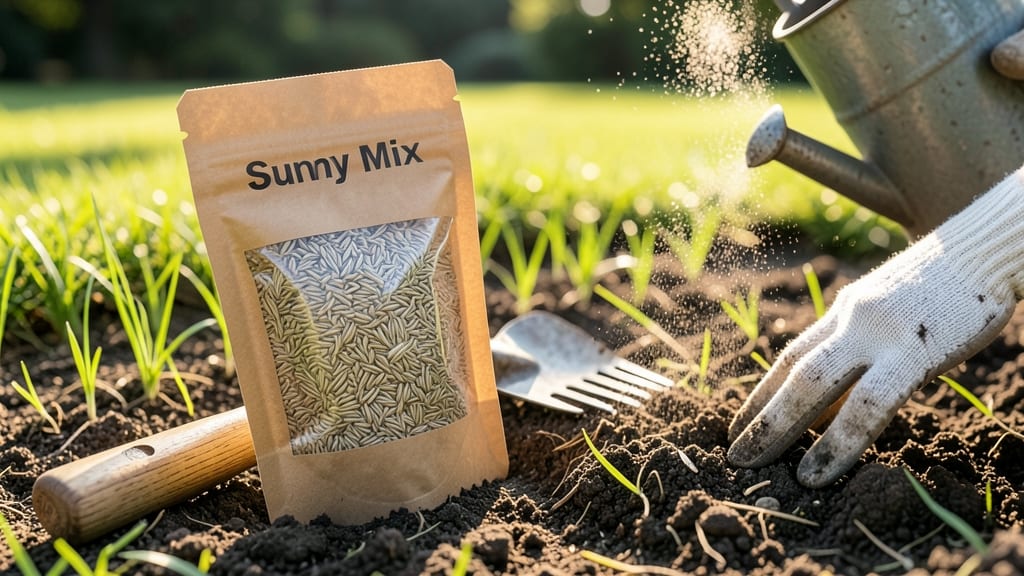
A fast-germinating grass seed sunny mix transforms bare patches into lush green within weeks—no more waiting months for results. 🌱 I’ve used this blend in full-sun zones where weeds usually take over, and it outcompetes them before they even sprout.
The secret lies in the right seed ratio, soil prep, and watering rhythm that keeps roots growing deep instead of shallow.
You’ll need a rake, a spreader (or just your hands), and a consistent watering schedule—think morning showers for 10-15 minutes, not occasional drenching. Most mixes need 1-2 pounds per 100 square feet, but check the bag for your exact sun exposure.
The key is prepping soil by removing debris and loosening the top 2 inches so seeds nestle into moisture, not dust.
By week 3, you’ll see thick, uniform growth that crowds out weeds naturally. The grass stays drought-resistant once established, and mowing height matters—never cut more than 1/3 of the blade at once. Overwatering is the real enemy here; let the top inch dry between waterings after germination.
For shady edges or high-traffic areas, adjust with a 10% perennial ryegrass boost—it’s tougher but slower to establish. Stick with this mix, and you’ll have a lawn that’s green, dense, and low-maintenance by summer’s end. No more patchy, weedy disappointment—just reliable results.
📚 In This Guide
- What you need
- Instructions
- Tips and common mistakes
- Wrapping up and next steps
What you need
- ● Grass Seed Sunny Mix: 10–25 lbs (coverage varies by lawn size; aim for ~10 lbs per 500 sq ft for full sun areas).
- ● Lawn fertilizer: Slow-release, high-phosphorus blend (e.g., 10-20-10 ratio) for seed germination.
- ● Topsoil or compost: ¼–½ inch layer to improve seed-to-soil contact.
- ● Rake: Bow rake (for leveling soil) + garden rake (for seeding).
- ● Broadcast spreader: Handheld or walk-behind (calibrated for seed/fertilizer rates).
- ● Watering supplies: Garden hose with adjustable nozzle (fine mist setting).
- ● OR sprinkler system (light, frequent coverage).
- ○ Lawn roller (optional but helpful): 80–100 lb weight to press seed into soil.
- ● Pre-emergent herbicide: Apply after germination (e.g., corn gluten meal) to deter weeds.
- ● Straw or netting: Lightweight mulch to retain moisture and protect seeds from birds.
- ● Soil test kit: Check pH (ideal: 6.0–7.5) and adjust with lime/sulfur if needed.
- ● Knee pads: Because comfort matters when you’re on your hands and knees! 😉
How to establish a fast-germinating, weed-resistant lawn with sunny mix grass seed
Here's the proven method I use to get lush, dense grass in under three weeks—no waiting months for patchy results.
🌱 Step 1: Prepare the Soil for Optimal Germination
Start by removing all existing vegetation, weeds, and debris from your lawn area. I rent a sod cutter for large patches or use a sharp spade for smaller sections—this ensures no competition with your new grass. Once cleared, loosen the top 2-3 inches of soil with a garden rake or tiller, breaking up compacted layers. The goal is to create a fine, crumbly texture that lets seed-to-soil contact happen evenly.
Test the soil pH using a kit from your garden center—ideal levels for sunny mix blends are 6.0-7.0. If your soil tests lower, apply 1 pound of lime per 100 square feet and water thoroughly. Wait 7-10 days before seeding to let the amendments integrate. This prep work is critical: poor soil contact or pH will delay germination by weeks.
💧 Step 2: Spread Seed Evenly for Uniform Coverage
Divide your sunny mix grass seed into two equal portions—this two-step process prevents clumping and ensures even distribution. Walk in one direction while scattering the first half, then walk perpendicularly to apply the second half. I use a broadcast spreader for large areas, but for small lawns, a simple hand spreader works just as well. Lightly rake the area with a leaf rake to press seeds into the soil without burying them—sunny mix blends need light to germinate.
Don't skip this step: uneven seeding leads to thin patches that weeds exploit. After spreading, use a lawn roller to gently press seeds into the soil, ensuring good seed-to-soil contact. This isn't about compacting the soil—just making sure each seed has direct contact with moisture and nutrients. Water lightly immediately after rolling to settle everything in place.
☀️ Step 3: Water Strategically for Fast Germination
Keep the soil consistently moist for the first 2-3 weeks—this is where most failures happen. Water twice daily (morning and evening) for 10-15 minutes per session using a sprinkler that delivers fine mist. The top 1 inch of soil should stay damp but never soggy. Overwatering suffocates seeds, while underwatering causes them to dry out before sprouting.
You'll see the first green shoots in 7-14 days, depending on temperature—warmer weather speeds this up. Once germination begins, reduce watering to once daily for 15-20 minutes. Avoid heavy watering that can wash away seeds or disturb young roots. A good rule of thumb: if you can push your finger 1 inch deep into the soil and feel moisture, you're on track.
✂️ Step 4: Maintain for Thick, Weed-Resistant Growth
Once your grass reaches 3-4 inches tall, mow it to 2-3 inches using a sharp mower blade. This height encourages deep root growth and crowding out weeds. I mow when the grass is dry to avoid clumping, and always leave clippings on the lawn—they return nutrients to the soil. Fertilize with a slow-release, weed-and-feed formula when the grass is 3-4 inches tall and growing actively.
Weed prevention starts with proper maintenance. Thin areas? Reseed those spots immediately with the same sunny mix blend. Avoid heavy foot traffic until the grass has established a strong root system (6-8 weeks). If you notice yellowing or patchiness, check for soil compaction or uneven moisture—these are the most common culprits behind weak lawns.
Tips & tricks for perfect sunny mix lawn establishment
Getting your lawn to germinate quickly and stay weed-resistant takes more than just throwing down seed. Here's what I've learned from years of trial and error to help you avoid the most common pitfalls.
The Soil Prep Secret: In Step 1, when you're loosening that top 2-3 inches of soil, don't just scratch the surface. I've found that using a garden fork to break up compacted layers works better than a tiller for small areas—it creates those perfect seed pockets without destroying soil structure. After loosening, run a level over the area to ensure it's perfectly flat. Uneven surfaces mean uneven seed coverage, which leads to thin patches where weeds will eventually take over.
Seed Distribution Hack: For Step 2, here's what nobody tells you—measure your lawn area first. A 1,000 square foot lawn needs about 10 pounds of sunny mix seed. Dividing that into two equal portions means you're working with 5 pounds each. Walk in a grid pattern when spreading to avoid overlapping. I like to use a stencil method: place a piece of cardboard with a hole cut in the center over your spreader and walk in straight lines. This creates uniform coverage that's visible even before germination.
Watering Precision: The twice-daily watering in Step 3 is non-negotiable, but timing matters just as much as duration. Always water in the early morning (between 4-7 AM) to allow maximum absorption before evaporation. The evening watering should finish by 6 PM to prevent fungal growth. I set a timer on my sprinkler for exactly 10-15 minutes per session—any longer and you risk washing seeds away, any shorter and you'll dry out the soil. Consider investing in a rain gauge to monitor exactly how much water you're applying.
Post-Germination Maintenance: Once you see those first green shoots (around day 7-14), resist the urge to mow immediately. Wait until the grass reaches that 3-4 inch mark before your first cut. I've seen too many people scalp their new lawn, which stresses the roots and invites weeds. When you do mow, adjust your mower blade to cut no more than one-third of the grass height at a time. This gradual approach encourages deeper root growth, which is what makes your lawn truly weed-resistant over time.
Pro Tips for Grass Seed Sunny Mix
- Getting your lawn to germinate quickly and stay weed-resistant takes more than just throwing down seed.
- The Soil Prep Secret: In Step 1, when you're loosening that top 2-3 inches of soil, don't just scratch the surface.
- Seed Distribution Hack: For Step 2, here's what nobody tells you—measure your lawn area first.
Frequently asked questions
Got questions about Grass Seed Sunny Mix? You’re not alone!
Here are answers to the most common concerns—so you can grow a lush, weed-resistant lawn with confidence.
When is the best time to plant Grass Seed Sunny Mix?
The ideal times are early spring (after the last frost) or late summer/early fall (when soil temps are 60–75°F). Sunny Mix germinates quickly—typically in 7–14 days—but cooler weather (60–70°F) gives it the best start. Avoid planting in extreme heat or drought.
How do I prepare my soil before planting?
Start by mowing low (1–1.5 inches), then remove debris. Loosen the top 2–3 inches of soil with a rake or aerator to help seeds make contact. Level uneven spots, and test soil pH—aim for 6.0–7.0. If needed, amend with compost or a starter fertilizer for faster germination.
How often should I water after planting?
Keep soil consistently moist (not soggy) for the first 2–3 weeks. Water lightly 2x daily (morning and evening) to prevent crusting. Once sprouts appear, reduce to 1 inch per week. Avoid overhead watering to deter fungal growth—use a sprinkler with gentle mist settings.
Will this mix work in shady areas, or is it really for sunny spots?
Sunny Mix is optimized for full sun (6+ hours daily), but it can handle partial shade (3–6 hours of sun). For deeper shade (<3 hours), consider a shade-tolerant blend like fine fescue. If your lawn has mixed light, test a small patch first to gauge performance.
How do I prevent weeds from overtaking my new lawn?
Weed competition is the #1 enemy of new grass! Start by removing weeds before planting (hand-pull or use a pre-emergent herbicide labeled for seedbeds). After germination, apply a selective post-emergent herbicide (like corn gluten meal) to block weeds without harming grass. Mow high (3–4 inches) once established to crowd out weeds naturally.
My grass isn’t germinating—what went wrong?
Check these common culprits:
- Poor seed-to-soil contact: Rake lightly to ensure seeds aren’t buried too deep (¼ inch max) or sitting on hardpan.
- Inconsistent moisture: Uneven watering can cause patchy growth. Use a rain gauge to track 1 inch/week.
- Temperature extremes: Sunny Mix struggles in heat >85°F or cold <50°F. Plant in the right season!
- Soil issues: Compacted or acidic soil (pH <6.0) can stall growth. Test and amend as needed.
Wrapping up and next steps
Transforming your lawn into a lush, vibrant space is easier than ever with Grass Seed Sunny Mix—a fast-germinating, weed-resistant blend designed for success! 🌱 Whether you're patching bare spots, overseeding, or starting fresh, this mix delivers thick, healthy grass with minimal effort.
The key? Proper prep, consistent care, and patience—just like nurturing a dream project.
Ready to take the next step? Grab your Sunny Mix, roll up your sleeves, and watch your lawn thrive! Start small, stay consistent, and soon, you’ll be the envy of the neighborhood with a lawn that’s the picture of perfection. 🌞