
Lawn
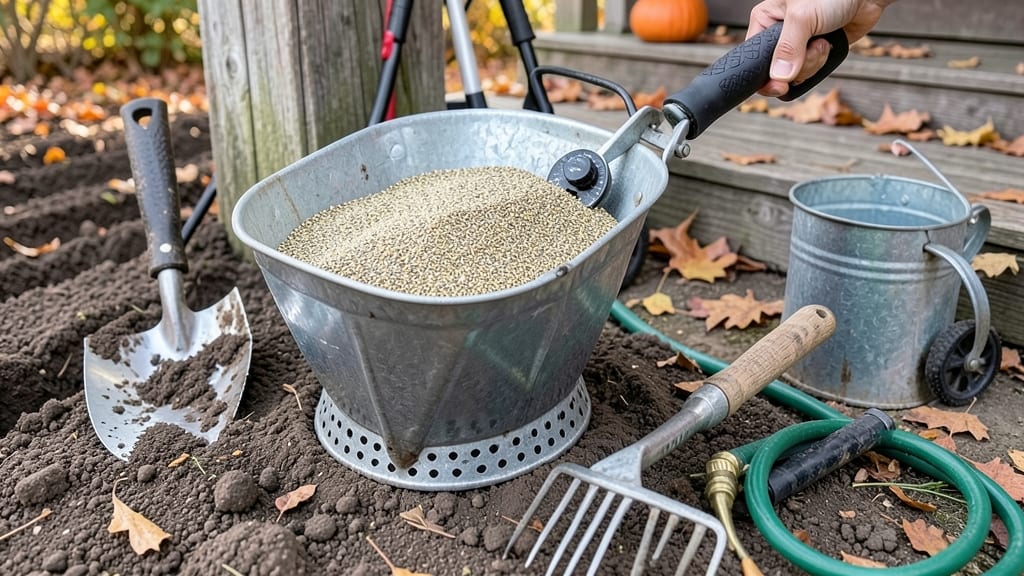
The best time to seed grass in the fall is late September—when soil stays warm enough for deep roots but summer heat has faded. 🌱 I learned the hard way that planting too early means battling weeds, while waiting too long risks frost damage before germination.
The key is timing it right for your zone, whether that's late summer in the South or early fall in cooler climates. Soil prep makes all the difference: rake out weeds, loosen the top 2-3 inches, and mix in compost for nutrients.
A light layer of starter fertilizer gives seeds the boost they need, while a thin layer of straw protects them from drying winds. Most people skip this step—and wonder why their lawn looks patchy.
By October, you'll see sprouts pushing through the soil, and with consistent watering (about ¼ inch daily), those roots will establish strong enough to survive winter. The result? A lush, uniform lawn next spring that outpaces neighbors who planted in spring.
For Southern Hemisphere gardeners, flip the calendar: aim for March-April seeding when temperatures mirror the Northern fall. The principle stays the same—warm soil, cool air, and minimal competition from weeds. Here's how to nail it every time.
📚 In This Guide
- What you need
- Instructions
- Tips and common mistakes
- Wrapping up and next steps
What you need
- ● Grass seed: Choose a high-quality, cool-season blend (e.g., Kentucky bluegrass, tall fescue, or perennial ryegrass). Aim for 5-10 lbs per 1,000 sq ft, depending on your grass type and desired density.
- ● Lawn mower (or string trimmer): Set the blade to 1-2 inches high to prevent shading the new seedlings.
- ● Rake (bow or stiff-bristle): Use a metal or hard plastic rake to loosen soil and remove debris. A garden rake works for light soil prep.
- ○ Soil test kit (optional but recommended): Test your soil’s pH and nutrient levels. Ideal pH for seeding is 6.0-7.0. Adjust with lime (to raise pH) or sulfur (to lower pH) if needed.
- ● Starter fertilizer (low-nitrogen, high-phosphorus): Look for a 10-20-10 or 5-10-5 ratio. Apply ½ lb per 100 sq ft before seeding.
- ● Compost or topsoil: Spread a ¼-inch layer over bare spots to improve seed-to-soil contact.
- ● Water source (hose with sprinkler or watering wand): Ensure even, gentle watering. Aim for ¼-inch of water per day for the first 2 weeks.
- ● Mulch or straw: Use ¼-inch thick to retain moisture and protect seeds from birds. Avoid dyed mulch.
- ○ Lawn roller (optional but helpful): Lightly roll seeded areas to press seed into soil (avoid heavy compaction).
- ● Seed spreader: A broadcast or drop spreader ensures even distribution. Manual or electric options work.
- ● Soil aerator (core or spike): For compacted soil, rent or use a core aerator to create ¼-inch deep holes every 3-4 inches.
- ● Pre-emergent herbicide (if needed): Apply 4-6 weeks before seeding to prevent weeds (choose a grass-safe option).
- ● Lawn thermometer: Monitor soil temperature—ideal range for seeding is 60-75°F.
- ● Bird netting: Protect seeds from hungry birds with lightweight netting over seeded areas.
How to time fall grass seeding for maximum success
Here's the method I trust to get thick, weed-resistant lawns every fall—no guesswork involved.
🌱 Step 1: Check Soil Temperature for Optimal Germination
Wait until daytime soil temperatures consistently stay between 60-70°F—this is your sweet spot for fall seeding. I test by sticking a thermometer 2 inches deep in the soil at midday for three days in a row. If it's cooler than that, wait a week or two—cold soil slows germination and invites disease.
This window usually falls in late September to early October in most climates, but check your local weather patterns. The goal is to give seeds 4-6 weeks of warm soil before winter slows things down. You'll see the first sprouts in 7-14 days if conditions are right.
☀️ Step 2: Choose the Right Day for Seeding
Pick a day when 5-7 days of dry weather are forecasted—this prevents seeds from washing away or sitting too wet in the soil. I always seed in the late afternoon when temperatures start cooling, which reduces stress on the newly planted grass. Avoid seeding after heavy rain or when frost is predicted within 48 hours.
This timing gives seeds time to establish roots before nighttime temperatures drop. You'll know you've picked the right day when the soil is warm but not hot to the touch and the forecast shows steady, gentle rains—not downpours. If you seed too early in fall, grass may grow too fast and weaken before winter.
💧 Step 3: Prepare the Soil and Plant Seeds
Loosen the top 2-3 inches of soil with a rake or tiller to create a fine, crumbly texture—this helps roots penetrate easily. Remove any existing weeds or debris, then spread ½ pound of grass seed per 100 square feet evenly over the area. I use a broadcast spreader for large lawns, but a hand spreader works fine for small patches.
Lightly rake the seeds into the soil so they're covered with ¼ inch of dirt—this protects them from birds and wind while keeping them in contact with moisture. Water immediately after seeding to settle the soil and seeds, then keep the area consistently moist (not soggy) for the first two weeks. You'll see the first green sprouts in 7-14 days if moisture and temperature are ideal.
⏰ Step 4: Maintain Moisture and Light for Establishment
Water once daily for the first two weeks, providing ¼ inch of water each time. After that, reduce to 2-3 times per week until the grass reaches 3-4 inches tall. I water in the early morning to minimize evaporation and reduce disease risk. Avoid heavy watering that can wash away seeds or disturb young roots.
Keep the area free of foot traffic until the grass is mowed for the first time—this protects the delicate seedlings. If weeds start popping up, hand-pull them immediately rather than letting them compete with your new grass. You'll know your seeding was successful when the lawn turns a deep, even green and feels springy underfoot.
Tips & tricks for perfect fall grass seeding
These simple tricks will help you avoid common pitfalls and get the best possible results from your fall grass seeding.
Soil Temperature Secret: The 60-70°F window is critical because it gives seeds the perfect balance of warmth for germination without inviting fungal diseases that thrive in cooler soil. I've seen seeds fail to sprout when soil was just 55°F—don't rush it! Use a soil thermometer at 2 inches deep for three days running to confirm you're in that sweet spot. This is especially important in northern climates where fall cools quickly.
Weather Watching: That 5-7 day dry forecast is non-negotiable—wet soil can suffocate seeds and wash them away. I always check the extended forecast and pick a day when gentle rains are predicted, not downpours. The late afternoon timing reduces heat stress on newly planted seeds while giving them time to settle into the soil before evening temperatures drop.
Seed Placement Technique: When you rake seeds to cover them with ¼ inch of soil, make light passes to avoid burying them too deeply. I've learned this the hard way—seeds need light to germinate, and too much coverage can prevent sprouting. For large areas, use a drop spreader first to distribute seeds evenly, then go over with a hand rake to lightly incorporate them.
Watering Wisdom: The first two weeks are critical for moisture—aim for that ¼ inch daily, but check with your finger. If the top inch of soil feels damp, hold off until it's dry again. I use a rain gauge to measure exactly how much water I'm applying, and I always water in the early morning to prevent fungal growth from overnight moisture. A light misting from a sprinkler works better than heavy streams that can wash seeds away.
Pro Tips for Best Time To Seed Grass In Fall
- These simple tricks will help you avoid common pitfalls and get the best possible results from your fall grass seeding.
- Soil Temperature Secret: The 60-70°F window is critical because it gives seeds the perfect balance of warmth for germination without inviting fungal diseases that thrive in cooler soil.
- Weather Watching: That 5-7 day dry forecast is non-negotiable—wet soil can suffocate seeds and wash them away.
Frequently asked questions
Got questions about seeding grass in the fall? You’re not alone! Here are answers to the most common concerns—so you can get your lawn looking its best without the guesswork.
What’s the exact window for fall seeding?
For most regions, aim for 4–6 weeks before your first hard frost—typically late September to early October. Cool nights (50–60°F) and warm days (70–80°F) create ideal conditions for germination. Check your local frost dates to fine-tune timing!
Can I seed grass if frost is already in the forecast?
If frost hits before seeds sprout (usually 7–21 days), your grass won’t establish. Wait until temperatures stabilize above freezing for at least a week. If frost is imminent, consider spring seeding instead—just know it requires more watering.
How often should I water after seeding?
Keep soil consistently moist (not soggy!) for the first 2–3 weeks. Water lightly 2–3 times daily (morning, afternoon, evening) to encourage root growth. Once sprouts reach 2–3 inches, taper to deep, infrequent watering (1 inch per week).
What if my lawn already has weeds? Should I seed anyway?
Yes, but prep first! Mow existing grass short, then apply a pre-emergent herbicide (like corn gluten meal) to suppress weeds. For stubborn patches, spot-treat with vinegar or a natural weed killer before seeding. Fall is a great time to outcompete weeds with fresh grass!
What’s the best grass type for fall seeding in my climate?
Choose based on your zone:
- Cool-season grasses (Kentucky bluegrass, fescue, ryegrass): Ideal for fall—plant in late summer/early fall.
- Warm-season grasses (Bermuda, Zoysia, St. Augustine): Seed in spring; fall is for overseeding only in mild climates.
Wrapping up and next steps
Fall is your golden window to grow a thicker, greener lawn—and late September is the perfect time to seed! By choosing the right moment, you’ll give your grass roots a strong foundation before winter, ensuring a lush spring comeback. Don’t wait—soil warmth and shorter days are your allies!
Ready to take action? Grab your supplies, mark your calendar, and start seeding before the first frost! Your future lawn will thank you. 🌱✨