
Lawn
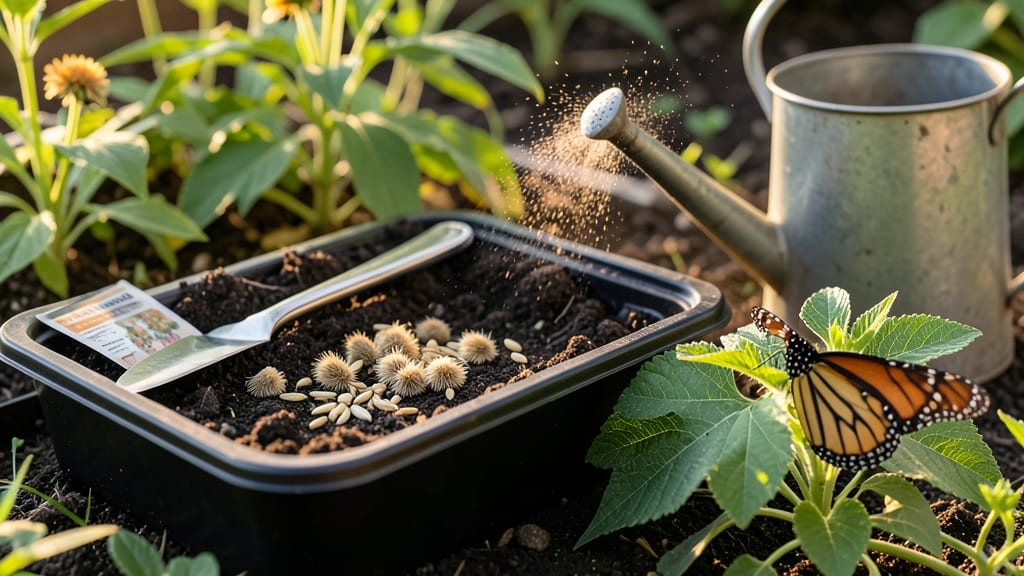
Your monarch butterfly seed mix isn’t just a garden—it’s a lifeline for one of nature’s most beloved travelers. 🌿 I’ve watched my backyard transform from a quiet patch of grass to a fluttering, orange-and-black paradise in just three seasons, all thanks to the right blend of milkweed and nectar plants.
The secret lies in pairing native milkweed—Asclepias species—for hungry caterpillars with nectar-rich blooms like coneflowers and bee balm. Monarchs won’t just visit; they’ll linger, lay eggs, and return year after year.
Start with well-draining soil, full sun, and a patient watering schedule—these seeds need time to wake up from dormancy. By late summer, you’ll see the payoff: caterpillars munching milkweed leaves, adults sipping nectar, and maybe even a chrysalis hanging from a stem.
The best part? This mix thrives in small spaces, from window boxes to full sun gardens. Confession: My first attempt failed when I skipped the milkweed. Don’t make that mistake—this blend works only when both food sources are present. Let’s get those seeds in the ground!
📚 In This Guide
- What you need
- Instructions
- Tips and common mistakes
- Wrapping up and next steps
What you need
- ● Seeds: Milkweed seeds (Asclepias spp.) – 10-20 seeds per sq. ft. (critical for monarch caterpillars)
- ● Nectar-rich wildflower seeds – 5-10 seeds per sq. ft. (e.g., Liatris, Echinacea, or Salvia)
- ○ Native grasses (optional but beneficial) – 3-5 seeds per sq. ft. (e.g., Little Bluestem)
- ● Soil: Well-draining, native topsoil or compost mix (1-2 cubic yards for a 100 sq. ft. area)
- ● Watering tools: Hose with a gentle spray nozzle or watering can
- ● Gloves & knee pads (for easy planting)
- ● Garden tools: Hand trowel or small rake
- ● Garden fork (for loosening soil)
- ● Mulch: Straw or wood chips (1 inch thick) to retain moisture
- ● Fertilizer: Slow-release, organic fertilizer (e.g., fish emulsion or compost tea)
- ● Sunlight tracker: Full-sun area (6+ hours/day) for best results
Step-by-Step guide to creating a monarch butterfly seed mix
Here's how to craft a nectar-rich blend that will transform your garden into a monarch magnet.
🌱 Step 1: Select the Right Native Seed Varieties
Monarchs rely on native plants for both nectar and host plants. Start with milkweed seeds (Asclepias spp.)—the only host for monarch caterpillars—as your foundation. Add nectar-rich annuals like black-eyed Susan (Rudbeckia hirta) and purple coneflower (Echinacea purpurea), both proven favorites. Include perennials like butterfly weed (Asclepias tuberosa) for long-term blooms. Avoid non-native plants; monarchs evolved with local species and won’t recognize invasive alternatives.
Purchase certified organic seeds from reputable suppliers to ensure disease-free, genetically stable varieties. I like to mix 3 parts milkweed to 1 part nectar plants—this ratio provides both food sources while preventing overcrowding. Store seeds in a cool, dark place until planting to maintain viability.
🌿 Step 2: Prepare the Planting Site
Monarchs need full sun (6+ hours daily) and well-draining soil. Test your soil’s pH—most native plants thrive in slightly acidic to neutral (6.0–7.0). Amend heavy clay with compost or sand to improve drainage, as milkweed roots rot in soggy conditions. Clear existing vegetation in a 4-foot by 4-foot area (or larger for bigger gardens) to give plants room to establish.
Loosen the top 6 inches of soil with a garden fork, breaking up compacted layers. Monarchs are sensitive to pesticides, so avoid synthetic fertilizers. Instead, mix in 2 inches of compost to provide slow-release nutrients. Water the area deeply to settle the soil before planting.
💧 Step 3: Plant Seeds at the Correct Depth and Spacing
Milkweed seeds are tiny and need light to germinate, so don’t bury them. Scatter seeds on the soil surface and press them in lightly with your fingers—just enough to ensure they stay in place. Space milkweed seeds 12–18 inches apart to allow airflow and reduce disease risk. For nectar plants, follow packet instructions (typically 6–12 inches apart for annuals, 18–24 inches for perennials).
Cover seeds with a thin layer of mulch (¼ inch) to retain moisture without blocking light. Water gently with a fine mist until the soil is damp ½ inch deep. Avoid overwatering—monarchs prefer drought-tolerant plants, and soggy soil invites fungal issues. Keep the area moist (not wet) until germination, which can take 7–21 days depending on temperature.
☀️ Step 4: Maintain for Continuous Blooms
Once seedlings emerge, thin them to the desired spacing. Monarchs need continuous nectar, so deadhead spent blooms regularly to encourage new flowers. Water deeply once a week (or more in extreme heat) to establish roots, then taper off to once every 10–14 days—native plants thrive with minimal intervention. Mulch around plants with 2 inches of organic matter (like shredded leaves) to suppress weeds and retain moisture.
Monitor for pests like aphids or spider mites, which can stress plants. If needed, use neem oil (applied at dusk) to protect monarchs and pollinators. Avoid broad-spectrum insecticides—even "organic" ones can harm caterpillars. By mid-summer, your mix should burst with color, drawing monarchs in for feeding and egg-laying.
⏰ Step 5: Extend the Season with Strategic Planting
For year-round appeal, stagger planting times. Sow early spring (when soil reaches 50°F) for first blooms, and late summer (after Labor Day) for fall color. Perennials like butterfly weed will return yearly, while annuals like black-eyed Susan self-seed if left undisturbed. Add fall-blooming asters (Symphyotrichum) to provide late-season nectar before monarchs migrate.
Track blooming cycles by marking plants with flags. Aim for overlapping bloom times—monarchs need nectar from early spring through frost. A well-timed mix ensures they’ll linger longer, increasing your chances of spotting caterpillars or chrysalises. With patience, your garden will become a stopover on their annual journey.
Tips & tricks for a thriving monarch butterfly garden
Between us, monarchs don’t just need seeds—they need the right conditions to thrive. These simple strategies will help you create a garden that becomes a true butterfly haven.
Seed Selection Wisdom: The 3:1 milkweed-to-nectar ratio is perfect, but here's what I've learned: not all milkweed seeds are created equal. Look for local ecotypes (region-specific varieties) when possible—they're better adapted to your climate and more resistant to diseases. For example, Asclepias tuberosa (butterfly weed) thrives in dry conditions, while Asclepias syriaca (common milkweed) prefers moister soil. Mixing these gives you insurance against environmental challenges.
Soil Preparation Secret: That 6-inch soil loosening in Step 2 is crucial, but don't stop there. I've found adding a handful of mycorrhizal fungi to the planting hole helps native plants establish stronger root systems. These beneficial fungi form symbiotic relationships with plant roots, improving nutrient and water uptake—especially important for milkweed's deep taproots. You can find mycorrhizal powders at garden centers or make your own from local soil.
Germination Game-Changer: The instructions mention keeping soil damp until germination, but here's what nobody tells you—warmth speeds it up. If your spring is cool, create a mini greenhouse effect by covering the planted area with clear plastic sheeting (secured with rocks) for the first week. This raises soil temperature by 10-15°F and can cut germination time from 21 days to just 7-10 days. Just remember to remove it once sprouts appear to prevent overheating.
Pest Prevention Pro Tip: While neem oil is excellent for established plants, I've had better success with companion planting in Step 1. Interspersing your milkweed with marigolds and nasturtiums deters aphids naturally. These plants release compounds that repel pests while attracting beneficial insects like ladybugs. Plus, they add beautiful color that monarchs find irresistible—it's like creating a butterfly buffet with built-in pest control.
Pro Tips for Monarch Butterfly Seed Mix
- Between us, monarchs don’t just need seeds—they need the right conditions to thrive.
- Seed Selection Wisdom: The 3:1 milkweed-to-nectar ratio is perfect, but here's what I've learned: not all milkweed seeds are created equal.
- Soil Preparation Secret: That 6-inch soil loosening in Step 2 is crucial, but don't stop there.
Frequently asked questions
Got questions about creating the perfect monarch butterfly haven with your seed mix? You’re not alone! Here are answers to the most common queries to help you get started with confidence.
What’s the best time of year to plant monarch butterfly seed mix?
Plant your mix in early spring (March–April) or late summer (August–September) for optimal results. Monarchs rely on milkweed (included in many blends) for caterpillars, and these timing windows ensure flowers bloom when butterflies are active. Avoid fall planting—frost can kill tender seedlings!
Can I plant monarch butterfly seed mix in containers or just gardens?
Containers, window boxes, or raised beds work great—just use well-draining soil and pots at least 6–12 inches deep. Opt for lightweight blends (like Lantana or Mexican Sunflower) if space is tight. Hang containers near sunny spots to maximize butterfly traffic!
What if I don’t see monarchs after planting?
Patience is key! Monarchs may take 2–4 weeks to appear after flowers bloom. To troubleshoot:
Yes! Pair your seed mix with:
Most monarch-friendly blends thrive in full sun (6+ hours/day), but a few shade-tolerant options exist:
Are there non-seed alternatives to attract monarchs?
Will this seed mix work in shady areas?
For deep shade, supplement with a hummingbird feeder—monarchs will still visit for water!
Wrapping up and next steps
Growing a monarch butterfly seed mix is a rewarding way to support these iconic pollinators while adding vibrant beauty to your garden. 🌸 With the right blend of native flowers, you’ll create a haven that attracts monarchs and other beneficial insects—helping sustain their declining populations.
Start small, stay consistent, and watch your garden transform into a buzzing, fluttering paradise!
Ready to take the next step? Plant your seeds today and share your progress with fellow gardeners—every patch of nectar makes a difference! 🌱