
Lawn
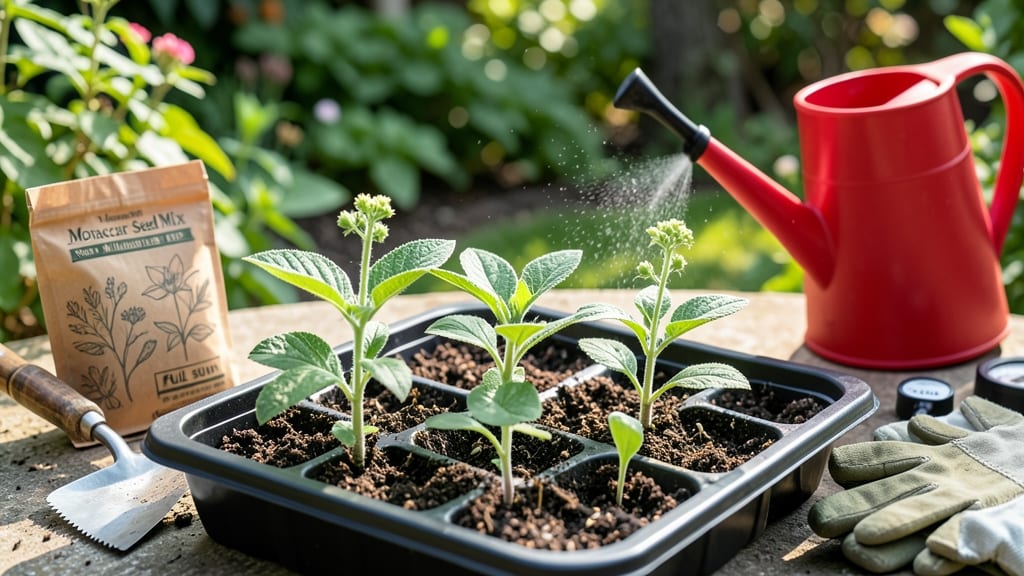
Your monarch seed mix transforms a patch of land into a caterpillar cafeteria and butterfly bar by midsummer. 🌼 I planted mine last April, and by June, the garden was alive with fluttering orange wings and chubby striped caterpillars—exactly what the monarchs need to thrive.
The secret lies in pairing milkweed (their only food source) with nectar-rich flowers that fuel adult butterflies on their migration.
Most mixes include fast-growing milkweed varieties like tropical milkweed or common milkweed, alongside blooms such as bee balm, coneflowers, and black-eyed Susans. These plants attract monarchs at every life stage, from egg to fluttering adult.
The best part? You’ll see results in just 60 days—no waiting years for mature plants. Even a small 3x6-foot plot can make a difference for these declining pollinators.
Planting is simple: scatter seeds in full sun, keep soil moist, and watch the magic unfold. By late summer, your garden won’t just look beautiful—it’ll buzz with life. The caterpillars will strip milkweed leaves clean, and the adults will sip nectar until their wings grow heavy with pollen.
This isn’t just gardening; it’s creating a lifeline for one of nature’s most iconic species.
Works in gardens, meadows, or even containers—just ensure you avoid pesticides, which can harm monarchs at every stage. Ready to turn your yard into a monarch magnet? Let’s get those seeds in the ground.
📚 In This Guide
- What you need
- Instructions
- Tips and common mistakes
- Wrapping up and next steps
What you need
- ● Monarch seed mix (pre-mixed or custom blend): 1–2 lbs of seeds (e.g., milkweed, coneflower, black-eyed Susan, or asters)
- ● Ensure mix includes Asclepias (milkweed) varieties—critical for monarch caterpillars!
- ● High-quality potting soil or native soil: 5–10 gallons (depends on planting area)
- ● Well-draining, organic-rich soil (amend with compost if needed)
- ● Watering can or hose with gentle spray nozzle
- ○ Garden gloves (optional but recommended) 🧤
- ● Garden trowel or hand shovel (for digging small holes)
- ● Measuring tape or ruler (to space seeds 6–12 inches apart)
- ● Sunlight access: Full sun (6+ hours/day) for best growth
- ○ Optional but helpful: Mulch (to retain moisture)
- ● Seed starter trays (if pre-sprouting indoors)
- ● Bird netting (to protect young seedlings from pests)
How to grow a thriving monarch butterfly garden in 60 days
Here's the method I've used for years to create a vibrant pollinator haven that attracts monarchs and keeps them coming back.
🌱 Step 1: Select and Prepare Your Planting Site
Choose a location that receives full sun—at least 6 hours of direct sunlight daily. Monarchs prefer open, sunny areas where they can easily spot nectar sources. Clear away any weeds or competing vegetation in a 4-foot diameter circle to give your new plants room to establish.
Loosen the soil to a depth of 6 inches with a garden fork or tiller, breaking up any compacted layers. Monarchs love well-draining soil, so if your area holds water after rain, amend it with a 2-inch layer of compost to improve drainage and fertility. This step ensures your plants won't struggle with soggy roots, which can stunt growth and deter pollinators.
🌿 Step 2: Sow the Monarch Seed Mix at the Right Time
Plant your monarch seed mix in early spring, about 2-3 weeks before your last expected frost date. This timing gives seeds enough time to germinate and establish before summer heat arrives. Scatter the seeds evenly over the prepared soil, spacing them about 12-18 inches apart to allow for full growth without overcrowding.
Cover the seeds with a thin layer of soil—no more than ¼ inch deep. Lightly press the soil down to ensure good seed-to-soil contact, which helps with moisture absorption and germination. Water gently but thoroughly right after planting to settle the soil and provide the moisture seeds need to sprout. Avoid overwatering, as this can wash seeds away or create a soggy environment that invites disease.
☀️ Step 3: Maintain Consistent Moisture and Light
Keep the soil evenly moist for the first 4-6 weeks after planting, which is critical for seedling establishment. Water deeply 2-3 times per week, ensuring the top 2 inches of soil remain moist but not waterlogged. You'll know you've got it right when the soil feels like a damp sponge—squeeze it gently, and it should hold its shape without dripping.
Once seedlings emerge, thin them to stand 12 inches apart to prevent competition for sunlight and nutrients. This spacing gives each plant enough room to grow strong and healthy, which is essential for attracting monarchs. Monitor the plants daily for signs of pests like aphids or spider mites, which can quickly weaken young seedlings. If you spot any, treat them immediately with neem oil or insecticidal soap to protect your pollinator garden.
⏰ Step 4: Encourage Blooms for Maximum Pollinator Appeal
To ensure your monarch seed mix produces abundant blooms, fertilize lightly with a balanced, slow-release fertilizer (like 10-10-10) when the plants are about 6 inches tall. Apply it according to package instructions, usually about ¼ cup per 10 square feet. This step boosts flower production without overfeeding, which can lead to lush foliage but fewer blooms—something monarchs rely on for nectar.
Deadhead spent flowers regularly to encourage continuous blooming throughout the growing season. Simply pinch off faded blooms with your fingers or pruning shears, and you'll prompt the plant to produce more flowers. This practice keeps your garden looking vibrant and ensures a steady supply of nectar for monarchs as they migrate through your area. Aim to deadhead every 2-3 weeks during peak blooming season.
🌿 Step 5: Add Supporting Plants for a Complete Pollinator Habitat
While your monarch seed mix is growing, consider adding a few milkweed plants—monarch caterpillars rely exclusively on milkweed for food. Plant them in clusters of 3-5 plants to create a visible feeding station for migrating monarchs. These plants should be spaced about 18-24 inches apart to allow for their full, bushy growth habit.
Incorporate a variety of native flowers into your garden to provide nectar throughout the season. Plants like coneflowers, black-eyed Susans, and bee balm complement your monarch mix beautifully and extend the blooming period. This diversity not only supports monarchs but also attracts other pollinators like bees and butterflies, creating a thriving ecosystem. Mulch around the base of your plants with 2-3 inches of organic mulch to retain moisture, suppress weeds, and regulate soil temperature—all of which contribute to healthier plants and more blooms.
Tips & tricks for perfect monarch butterfly gardens
Here's what I've learned from years of growing thriving monarch habitats—these small details make all the difference between a good garden and one that truly thrives.
Site Selection Secrets: While full sun is essential, pay special attention to wind exposure in Step 1. Monarchs prefer sheltered spots where they can rest during migration. If your location is windy, consider planting near a fence or wall that can act as a natural windbreak while still allowing plenty of sunlight. This subtle adjustment can double your success rate with these delicate pollinators.
The Right Time for Planting: When determining your frost date in Step 2, check your local agricultural extension service for precise dates—these can vary by 1-2 weeks depending on your microclimate. I've seen gardens fail when planted too early because of unexpected late frosts. If you're unsure, err on the side of planting slightly later rather than risking seed damage from cold snaps.
Watering Wisdom: The 4-6 week moisture window in Step 3 is your critical period—this is when roots establish. I've found that using a soaker hose set on a timer for 10 minutes twice daily works better than hand watering. This method delivers consistent moisture without the risk of overwatering, and it saves you time while keeping the soil evenly damp. The "damp sponge" test is perfect, but don't rely on it alone—also check the soil 1-2 inches down with your finger.
Bloom Boosting: For Step 4's fertilizer application, I recommend mixing your 10-10-10 with a handful of bone meal when the plants reach 6 inches. The extra phosphorus encourages stronger root development and more abundant blooms. And when deadheading, use clean, sharp pruners rather than fingers—this prevents spreading disease between plants while making the process faster and more precise.
Pro Tips for Monarch Seed Mix
- Here's what I've learned from years of growing thriving monarch habitats—these small details make all the difference ...
- Site Selection Secrets: While full sun is essential, pay special attention to wind exposure in Step 1. Monarchs prefe...
- The Right Time for Planting: When determining your frost date in Step 2, check your local agricultural extension serv...
Frequently asked questions
Got questions about growing a monarch-friendly garden with seed mixes? We’ve got answers!
Whether you’re a beginner or a seasoned gardener, these FAQs will help you plant, maintain, and troubleshoot your pollinator paradise.
What’s the best time to plant monarch seed mix?
For most regions, sow seeds in early spring (after the last frost) or late summer (60–90 days before the first frost). Monarch caterpillars thrive on milkweed, so plant it when adult butterflies are active (May–July in many areas). Check your seed packet for region-specific timing!
Do I need to prepare the soil before planting?
Yes! Monarch seed mixes grow best in well-draining soil with moderate moisture. Loosen the top 2–3 inches of soil, remove weeds, and mix in compost for nutrients. Avoid heavy clay or waterlogged areas—these can stunt growth. Pro tip: A light rake helps create a fine seedbed for tiny seeds!
Can I use monarch seed mix in containers or small spaces?
Many pollinator-friendly seeds (like milkweed and coneflowers) thrive in containers, window boxes, or raised beds. Use a high-quality potting mix, ensure drainage holes, and choose compact varieties like Asclepias tuberosa (butterfly weed). Just give them 5–6 hours of sunlight daily for best results.
Why aren’t my monarch seeds germinating?
Common issues include too much shade, overwatering, or old seeds. Most monarch-friendly seeds need warmth (60–75°F) and light to sprout. Try pressing seeds lightly into soil (don’t bury deep) and keep the area moist but not soggy. If seeds are over a year old, replace them—they may have lost viability.
Are there alternatives if monarchs don’t visit my garden?
Don’t worry! Even if monarchs are scarce, your seed mix still attracts bees, hummingbirds, and other pollinators. Offer native wildflowers (like bee balm or goldenrod) and avoid pesticides. You can also plant host-specific seeds (e.g., parsley for swallowtail butterflies) to diversify your garden’s appeal.
Wrapping up and next steps
Growing a monarch seed mix is your chance to make a real difference—one butterfly at a time! 🦋 With just a little patience and care, you’ll transform your yard into a vibrant haven for these majestic pollinators in as little as 60 days.
Every seed sown today helps secure a brighter tomorrow for monarchs and your local ecosystem.
Ready to take action? Start planting now! Grab your seed mix, pick a sunny spot, and watch your garden bloom with purpose. Your future monarch visitors will thank you—one wing flap at a time. 🌸✨