
Lawn
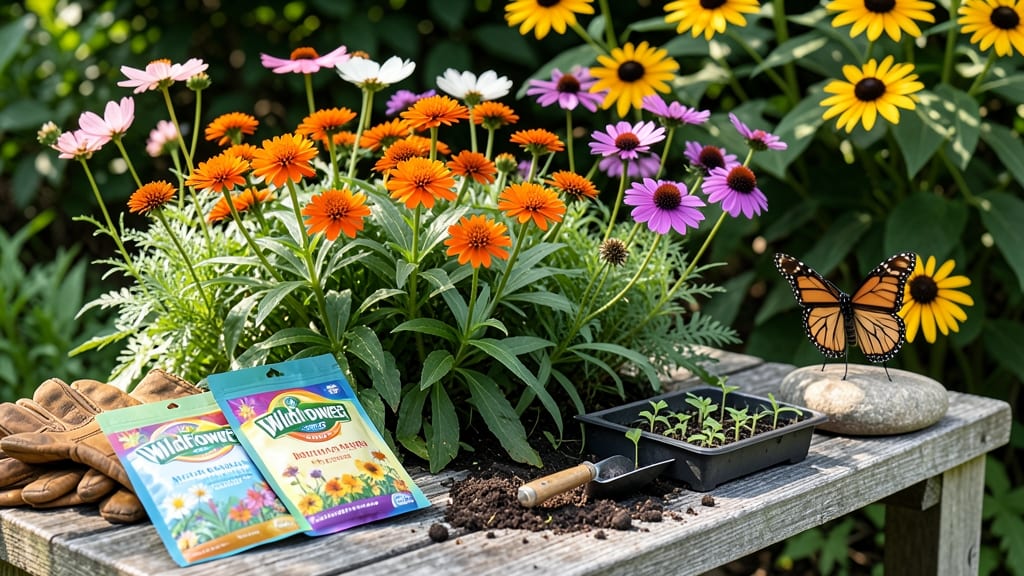
Transforming your yard into a butterfly magnet starts with this fast-germinating seed mix that blooms in as little as 6 weeks. 🌿 I’ve planted mine in every corner of the garden—along fences, in wildflower patches, and even in containers—and the results never fail to amaze.
Within months, the air hums with wings, and the colors pop like a living painting.
The secret lies in the right soil, timing, and a little patience. You’ll need well-draining soil (amend with compost if yours is heavy), full sun for 6+ hours daily, and consistent moisture until the seeds sprout.
Most mixes include milkweed, coneflowers, and black-eyed Susans—all butterfly favorites. The key is to plant when nights stay above 50°F, usually in early spring or late summer.
By midsummer, you’ll see clusters of blooms that attract monarchs, swallowtails, and skippers. The garden becomes a buzzing ecosystem where kids can watch caterpillars turn into butterflies. Even better? These plants thrive with minimal care—just deadhead spent blooms to encourage more flowers and watch the cycle continue.
Pair with native grasses like little bluestem or add a small water source (a shallow dish with rocks) to make it irresistible. Whether you’re a beginner or a seasoned gardener, this project delivers instant impact for pollinators—and your soul. Let’s get those seeds in the ground!
📚 In This Guide
- What you need
- Instructions
- Tips and common mistakes
- Wrapping up and next steps
What you need
- ● Butterfly-attracting wildflower seeds (1–2 lbs total)—Mix native varieties like Milkweed (for monarchs), Black-Eyed Susan, Coneflower, and Butterfly Weed. Aim for a blend of annuals and perennials for continuous blooms.
- ● Well-draining potting soil or seed-starting mix (2–3 gallons)—Ensure it’s sterile and free of weeds or pests.
- ● Planting containers or seed trays (with drainage holes)—Use biodegradable pots or trays for easy transplanting.
- ● Watering can or spray bottle (with fine mist setting)—Keep seeds moist without oversaturating.
- ● Garden gloves and a small hand trowel—For gentle handling and precision planting.
- ● Clear plastic wrap or a humidity dome—To retain moisture during germination.
- ● A seedling heat mat (if starting indoors in cool climates) to speed up germination.
- ● Organic compost or worm castings (1 cup) to boost soil fertility.
- ● Label markers and sticks to track seed varieties and planting dates.
- ● Bird netting (if planting outdoors) to protect young sprouts from hungry birds.
Step-by-step guide to planting a butterfly seed mix
Here's how to create a vibrant pollinator haven using fast-germinating wildflower seeds.
🌱 Step 1: Prepare Your Planting Site
Choose an area with full sun exposure (6+ hours daily)—butterfly magnets like milkweed, coneflowers, and black-eyed Susans thrive in open spaces. Clear existing vegetation and loosen the top 4-6 inches of soil with a garden fork, breaking up any compacted layers. This ensures roots can establish quickly, which is critical for those fast-germinating seeds.
For containers, fill them with well-draining potting mix and create small mounds of soil to scatter seeds on. I like to use shallow trays or wide pots because these mixes spread easily. The key is to mimic natural conditions—wildflowers often grow in open, sunny meadows where competition for space is minimal.
💧 Step 2: Scatter Seeds and Lightly Cover
Spread seeds evenly across the prepared area, aiming for about 1/4 teaspoon per square foot. Don't worry about perfect spacing—these seeds germinate quickly and self-sow prolifically. For containers, sprinkle seeds over the soil surface and press them in lightly with your fingers or a small board.
Cover with a thin layer of soil—just enough to hide the seeds, which is usually about 1/8 inch deep. If you're planting in a garden bed, a light raking will do the trick. Here's the thing—these seeds need light to germinate, so avoid burying them too deeply. You'll see the first sprouts within 7-14 days, depending on your climate.
☀️ Step 3: Water Gently and Maintain Moisture
Water the area thoroughly right after planting, using a gentle spray or fine mist to avoid displacing seeds. The soil should be moist but not soggy—think of it as dampening a sponge, not soaking it. For containers, water until it drains from the bottom, then place them in a shallow tray to catch excess.
Keep the soil consistently moist for the first 3-4 weeks until seedlings are established. You'll know you're doing it right when the soil surface looks slightly damp but not glistening. After that, reduce watering to about 1 inch per week, letting the topsoil dry slightly between waterings. This encourages deep root growth, which is essential for drought-tolerant wildflowers.
✂️ Step 4: Thin Seedlings and Encourage Growth
Once seedlings reach about 2-3 inches tall, thin them to stand 6-12 inches apart, depending on the mature size of the plants. This prevents overcrowding and gives each plant room to grow strong. I like to do this on a slightly cloudy day to reduce stress on the young plants—you'll see them perk up faster.
Watch for weeds, which can compete with your wildflowers for nutrients and water. Pull them gently when they're small, being careful not to disturb the shallow roots of your seedlings. A light mulch of straw or leaves can help suppress weeds while keeping the soil moist. Real talk: some weeds will sneak through, but don't stress—wildflowers are resilient once established.
🪴 Step 5: Maintain and Enjoy Your Pollinator Paradise
Once your wildflowers are established, they'll require minimal care. Water during prolonged dry spells, especially in the first year, to help roots spread. You'll notice the first blooms appearing in as little as 6-8 weeks, and that's when the butterflies will start visiting. I always keep a notebook nearby to track which flowers attract the most pollinators—it's fascinating to see which species become favorites.
Deadhead spent blooms to encourage more flowers, but leave some seed heads for next year's crop. Many wildflowers self-sow, so you'll likely see new volunteers popping up in subsequent seasons. This is the beauty of fast-germinating mixes—they create a self-sustaining ecosystem that thrives with minimal intervention.
Tips & tricks for perfect butterfly seed mix planting
A few simple strategies will help your fast-germinating wildflower seeds thrive from the very first sprout.
Sunlight Strategy: While the instructions call for full sun (6+ hours daily), I've found that morning sun with afternoon shade works surprisingly well in hot climates. The key is to avoid intense afternoon heat during germination—those delicate seedlings can get stressed. If you're in a particularly hot region, consider planting in partial shade for the first 2 weeks, then gradually move to full sun as plants establish.
Seed Depth Precision: That 1/8-inch soil coverage might seem tricky to judge, but here's what I do: sprinkle a light dusting of soil over the seeds until you can barely see them disappear. Think of it like dusting powdered sugar on a cake—just enough to cover without burying. For containers, I use a fine-mesh strainer to distribute soil evenly. Too deep, and seeds won't germinate; too shallow, and they might dry out before sprouting.
Watering Wisdom: The instructions mention keeping soil moist for 3-4 weeks, but timing matters more than you'd think. I water in the morning using a gentle rain shower setting on my hose—this prevents fungal issues that can occur with evening moisture. For containers, I've found a simple trick: place them in a shallow tray of water for 10 minutes, then drain. This ensures even moisture without overwatering.
Thinning Technique: When thinning those 2-3 inch seedlings to 6-12 inches apart, I use a small trowel to carefully lift entire plants rather than pulling individual seedlings. This preserves root systems and reduces transplant shock. I also thin in stages—first when they're 2 inches, then again at 3 inches—rather than all at once. This gradual approach gives plants more time to adjust to their new spacing.
Pro Tips for Butterfly Seed Mix
- A few simple strategies will help your fast-germinating wildflower seeds thrive from the very first sprout.
- Sunlight Strategy: While the instructions call for full sun (6+ hours daily), I've found that morning sun with afternoon shade works surprisingly well in hot climates.
- Seed Depth Precision: That 1/8-inch soil coverage might seem tricky to judge, but here's what I do: sprinkle a light dusting of soil over the seeds until you can barely see them disappear.
Frequently asked questions
Got questions about butterfly seed mixes?
You’re not alone! Here are answers to the most common queries to help you create a pollinator-friendly paradise with ease.
How long does it take for butterfly seeds to germinate and bloom?
Most butterfly seed mixes germinate in 7–14 days when planted in warm soil (60°F+). Blooms typically appear in 4–8 weeks, depending on the variety and growing conditions. For faster results, pre-soak seeds for 24 hours before planting!
Do I need to scarify or pre-treat butterfly seeds?
Many butterfly seed mixes are pre-treated for fast germination, but some wildflower varieties (like milkweed) benefit from a light nick with sandpaper or a quick soak in warm water. Check the package—if it says "no prep needed," skip this step!
Will butterfly seeds grow in partial shade?
Some mixes thrive in partial shade (3–6 hours of sun/day), especially if labeled for "shade-tolerant" varieties like Lupinus or Monarda. Full sun (6+ hours) yields the most vibrant blooms, but partial shade works for smaller gardens or woodland edges.
Can I plant butterfly seeds in fall for spring blooms?
Fall planting (6–8 weeks before frost) gives seeds a head start—they’ll root in cool weather and burst into flowers next spring. Just ensure the soil isn’t frozen. Mulch lightly to protect seeds from harsh winds.
What do I do if my butterfly seeds don’t sprout?
Try these fixes:
- Check moisture: Keep soil consistently damp (not soggy) until germination.
- Verify sunlight: Some seeds need full sun to activate.
- Test freshness: Old seeds may not sprout—replace if over 1 year old.
- Replant: Scatter a fresh batch lightly over the area.
Wrapping up and next steps
Transforming your garden into a pollinator paradise with butterfly seed mix is simpler—and more rewarding—than you think! 🌸 With fast-germinating blooms and minimal effort, you’re not just planting seeds; you’re nurturing a thriving ecosystem for butterflies, bees, and birds.
Whether you’re a beginner or a seasoned gardener, these vibrant mixes bring color, life, and joy to any outdoor space.
Ready to take the next step? Pick your favorite seed blend, grab your tools, and start sowing today—your future fluttering visitors will thank you! For extra inspiration, explore local native plants or companion flowers to create an even more inviting haven. Happy gardening! 🌿✨