
Lawn
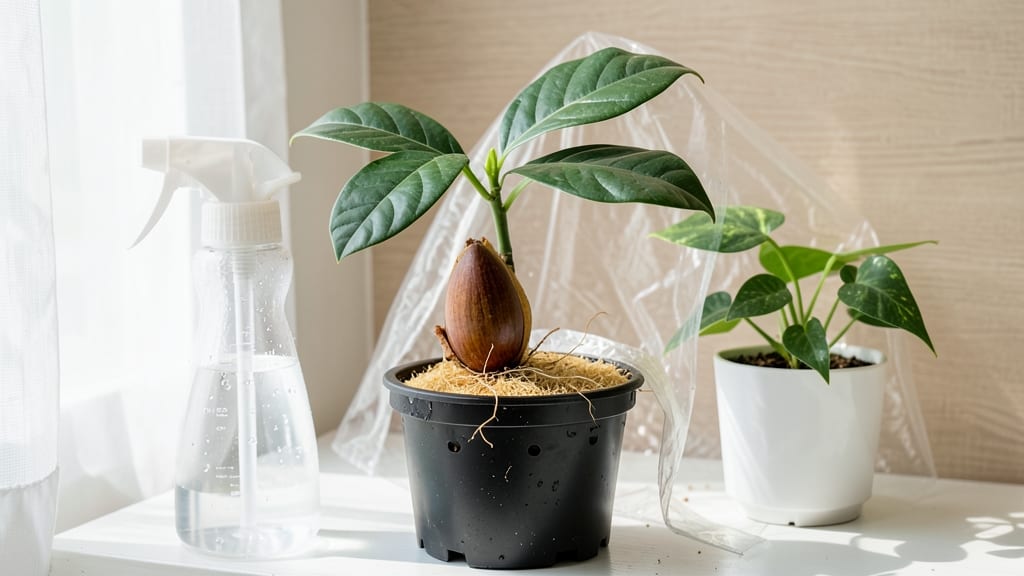
Growing a mango tree from the mango seed growth is one of those gardening adventures that feels like magic—especially when you watch that first sprout push through the soil. 🌱 I’ve turned store-bought pits into thriving saplings, and the process is simpler than you’d think, even if you’ve never grown a tree before.
The key is patience and the right conditions, whether you’re growing indoors by a sunny window or outdoors in warmer climates.
You’ll need just a few supplies: a clean mango pit, a small container with drainage, well-draining soil, and a warm spot with bright light. The pit takes about 2-4 weeks to germinate, and once it sprouts, you’ll want to keep it moist but not soggy.
Mango seeds are finicky about overwatering, so let the top inch of soil dry out between waterings. This is where most beginners go wrong—they drown the seedling before it even gets started.
By the time your sapling reaches 6-12 inches, you’ll be pinching off new growth to encourage a stronger trunk and branches. That’s when the real fun begins: deciding whether to keep it in a pot or plant it outdoors, depending on your climate.
With the right care, your little mango tree could one day produce fruit—though it might take 5-10 years to bear fruit, so don’t rush it.
This method works for indoor growers in apartments or greenhouses just as well as for outdoor gardeners in warmer zones. The trick is consistency—light, water, and warmth—and before you know it, you’ll have a lush, tropical-looking tree that’s all yours. Let’s get those pits sprouting!
📚 In This Guide
- What you need
- Instructions
- Tips and common mistakes
- Wrapping up and next steps
What you need
- ● Mango seeds: 3–5 fresh, viable seeds (harvested from ripe, organic mangoes). Pro tip: 💡 Test viability by placing seeds in water—sinkers are good to go!
- ● Containers: Small pots (4–6 inches deep) for germination (2–3 pots)
- ● Larger pots (10+ inches deep) for sapling growth (1–2 pots)
- ○ Potting mix: Well-draining, sterile mix (e.g., 60% peat/coir, 30% perlite, 10% sand). Optional: Add worm castings for nutrients!
- ● Watering can or spray bottle: With a fine mist nozzle for gentle hydration.
- ● Plastic wrap or humidity dome: To retain moisture during germination.
- ● Pruning shears: For trimming roots or leaves if needed.
- ● Fertilizer: Balanced, water-soluble fertilizer (5-5-5 or 10-10-10, diluted to half-strength).
- ● Grow lights or sunny windowsill: South-facing window or LED grow lights (12–14 hours/day).
- ○ Heat mat (optional): For containers during cool germination phases (70–85°F ideal).
- ● Label markers: To track seed varieties and planting dates.
Step-by-step instructions for growing mango trees from seed
Here’s how I’ve grown sturdy mango saplings from grocery store pits—no fancy equipment needed.
🌱 Step 1: Extract and Prepare the Seed
Start with a fresh, plump mango pit—older seeds germinate poorly. Crack it open carefully with a nutcracker or hammer, then separate the two halves. You’ll see a single seed nestled inside; this is your future tree. Rinse the seed under cool water to remove any fruit residue, then let it dry for 12 hours on a paper towel.
Here’s the thing—mango seeds need warmth to germinate. If your home runs cool, place the dried seed in a small plastic bag with a damp paper towel and seal it loosely. Keep it in a warm spot like near a sunny window or on top of the fridge (75-85°F). You’ll see tiny roots emerge in 1-3 weeks—that’s your cue to move to soil.
🪴 Step 2: Plant the Germinated Seed
Fill a 4-inch pot with well-draining potting mix (never garden soil—it’s too dense). Press the mix down lightly, then dig a 1-inch deep hole in the center. Gently place the germinated seed—roots facing down—into the hole, covering it with soil but leaving the top half exposed.
Water lightly until the soil feels moist but not soggy. Mango seeds hate soggy conditions, so use a spray bottle to avoid disturbing the seed. Place the pot in bright, indirect light (no direct sun yet). Within 7-10 days, you’ll see the first true leaves—this means the seedling is establishing roots.
☀️ Step 3: Provide Light and Gradually Acclimate
Once the seedling has 2-3 sets of leaves, it’s ready for morning sun. Move it to a spot with 4-6 hours of direct sunlight daily, gradually increasing exposure over 2 weeks. Too much sun too soon causes leaf scorch—you’ll notice crispy edges as a warning sign.
Keep the soil evenly moist but never waterlogged. Stick your finger 1 inch deep—if it feels dry, water gently. Fertilizer isn’t needed yet; young seedlings focus energy on root growth. After 3 months, you’ll see a small sapling with a thick stem—this is your first major milestone.
✂️ Step 4: Transplant and Prune for Strength
When the sapling reaches 6-8 inches tall (usually 4-6 months in), it’s time to repot into a 6-inch container. Use fresh potting mix and water thoroughly after transplanting. Mango trees grow fast, so choose a pot with drainage holes—water should drain freely within 10 minutes of watering.
Pinch off the top set of leaves when the sapling hits 12 inches to encourage bushier growth. This might sound counterintuitive, but it triggers side branches. Prune with clean scissors, leaving a ¼-inch stub. After pruning, place the pot in dappled shade for a week to recover before returning to sun.
💧 Step 5: Maintain Through the First Year
By now, your sapling is ready for regular care. Water when the top 2 inches of soil feel dry, and fertilize monthly with a balanced 10-10-10 mix during spring and summer. Reduce watering in fall—mango trees need a dry rest to prepare for dormancy.
Watch for pests like spider mites (tiny webs on leaves) or aphids (sticky residue). Spray with neem oil if you spot them. With patience, your sapling will flower in 3-5 years—but the real reward is seeing those first leaves unfurl, knowing you grew it from a pit.
Tips & tricks for growing mango trees from seed
Here's what I learned the hard way after struggling with my first few attempts—these tricks make all the difference.
Seed Selection: Always choose pits from fully ripe mangoes—they contain the most viable seeds. I've found that tropical varieties like Tommy Atkins or Keitt produce the hardiest saplings. Avoid seeds from overly soft or fermented fruit, as they often fail to germinate. If you're unsure about freshness, soak the pit in warm water for 24 hours first—if it floats, it's too old to use.
Germination Environment: The 75-85°F temperature range is critical for successful germination. I've had the most consistent results by placing my seed bags on top of refrigerators or near sunny windowsills. If your home runs cooler, consider using a seedling heat mat set to low—just make sure it doesn't exceed 85°F, as higher temperatures can actually inhibit root development. Watch for condensation inside the bag as a good sign of proper moisture levels.
Transplanting Timing: Don't rush to transplant your seedling once it shows roots—wait until you see those first true leaves (not just the initial sprout leaves) before moving to soil. This usually happens within the 1-3 week germination window. When transplanting, use a small pot (4-inch diameter) to prevent overwatering, which is the #1 killer of young mango saplings. The 1-inch deep planting depth gives roots plenty of room to establish without being buried too deeply.
Light Transition Strategy: The gradual 2-week acclimation to morning sun is where many beginners go wrong. I recommend starting with just 1-2 hours of direct sun in the morning, then increasing by 30 minutes each day. Watch for leaf scorch—those crispy edges appear first on older leaves. If you notice this, move the plant back to indirect light immediately. A simple shade cloth over half the pot can help during this transition period.
Pro Tips for Mango Seed Growth
- Here's what I learned the hard way after struggling with my first few attempts—these tricks make all the difference.
- Seed Selection: Always choose pits from fully ripe mangoes—they contain the most viable seeds.
- Germination Environment: The 75-85°F temperature range is critical for successful germination.
Frequently asked questions
Got questions about growing mango seeds into saplings? You’re not alone! Here are some of the most common queries—plus straightforward answers to help you succeed.
How long does it take for a mango seed to sprout?
A mango seed typically sprouts within 2 to 4 weeks if kept in warm, moist conditions (around 70–85°F). Patience is key—some seeds take longer, especially if they’re dried out or stored improperly. Keep the soil consistently damp (not soggy) and place the pot in bright, indirect light for best results.
Can I grow a mango tree from a grocery store seed?
Most grocery store mango seeds will germinate, but there’s a catch: they may not produce fruit true to the parent plant. Store-bought seeds often come from hybrid varieties, so your sapling might grow into a different type of mango tree. For fruit-bearing potential, source seeds from a known mango tree or a reputable nursery.
What’s the best container size for a mango seedling?
Start with a small pot (4–6 inches deep) for germination, then upgrade to a 5-gallon container once the seedling is 6–12 inches tall. Mango trees have deep roots, so ensure drainage holes are present to prevent root rot. Use a well-draining potting mix (like a 50/50 blend of peat moss and perlite) to mimic tropical soil conditions.
Why isn’t my mango seed sprouting? Troubleshooting tips.
If your seed isn’t sprouting after 4+ weeks, try these fixes:
- Check moisture: Overwatering can suffocate the seed, while dry soil may prevent germination. Aim for consistently damp (not wet) soil.
- Warmth matters: Mango seeds thrive in warmth. Place the pot near a sunny window or use a seedling heat mat (75–85°F ideal).
- Test viability: Soak the seed in water for 24 hours. If it sinks, it’s likely viable; if it floats, it’s probably dead.
- Patience pays off: Some seeds take up to 3 months to sprout. Avoid disturbing the soil while waiting.
Can I grow a mango tree indoors year-round?
While possible, mango trees prefer outdoor conditions to thrive. Indoors, they’ll need:
- A south-facing window or grow lights (12+ hours of light daily).
- High humidity (mist leaves or use a humidity tray).
- Regular pruning to control size (they can grow 6–10 feet tall indoors!).
For fruit production, transplant outdoors once the tree is 3–5 years old and in a USDA Zone 10–11 climate (or a greenhouse).
Wrapping up and next steps
Growing a mango tree from seed is a rewarding journey that combines patience, care, and a little creativity! 🌱 From understanding the right materials to troubleshooting common challenges, you now have all the tools to nurture your seed into a thriving sapling.
Whether you're growing it in a container or eventually transplanting it, the key is consistency—watering, sunlight, and love will do the rest.
Ready to take the next step? Start by planting that seed today and watch your green thumb grow stronger with each passing day. Who knows? You might just be cultivating the start of a bountiful mango tree for years to come! 🌟