
Propagation
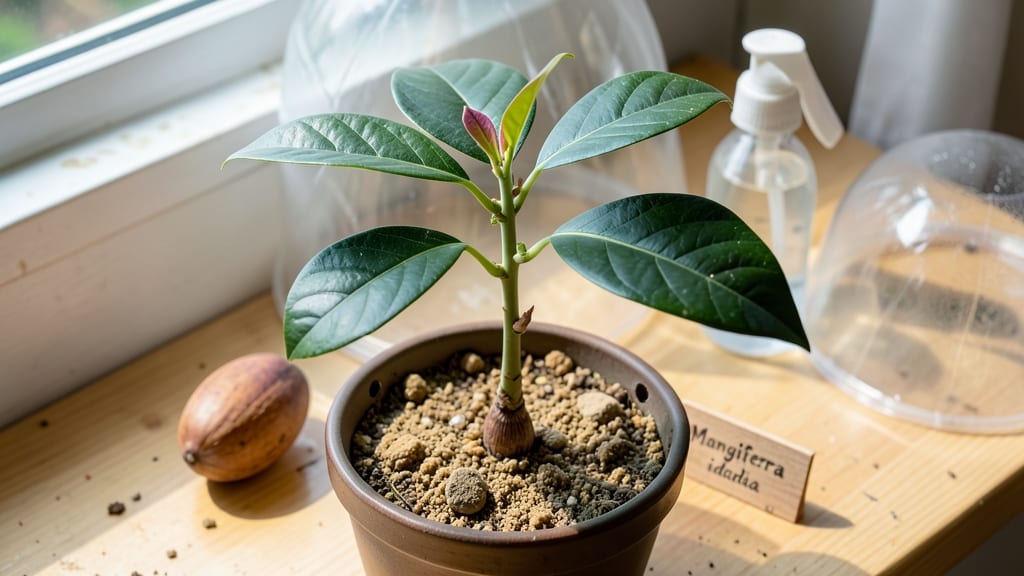
Growing a mango tree from seed indoors turns your kitchen window into a tropical escape. 🌱 The journey starts with a single seed—one that could grow into a tree with glossy leaves and (eventually) fragrant blossoms, though fruit may take years.
This isn't just propagation; it's a living connection to distant orchards, right in your home.
You'll need just a few things: a ripe mango (any variety works), a small pot with drainage, and patience—this isn't a fast process. The seed takes 2-4 weeks to sprout, and the first year focuses on establishing a sturdy stem.
Most people quit here, but the real magic happens when you nurture it through the awkward "teenage" phase where growth slows.
Imagine velvety new leaves unfurling by spring, and branches reaching toward your brightest window. With proper light (6+ hours of direct sun or a grow light) and occasional pruning, your tree will grow 3-6 feet tall indoors. The scent of blossoms in summer—if you're lucky—will be worth every watering.
Fair warning: this tree likely won't bear edible fruit for 10+ years (if ever), but the journey makes it worth it. Even if it stays ornamental, it's a conversation starter and a living piece of tropical art. Let's get that seed sprouting!
📚 In This Guide
- What you need
- Instructions
- Tips and common mistakes
- Wrapping up and next steps
What you need
- ● Mango seed: 1 ripe, organic mango (preferably from a variety you love!) – save the seed after eating.
- ● Small pot: 1–2 (4–6 inch diameter) with drainage holes. Plastic or terracotta works—just avoid metal!
- ● Well-draining potting mix: 1 bag (cactus/succulent mix or a blend of 50% peat moss, 30% perlite, and 20% sand).
- ● Spray bottle: 1 (for gentle watering).
- ● Clear plastic bag or dome: 1 (to create humidity).
- ● Toothpick or pencil: 1 (for poking drainage holes if needed).
- ● Grow lights: 1–2 LED bulbs (if natural light is limited).
- ● Humidity tray: 1 (to boost moisture levels).
- ● Fertilizer: Balanced liquid fertilizer (e.g., 10-10-10, diluted to half-strength).
- ● Pruning shears: Small pair (for future trimming).
- ● Thermometer/hygrometer: 1 (to monitor temperature/humidity).
Step-by-step instructions for growing a mango tree from seed indoors
Here's how to turn that grocery-store mango pit into a thriving houseplant with real potential.
🌱 Step 1: Prepare and Plant the Seed
Start by cleaning the seed thoroughly under running water to remove any remaining fruit flesh. Let it dry completely for at least 24 hours—this prevents rot. I like to soak the seed in lukewarm water for 12 hours first, which softens the hard shell and speeds up germination. After soaking, place the seed horizontally in a small container filled with moistened seed-starting mix.
Cover the seed with about ½ inch of soil, just enough to bury it lightly. Press gently so the soil makes good contact with the seed. The key here is keeping the soil consistently moist but not soggy—you'll know it's right when the surface feels damp but not wet to the touch. Place the container in a warm spot, ideally between 75-85°F, like on top of a refrigerator or near a sunny window.
💧 Step 2: Create Ideal Germination Conditions
Germination can take anywhere from 2-4 weeks, so patience is key. Keep the soil moist by misting lightly every few days—don't let it dry out completely, but avoid overwatering, which can cause the seed to rot. A clear plastic bag loosely draped over the container helps maintain humidity and warmth, mimicking tropical conditions.
Watch for the first signs of growth: a tiny sprout will emerge from one end of the seed, followed by a small root from the opposite end. Once you see the first true leaves appear—those are the second set of leaves after the initial seed leaves—remove the plastic bag to prevent fungal growth. This usually happens within 4-6 weeks after planting.
☀️ Step 3: Provide Light and Care for Young Seedlings
Move your young mango tree to a bright location with at least 6 hours of indirect sunlight daily. A south-facing window is ideal, but avoid direct midday sun, which can scorch tender new leaves. If natural light is insufficient, supplement with a grow light placed about 6 inches above the plant for 12-14 hours per day.
Water the seedling when the top inch of soil feels dry to the touch. Overwatering is the biggest mistake here—mango seedlings are sensitive to root rot, so always ensure the pot has drainage holes. Fertilize lightly every 2 months with a balanced, water-soluble fertilizer diluted to half strength. You'll notice new growth within a few weeks, signaling your seedling is thriving.
🪴 Step 4: Transplant and Encourage Growth
Once your mango seedling reaches about 6 inches tall and has several sets of true leaves, it's time to transplant into a slightly larger pot, around 6-8 inches in diameter. Use a well-draining potting mix designed for citrus or tropical plants. Gently remove the seedling from its original container, being careful not to disturb the roots too much, and place it in the new pot at the same depth it was growing before.
After transplanting, place the pot in a location with bright, indirect light and keep the soil consistently moist for the first week. This helps the seedling adjust to its new home. As it grows, continue to rotate the pot occasionally so the plant grows evenly and doesn't lean toward the light. With consistent care, your mango tree can grow several feet tall indoors over the next few years.
Tips & tricks for growing a mango tree indoors
Here's what nobody tells you about turning that grocery-store pit into a thriving houseplant.
Soaking Strategy: That 12-hour soak in lukewarm water is your secret weapon for faster germination. I like to use a small glass jar with just enough water to cover the seed—this prevents it from floating away while it softens. After soaking, let it dry for those full 24 hours before planting, even if it feels like waiting forever. This drying step prevents mold and gives you the best chance at successful sprouting. The seed needs this balance of moisture and air exposure to start its journey.
Temperature Matters: Keeping your seedling in that 75-85°F range is critical, but don't stress if your home doesn't naturally stay that warm. A simple solution is to place the container on top of your refrigerator—it stays consistently warm without overheating. If your home runs cooler, consider using a seedling heat mat (set to low) underneath the container. Just remember, mango seeds need warmth to germinate, and this is where most people see failures happen.
Lighting Secrets: When you're providing those 6 hours of indirect sunlight, position the plant within 2 feet of the window for maximum benefit. If you're using a grow light for the 12-14 hours per day, place it closer than you might think—about 4-6 inches away. I've seen people put grow lights too far away, and the seedlings just stretch pitifully toward the light without getting enough intensity. The goal is bright, even light that encourages strong, compact growth rather than leggy stems.
Transplanting Tip: When you're ready to move your 6-inch seedling to that 6-8 inch pot, here's a pro move: water the seedling thoroughly the day before transplanting. This makes the roots more flexible and reduces shock when you handle it. As you're removing it from the original container, gently squeeze the sides to encourage the root ball to stay intact. The less you disturb those delicate roots, the faster your mango tree will recover and start growing again.
Pro Tips for Grow A Mango Tree From Seed Indoors
- Here's what nobody tells you about turning that grocery-store pit into a thriving houseplant.
- Soaking Strategy: That 12-hour soak in lukewarm water is your secret weapon for faster germination.
- Temperature Matters: Keeping your seedling in that 75-85°F range is critical, but don't stress if your home doesn't naturally stay that warm.
Frequently asked questions
Growing a mango tree from seed indoors is exciting, but questions pop up along the way! Here are some of the most common ones—and their answers—to help you navigate your tropical journey with confidence.
How long does it take for a mango seed to sprout indoors?
Patience is key! Most mango seeds sprout within 2–4 weeks if kept warm (around 70–85°F) and moist. If nothing happens after 6 weeks, gently check for rot or adjust your setup—sometimes seeds need a little extra coaxing. Pro tip: Soak the seed overnight before planting to speed up germination.
Will my indoor mango tree ever produce fruit?
While possible, it’s unlikely for a seed-grown mango tree to fruit indoors. Most indoor mango trees stay small (3–6 feet) and focus on growth rather than fruiting. For fruit, you’d need a mature outdoor tree in a tropical climate—but enjoy the lush foliage and the fun of nurturing a mini tropical wonder!
What’s the best temperature for growing a mango seed indoors?
Mango seeds thrive in warmth, ideally between 70–85°F (21–29°C). If your home dips below 60°F (15°C), use a seedling heat mat or place the pot near a sunny window. Avoid cold drafts—mangoes are tropical divas! Pro tip: A south-facing window is your best bet for natural warmth.
Can I grow a mango tree from a store-bought mango?
Just save the pit from your favorite grocery-store mango, clean it, and follow the same steps. Some varieties (like Keitt or Haden) grow well from seed, though fruit quality may vary. Just avoid hybrid or grafted mangoes—they won’t produce true-to-type trees.
Why is my mango seed turning black or moldy?
Blackening or mold means too much moisture or rot. If you see this, stop watering immediately and let the soil dry out. Remove the seed, trim any mushy parts, and replant in fresh, well-draining soil. If the seed is fully rotten, try another one—some seeds just don’t make it! Pro tip: Use a mix of perlite or sand to improve drainage.
How big will my indoor mango tree get?
Indoor mango trees typically stay 3–6 feet tall with proper pruning. Without enough light or space, they may grow leggy or stunted. If your tree outgrows its spot, consider repotting or trimming to encourage bushier growth. Think of it as a living houseplant with tropical flair!
Wrapping up and next steps
Growing a mango tree from seed indoors is a rewarding journey that blends patience with the joy of nurturing life. With the right care—sunlight, warmth, and a little love—your tiny seedling has the potential to thrive, even if it may take years to bear fruit.
Remember, every expert gardener started with a single seed!
Ready to take the next step? Transplant your seedling outdoors (if climate permits) or explore grafting techniques to speed up fruiting. Either way, your green thumb is already growing—keep it up! 🌱✨