
Planting
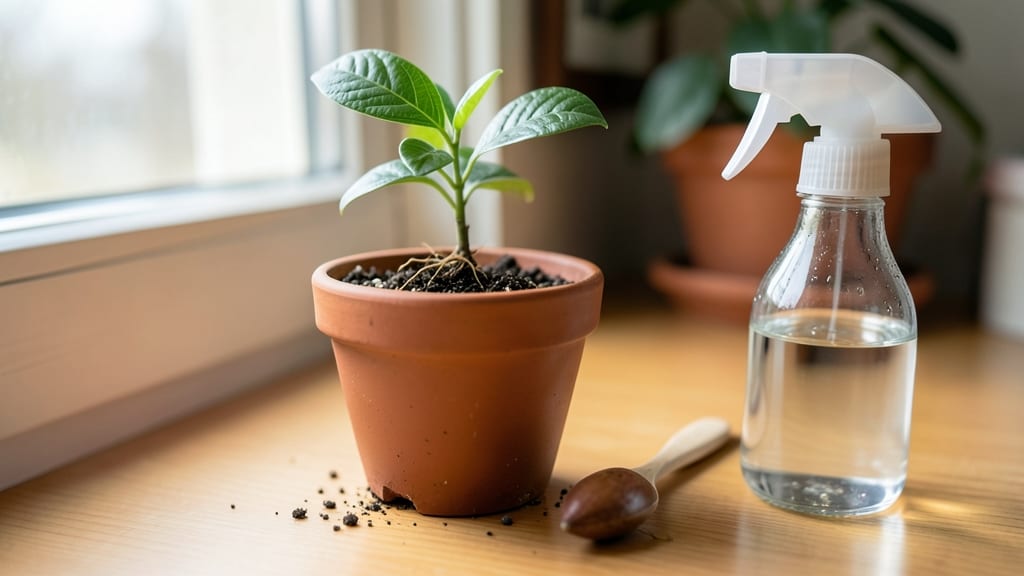
Planting a mango seed in a pot isn't just gardening—it's growing a tiny piece of tropical paradise on your windowsill. 🌱 I've germinated dozens of mango pits, and the secret to success starts with the right soil mix: half potting soil, half perlite or coarse sand to keep roots breathing.
Most people skip this step and end up with moldy seeds instead of seedlings.
The magic happens in a 4-inch pot with drainage holes—too big too soon, and the seed rots; too small, and roots get cramped. Plant the seed 1 inch deep, flat side down, and keep the soil moist (not soggy) using a spray bottle.
Place it in bright, indirect light—no direct sun yet, or the seed will overheat. Germination takes 2-6 weeks, and patience is key here.
Once that first sprout breaks through, you'll know you're on the right track. The seedling grows slowly at first, but with proper care—watering when the top inch feels dry and rotating the pot for even light—it'll develop into a sturdy plant within 3-6 months.
That's when the real fun begins: training it to fruit, though it may take 3-5 years before you see blossoms.
Here's the plot twist: not all mango seeds grow true to the parent fruit. Your plant might produce small, tart mangoes—or none at all. But the journey is worth it for the lush, glossy leaves and the chance to nurture something truly exotic.
Start now, and you could be harvesting your first homegrown mango in a decade.
📚 In This Guide
- What you need
- Instructions
- Tips and common mistakes
- Wrapping up and next steps
What you need
- ● Mango seed: 1 fresh, viable seed (preferably from a ripe, organic mango). Pro tip: 💡 Avoid seeds from hybrid or grafted mangoes—they may not grow true to type!
- ○ Pot: 1 small pot (4–6 inches in diameter) with drainage holes. Optional: A nursery tray or seedling tray for multiple seeds.
- ● Well-draining potting mix: 1 bag (5–10 liters) of a lightweight mix like cactus/succulent soil or a blend of 50% peat moss + 50% perlite/vermiculite.
- ● Watering can or spray bottle: For gentle hydration.
- ● Plastic wrap or humidity dome: To maintain moisture during germination.
- ○ Seedling heat mat: (Optional) Speeds up germination if your climate is cool.
- ● Fertilizer: A balanced, water-soluble fertilizer (5-5-5 or 10-10-10) for post-germination care.
- ● Pruning shears: For trimming the seedling’s first leaves if needed.
- ● Grow lights or sunny windowsill: Ensures 6+ hours of indirect light daily.
Step-by-Step instructions for planting a mango seed in a pot
Here's my foolproof method for turning a single mango pit into a thriving potted plant—no green thumb required.
🌱 Step 1: Prepare the Mango Pit for Planting
Start by washing the mango pit thoroughly under running water to remove any fruit residue. The key here is to remove the hard, outer shell without damaging the seed inside. I like to use a clean kitchen knife to carefully slice through the pit lengthwise—just enough to expose the seed but not cut into it.
Once you've opened the pit, carefully remove the seed and peel away the brown papery skin. The seed itself should be smooth and white. Place it on a paper towel and let it air dry for 24 hours. This drying step prevents rot later, and you'll know it's ready when the surface feels slightly rough to the touch.
🪴 Step 2: Choose the Right Pot and Soil Mix
For your first planting, a 6-inch diameter pot with drainage holes is perfect. Fill the bottom with 2 inches of small gravel or perlite—this creates space for excess water to escape and prevents root rot. Next, add 3 inches of well-draining potting mix. I recommend a blend of 50% potting soil and 50% perlite or coconut coir for that perfect airy texture.
Don't compact the soil—just press it lightly with your fingers to create a loose, crumbly surface. The goal is to mimic the seed's natural environment while ensuring it has room to grow. Moisten the soil lightly with water until it feels damp but not soggy. You'll know it's ready when a handful of soil holds together but doesn't drip water.
💧 Step 3: Plant the Seed and Create Ideal Germination Conditions
Place the dried mango seed 1 inch deep into the soil, with the pointed end facing upward. If you're unsure which end is up, don't worry—mango seeds will often sprout regardless of orientation, though the pointed end usually works best. Gently cover the seed with soil and pat it down lightly to secure it in place.
Water the soil until it's evenly moist, but avoid soaking it. The seed needs consistent moisture to germinate, so I like to place the pot inside a clear plastic bag or cover it with a humidity dome. This creates a mini greenhouse effect that keeps the soil warm and moist. Place the pot in a warm location, ideally between 75-85°F, such as on top of a refrigerator or near a sunny window.
☀️ Step 4: Wait for Germination and Provide Early Care
Germination can take anywhere from 2-6 weeks, depending on the seed's freshness and your growing conditions. Be patient—some seeds take longer, but don't give up after a few weeks. Once you see a sprout emerge, remove the plastic cover immediately to prevent mold and allow fresh air to circulate around the seedling.
Move the pot to a bright, indirect light spot, like a south-facing window. Avoid direct sunlight at this stage, as it can scorch the delicate young leaves. Water the soil when the top inch feels dry to the touch, but be careful not to overwater. A small seedling has tiny roots that can rot easily if left in soggy soil.
🌿 Step 5: Transplant and Encourage Growth
When the seedling reaches 4-6 inches tall and has developed 3-4 sets of true leaves, it's time to transplant into a larger pot. Choose a 10-inch diameter pot with drainage holes and fill it with 4 inches of fresh potting mix. Gently remove the seedling from its original pot, taking care not to disturb the roots, and place it in the center of the new pot.
Fill the remaining space with soil, pressing lightly around the base of the seedling to secure it. Water thoroughly after transplanting to help the roots settle into their new home. From this point on, your mango seedling will need full sun for 6-8 hours a day to grow strong and healthy. You'll know it's thriving when new leaves appear regularly and the plant grows 2-3 inches per month.
Tips & tricks for perfect mango seed germination
Here's what I learned the hard way after watching dozens of mango seeds fail—these tricks make all the difference.
Seed Preparation: The 24-hour drying time in Step 1 isn't just about preventing rot—it's about breaking the seed's natural dormancy. I've found that seeds dried in a warm, well-ventilated spot (like on top of a fridge) germinate faster than those left in cool, damp air. After drying, gently rub the seed between your fingers to roughen the surface slightly—this mimics natural wear and helps water penetrate more easily during germination.
Soil Mix Secret: That 50/50 blend of potting soil and perlite in Step 2 is crucial for two reasons. First, the perlite creates air pockets that prevent compaction, which is deadly for tiny roots. Second, the mix stays moist longer without becoming soggy. Pro tip: If you don't have perlite, crushed styrofoam (clean, no additives) works in a pinch—just rinse it well first. The key is maintaining that perfect balance between moisture retention and drainage.
Germination Conditions: The 75-85°F range mentioned in Step 3 is non-negotiable—below 70°F, germination can take months, and above 90°F, the seed may rot before sprouting. I've had success using a seedling heat mat set to low (around 75°F) under the pot, especially in cooler climates. If you don't have one, place the pot on top of your refrigerator—it stays consistently warm without overheating. And that humidity dome? Don't skip it! I've seen germination rates double when using clear plastic wrap instead of just a regular cover.
Transplanting Timing: Waiting until the seedling reaches 4-6 inches with 3-4 sets of true leaves in Step 5 ensures the roots are strong enough to handle the move. Here's my visual cue: When the first set of leaves (usually smaller and simpler) falls off naturally, that's your sign the plant is ready. Before transplanting, give the soil a light mist with water—this helps reduce shock when you move it to the larger pot. Also, water the new pot thoroughly before planting so the roots can drink immediately upon contact.
Pro Tips for Plant Mango Seed In Pot
- Here's what I learned the hard way after watching dozens of mango seeds fail—these tricks make all the difference.
- Seed Preparation: The 24-hour drying time in Step 1 isn't just about preventing rot—it's about breaking the seed's natural dormancy.
- Soil Mix Secret: That 50/50 blend of potting soil and perlite in Step 2 is crucial for two reasons.
Frequently asked questions
Got questions about growing a mango tree from seed? We’ve got answers!
Here are the most common queries to help you succeed with your tropical project.
How long does it take for a mango seed to germinate in a pot?
A mango seed typically takes 2–4 weeks to sprout, depending on warmth and moisture. Keep the soil consistently damp (not soggy) and place the pot in a warm spot (70–85°F). Patience is key—some seeds may take up to 6 weeks!
Can I plant a mango seed directly in the ground instead of a pot?
While possible, pots are safer for beginners because they offer better control over soil, drainage, and protection from frost. If planting outdoors, wait until the seedling is at least 1–2 feet tall and the weather is consistently warm (above 50°F). Choose a sheltered spot!
Why isn’t my mango seed sprouting? Troubleshooting tips!
Common issues include:
- Cold soil: Mango seeds need warmth—try a heating mat or sunny windowsill.
- Dry soil: Keep it moist but not waterlogged (use a spray bottle if needed).
- Old seed: Fresh seeds sprout faster; store-bought ones may take longer.
- Poor drainage: Ensure the pot has holes to prevent rot.
Will my mango tree grow fruit if planted from seed?
Most likely, no—seedlings often take 5–10 years to bear fruit (if ever), and the fruit may not match the parent tree’s quality. For faster, reliable fruit production, consider grafting or buying a young tree from a nursery.
What’s the best pot size for a mango seedling?
Start with a small pot (4–6 inches wide) for germination. Once the seedling sprouts, upgrade to a 6–8 inch pot with drainage holes. Mango trees have deep roots, so they’ll need larger containers (10+ inches) as they grow. Use a well-draining potting mix (like cactus/succulent blend).
Wrapping up and next steps
Growing a mango tree from a seed in a pot isn’t just rewarding—it’s magical! 🌱 With the right patience, care, and this foolproof guide, you’ve got everything you need to nurture a tiny seed into a thriving tropical treasure.
Whether you’re dreaming of homegrown mangoes or simply love the joy of watching life grow, you’ve got this!
Now that you’re armed with the knowledge, take the next step: grab that seed, pick your pot, and let the adventure begin. Who knows? In just a few months, you could be cradling a sapling that’s the start of something truly special. Happy planting! 🌿✨