
Size
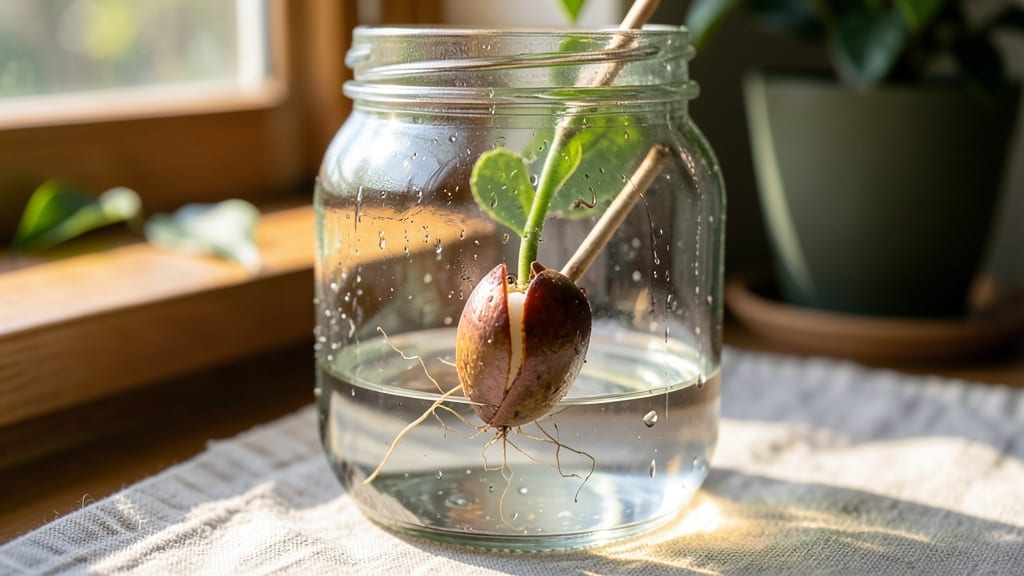
Growing a mango seed in water turns a summer snack into a tiny tropical promise. 🌱 I’ve watched my kitchen windowsill transform into a jungle corner with just a seed, a glass, and patience—no fancy equipment needed.
The real magic happens in those first few weeks when roots sprout like tiny green fingers, proving nature’s resilience even in our smallest spaces.
You’ll need a fresh mango pit (the bigger, the better), a clear glass or jar, and water that stays clean without chemicals. The secret? Changing the water every 3-4 days to prevent mold and bacteria.
Most seeds show roots within 2-4 weeks, but some take longer—don’t rush it. A sunny windowsill (not direct midday sun) keeps things happy, while a little humidity speeds up growth.
Once roots reach 2-3 inches, it’s time for soil. The plant will look like a scraggly weed at first, but with proper care, it can grow into a 10-foot tree over time.
Yes, it’ll take years to bear fruit (if ever), but the journey is half the joy—imagine the stories you’ll tell while nurturing your own tropical tree from a single seed.
This method works anywhere with a sunny window, though tropical climates give the best odds for outdoor planting later. The real reward? Knowing you grew something extraordinary from something as simple as a mango pit. Let’s get those roots growing!
📚 In This Guide
- What you need
- Instructions
- Tips and common mistakes
- Wrapping up and next steps
What you need
- ● Mango seed: 1 fresh, plump seed (no cracks or mold). Pro tip: 💡 Rinse it gently to remove any fruit residue!
- ● Clean glass or jar: 1 (8–16 oz), wide-mouthed for visibility (e.g., mason jar or drinking glass).
- ● Water: Filtered or tap water (room temperature, ~70°F/21°C). Note: Change every 2–3 days to prevent bacteria.
- ● Toothpick or skewer: 1 (for handling the seed safely).
- ● Clear tape or rubber band: 1 (to secure the seed in place).
- ● Bright, indirect light: A sunny windowsill (avoid direct sun—it can overheat the water!).
- ● Patience & positivity: Unlimited! Roots may take 2–4 weeks to sprout.
- ○ Rooting hormone: 1 small bottle (speeds up growth—optional but fun for science lovers!).
- ● Spray bottle: 1 (to mist the seed if the air feels dry).
- ● Notebook: 1 (to track progress with dates/photos!).
- ● Small pot & soil: 1 (for transplanting once roots are 2–3 inches long).
Step-by-step instructions for growing a mango seed in water
This simple method transforms a fruit pit into a lush tropical sapling—no soil required.
🌱 Step 1: Select and Prepare the Mango Seed
Start with a fresh, firm mango pit—avoid any with cracks or soft spots. Rinse it thoroughly under cool water to remove all fruit residue, then let it dry completely on a paper towel. I like to use a paper towel to gently scrub away any remaining flesh stuck to the pit’s surface.
Here's the thing—some seeds germinate faster if you lightly nick one side with a sharp knife. This small cut (about ¼ inch deep) helps water penetrate the hard shell. Just be careful not to cut too deep or you’ll damage the seed inside. Place the pit in a small bowl and cover it with room-temperature water—enough to submerge about half the pit.
💧 Step 2: Wait for Germination
Leave the pit in the water, changing it every 2-3 days to keep it fresh. In 7-14 days, you’ll see a tiny white root emerge from the cut side—this is your first sign of life! Keep the water level consistent; too little and the root dries out, too much and it rots.
Once the root reaches about 1-2 inches, it’s time to move to a larger container. I use a clear glass jar with 3-4 inches of water to give the root room to grow. The water should cover just the lower half of the pit, keeping the top exposed to air. Place the jar in a warm spot with bright, indirect light—a kitchen windowsill works perfectly.
🌿 Step 3: Encourage Leaf Growth
After another 2-4 weeks, you’ll notice a small sprout breaking through the pit. This is the seedling’s first true leaf! Keep the water level steady—never let it dry out completely, but don’t submerge the leaves either. You’ll know it’s thriving when the leaves stay vibrant and the stem grows sturdier.
Here’s where it gets fun—watch the seedling develop its first pair of real leaves (not the tiny cotyledons). Once these appear, you can gradually introduce a tiny bit of fertilizer (like a diluted seaweed solution) to boost growth. But don’t overdo it—just a drop or two in the water every 2 weeks is plenty.
⏰ Step 4: Transition to Soil (When Ready)
The moment the seedling grows 3-4 inches tall and has 4-5 true leaves, it’s time to plant it in soil. Fill a small pot with well-draining potting mix and dig a hole just big enough for the seedling’s root ball. Gently remove the pit from the water, being careful not to damage the roots, and place it in the hole.
Press the soil lightly around the base to secure the seedling, then water it gently. Keep the pot in bright, indirect light for the first week to help it adjust. After a few weeks, you can move it to a sunny spot (like a patio or greenhouse) to encourage stronger growth. Real talk: this is where most people quit—but if you stick with it, you’ll have a real mango tree!
☀️ Step 5: Maintain Your Young Tree
Once in soil, water your mango seedling once a week, letting the top inch of soil dry out between waterings. In spring or early summer, fertilize with a balanced liquid fertilizer every 4-6 weeks to support steady growth. Keep an eye out for pests—aphids love young seedlings, so spray with soapy water if you spot any.
With patience, your mango tree can grow 6-10 feet tall indoors (or much taller outdoors in tropical climates). If you live in a warm zone, transplant it to the ground after it’s 2-3 years old—just know it’ll take 5-10 years before it bears fruit. But hey, that’s the beauty of growing from seed: you’re building a legacy!
Tips & tricks for growing a mango tree from a seed
Watch your kitchen become a miniature jungle with these simple tricks to boost your mango seed's success.
Seed Selection: Confession: I skipped this step for years and wondered why my seeds never sprouted. Always choose pits from fully ripe mangoes—they're more likely to germinate. After cleaning, let the pit dry completely before nicking. I find using a butter knife works perfectly for that ¼-inch cut—just be gentle! The goal is to break the hard shell without damaging the seed inside.
Water Management: The 2-3 day water change is crucial—stale water breeds bacteria that can rot your seed before it even sprouts. I use a spray bottle to mist the pit between changes, keeping it hydrated without fully submerging. For the 3-4 inch water level in your jar, I recommend marking the glass with a permanent marker so you can see exactly how much water to add each time.
Light Strategy: Bright, indirect light is key during those early weeks. I place my seedling on a kitchen counter near a south-facing window but use a sheer curtain to filter harsh afternoon sun. If you notice the leaves turning yellow or stretching too tall, it's getting too much light. A simple grow light on a timer works wonders if natural light isn't sufficient—just 12 hours a day is plenty.
Transplant Timing: Don't rush the soil transition! I've seen people move seedlings too soon, and the roots get damaged. Wait until you see 4-5 true leaves and a stem that's at least 3-4 inches tall—this means the roots are strong enough to handle the change. When you do transplant, gently squeeze the roots to encourage them to spread in the soil rather than staying in a tight ball.
Pro Tips for Grow A Mango Seed In Water
- Watch your kitchen become a miniature jungle with these simple tricks to boost your mango seed's success.
- Seed Selection: Confession: I skipped this step for years and wondered why my seeds never sprouted.
- Water Management: The 2-3 day water change is crucial—stale water breeds bacteria that can rot your seed before it even sprouts.
Frequently asked questions
Got questions about growing a mango seed in water? You’re not alone—this tropical experiment sparks curiosity! Here are answers to the most common queries to keep your mango seed journey smooth and successful.
How long does it take for a mango seed to sprout in water?
Patience is key! Most mango seeds sprout within 2–4 weeks if kept in warm (70–85°F) water. Some take longer—up to 6 weeks—so don’t rush it. Change the water every 2–3 days to avoid mold and keep the seed hydrated.
What if my mango seed isn’t sprouting?
Don’t panic! Try these fixes:
- Check the seed: Ensure it’s fresh (old seeds may be dormant). Scratch the hard shell lightly with sandpaper to encourage cracking.
- Warmth matters: Place the jar near a sunny window or use a seedling heat mat (75–85°F is ideal).
- Fresh water: Stagnant water breeds bacteria. Replace it daily until sprouting begins.
Can I plant the sprouted seed directly in soil?
Yes! Once roots reach 1–2 inches and a tiny shoot emerges, it’s time to transplant. Use well-draining soil (a mix of potting soil and perlite works great). Bury the seed halfway to stabilize it, then water lightly. Keep the soil moist but not soggy—overwatering can drown the delicate sprout.
Will my mango tree grow fruit indoors?
Probably not! Mango trees thrive in tropical climates and need full sun (6+ hours/day), high humidity, and space (they can grow 60+ feet tall!). If you’re indoors, treat it as a houseplant—it may flower but rarely fruits without ideal conditions. For fruit, consider moving it outdoors in summer or growing in a greenhouse.
What if my seedling’s leaves turn yellow?
Yellow leaves usually signal overwatering, nutrient deficiency, or root rot. Try this:
- Let the top inch of soil dry out between waterings.
- Fertilize lightly with a balanced liquid fertilizer (diluted to half strength).
- Check for pests like spider mites—spray with water or neem oil if needed.
Wrapping up and next steps
Growing a mango seed in water is a rewarding journey that blends patience with the joy of nurturing life from something as simple as a pit! 🌱 With just a few supplies and consistent care, you’ve got the power to turn a tiny seed into a thriving sapling—right in your own home.
The best part? Every step is a lesson in resilience, and soon, you might just be rewarded with a fruit tree of your own.
Now that you’re armed with the how-to, why not take the next step? Once your seedling is strong enough, transplant it into soil and watch it grow into a lush, tropical tree. Your green thumb is ready—let’s grow something amazing together! 🌿