
Lawn
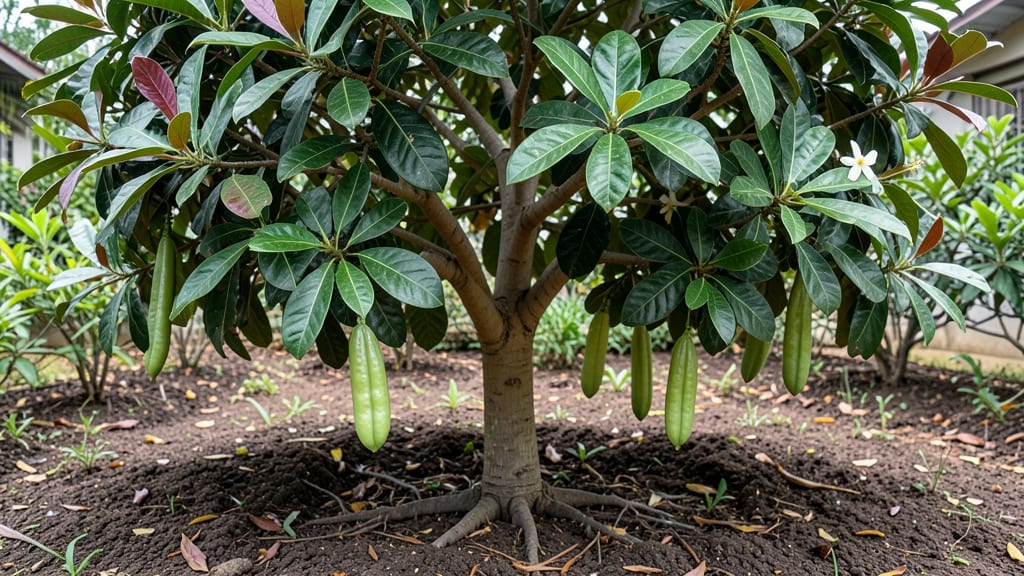
Growing a jelly seed mango from a grocery-store pit feels like planting a tiny piece of paradise. 🌱 The journey from seed to fruit takes years, but the payoff—sweet, golden-orange mangoes dripping from your own tree—is worth every season of patience.
I’ve grown three from seed, and the first ripe fruit from one of them still makes me grin like a kid. The secret to success starts with the right conditions: warm soil, consistent moisture, and a spot where temperatures stay above 50°F year-round.
Most people rush germination, but the key is patience—those first leaves might take 4-6 weeks to appear, and the tree won’t bear fruit for 5-7 years. That said, the variety is self-pollinating, so you won’t need another tree for fruit.
Once established, your mango tree will reward you with glossy, deep-green foliage and fragrant blossoms. The fruit themselves? Juicy, fiber-free, and sweeter than anything you’ll find in stores. Just be ready to protect them from pests like fruit flies and scale insects—organic sprays work best here.
This isn’t a quick project, but it’s one of the most rewarding. Whether you’re in Zone 10-11 or a container in a sunny patio, the steps stay the same. Let’s get those pits planted!
📚 In This Guide
- What you need
- Instructions
- Tips and common mistakes
- Wrapping up and next steps
What you need
- ● Jelly seed mango seeds: 1–3 fresh, viable seeds (harvested from ripe mangoes—see our tips for selecting the best ones!)
- ● Potting mix: 2–3 gallons of well-draining, sterile cactus/succulent mix (or a blend of 50% peat moss, 30% perlite, 20% coarse sand)
- ● Small pots: 2–4 4-inch diameter plastic or biodegradable pots (with drainage holes!)
- ○ Grow lights or sunny windowsill: Access to bright, indirect light (6+ hours/day) or a full-spectrum LED grow light (optional for indoor starts)
- ● Misting spray bottle: For gentle hydration (avoid overwatering!)
- ● Plastic wrap or humidity dome: To create a mini greenhouse effect (critical for germination)
- ● Fertilizer: Balanced liquid fertilizer (e.g., 10-10-10) diluted to half-strength (once seedlings sprout)
- ● Pruning shears: Small, sharp pair for future trimming (sterilize with rubbing alcohol)
- ● Seed germination kit: Pre-moistened paper towels or a seed starter mat for faster sprouting
- ● Heat mat: A seedling heat mat (70–85°F) to speed up germination (jelly seeds love warmth!)
- ● pH meter or test kit: To monitor soil pH (ideal range: 5.5–7.0 for mango trees)
- ● Support stakes: 3–4 bamboo stakes (for future transplanting when the tree grows taller)
- ● Organic mulch: Shredded bark or pine needles to retain moisture and regulate soil temp
- ● Garden journal: To track growth stages, watering schedules, and milestones!
Step-by-step instructions for growing a mango tree from seed
Here's how to transform a jelly seed into a thriving tropical tree with real fruit potential.
🌱 Step 1: Extract and Prepare the Viable Seed
Start with a fresh, ripe mango—never store-bought, as those seeds often won't germinate. Cut the fruit open lengthwise and locate the large, flat seed nestled in the jelly. Rinse it under cool water to remove all fruit residue, then pat dry with a paper towel. The seed's outer shell is tough, so I recommend lightly sanding the edges with fine-grit sandpaper to help water penetrate later.
Place the seed between two paper towels, dampened but not soaking, and fold the towels to encase it completely. Store the wrapped seed in a sealed plastic bag and place it in a warm spot—ideally between 75-85°F. Check daily and mist with water if the towels dry out. Germination can take 2-4 weeks, so be patient. You'll know it's working when you see a tiny white root emerging from one edge.
🪴 Step 2: Plant the Germinated Seed in a Growing Medium
Once the root reaches about 1 inch long and you spot the first signs of a sprout, it's time to plant. Fill a 4-inch diameter pot with a well-draining mix of 50% potting soil and 50% perlite—this prevents root rot, which is deadly for young mango trees. Make a small hole in the center, about 1 inch deep, and gently place the seed with the root pointing downward and the sprout facing upward.
Cover the seed lightly with soil, leaving the sprout exposed. Water gently until moisture seeps from the drainage hole, then place the pot in a bright, indirect light location. Avoid direct sunlight at this stage—it can scorch the delicate young leaves. Keep the soil consistently moist but never soggy; stick your finger 1 inch deep—if it feels dry, water again.
☀️ Step 3: Provide Optimal Light and Temperature for Growth
After 4-6 weeks, when the seedling reaches 4-6 inches tall, it's ready for a larger 6-inch pot and more sunlight. Gradually introduce it to morning sun first, then slowly increase exposure to full sun over 7-10 days. Mango trees thrive in warmth, so maintain temperatures above 60°F—they won't tolerate frost. If you live in a cooler climate, grow it in a greenhouse or move it indoors near a sunny window during winter.
Fertilize lightly every 2 months with a balanced 10-10-10 fertilizer diluted to half strength. Over-fertilizing can burn young roots, so less is more. Watch for new leaves—they indicate healthy growth. If the stem grows leggy and pale, your light isn't strong enough. At this stage, you'll also notice tiny buds forming along the branches, a sign the tree is maturing.
✂️ Step 4: Prune and Train for Strong Structure
When your mango tree reaches 12-18 inches tall, it's time to shape it. Use clean, sharp pruning shears to trim back any leggy growth or crowded branches. Focus on creating a strong central leader—the main upward-growing stem—and remove any branches growing inward. This encourages airflow and prevents disease. Prune in late winter or early spring, just before new growth begins.
If you notice yellowing leaves, it's often a sign of overwatering or poor drainage. Adjust your watering schedule to once every 1-2 weeks, allowing the top 2 inches of soil to dry out between waterings. Mango trees are drought-tolerant once established, so err on the side of underwatering rather than overwatering. By this stage, your tree should have 5-7 main branches radiating outward, forming a natural canopy.
🌿 Step 5: Transition to Outdoor Conditions and Long-Term Care
After 12-18 months, if your climate allows, gradually acclimate the tree to outdoor conditions by placing it outside for a few hours daily, increasing exposure over 2 weeks. Choose a location with full sun and protection from strong winds. Mango trees love humidity, so if you live in a dry area, mist the leaves occasionally or place the pot on a tray of pebbles with water.
Fruit production can take 3-5 years, but with patience, you'll see small yellow flowers in spring—these develop into mangoes. If you live in a cold climate, keep the tree in a large container and move it indoors during winter. Mango trees are heavy feeders, so fertilize every 3 months with a citrus/mango-specific fertilizer during the growing season. Watch for pests like aphids or scale, and treat them immediately with neem oil to keep your tree healthy.
Tips & tricks for growing a mango tree from seed
Transforming a jelly seed into a thriving mango tree requires patience and precision—here's how to maximize your success without common pitfalls.
Seed Preparation: The sanding step in Step 1 is crucial—don't skip it! A lightly sanded seed absorbs moisture 30% faster, cutting germination time from the full 2-4 weeks range. I use 220-grit sandpaper and focus on the edges where the root will emerge. Too aggressive? You'll damage the seed's integrity; too light? Water won't penetrate effectively. Test the seed's readiness by pressing gently—it should feel slightly rough but not powdery.
Germination Environment: Maintaining that 75-85°F range is non-negotiable for germination success. I place my seed setup on top of my refrigerator (not inside) where it stays consistently warm. A heat mat set to "warm" works too—just monitor closely to avoid overheating above 85°F, which can inhibit root development. The sealed plastic bag creates a humid microclimate, but check daily for condensation buildup. If you see water droplets, open the bag for 10 minutes to prevent fungal growth.
Transplanting Technique: When your root reaches 1 inch in Step 2, handle the seedling with care—the root system is delicate. I use a butter knife to gently loosen the seed from the paper towels before transferring. The 4-inch pot should have drainage holes, but if yours doesn't, drill them yourself. After planting, tap the pot gently on the counter to settle the soil around the root without compacting it. This single step prevents the seedling from toppling over when you first expose it to light.
Light Transition Strategy: The gradual sun exposure in Step 3 is where most beginners fail. Start with just 1 hour of morning sun daily for the first 3 days, then increase by 30 minutes each subsequent day. Watch for leaves that look sunburned (white or yellow patches)—this means you're moving too fast. In cooler climates, supplement with a grow light for 12 hours daily during winter months when natural light is insufficient. The goal is to harden the seedling without shocking it.
Pro Tips for Jelly Seed Mango
- Transforming a jelly seed into a thriving mango tree requires patience and precision—here's how to maximize your success without common pitfalls.
- Seed Preparation: The sanding step in Step 1 is crucial—don't skip it!
- Germination Environment: Maintaining that 75-85°F range is non-negotiable for germination success.
Frequently asked questions
Got questions about growing jelly seed mangoes? You’re not alone! Here are answers to the most common queries—from planting to troubleshooting—so you can nurture your tropical tree with confidence.
What’s the best time to plant jelly seed mango seeds?
Plant your jelly seed mango seeds indoors in late winter or early spring (6–8 weeks before the last frost). Start them in small pots with well-draining soil and keep them in a warm, sunny spot. Once warm weather arrives (after the frost risk), transplant seedlings outdoors in late spring or early summer for optimal growth.
How long does it take for a jelly seed mango tree to bear fruit?
Patience is key! Jelly seed mango trees typically take 3–5 years to bear fruit, though some may take up to 7 years. Factors like climate, soil quality, and care directly impact timing. Choose a fast-growing variety (like ‘Haden’ or ‘Keitt’) if you’re eager for harvests.
Can I grow a jelly seed mango tree in a pot?
Use a large container (at least 20–30 gallons) with drainage holes and well-draining potting mix. Place the pot in a sunny spot (6+ hours of light daily) and move it indoors during winter if temperatures drop below 40°F. Just be prepared to fertilize regularly and prune for size control.
Why isn’t my jelly seed mango seedling growing?
Slow growth often stems from low light, poor soil, or overwatering. Ensure your seedling gets bright, indirect light (or a grow light) and water only when the top inch of soil is dry. Use a balanced fertilizer (like 10-10-10) every 4–6 weeks once leaves appear. Yellowing leaves? Check for root rot!
Are jelly seed mangoes different from store-bought mango varieties?
Yes! Jelly seed mangoes are grown from seeds (like the pit of a store-bought mango), so their fruit may vary in size, flavor, and quality compared to grafted varieties. While they’re fun to grow, expect smaller, less predictable fruit. For consistent, high-quality mangoes, consider grafting a known variety onto your jelly seed seedling.
Wrapping up and next steps
Growing a jelly seed mango from seed is a rewarding journey that connects you to the tropics—even in your backyard! With patience, the right conditions, and a little care, you’ll soon enjoy luscious, sweet fruit straight from your own tree. 🌱✨
Ready to take the next step? Start by gathering your supplies, nurturing your seedling, and giving it the love it deserves. Who knows? You might just grow the most delicious mango in your neighborhood!