
Lawn
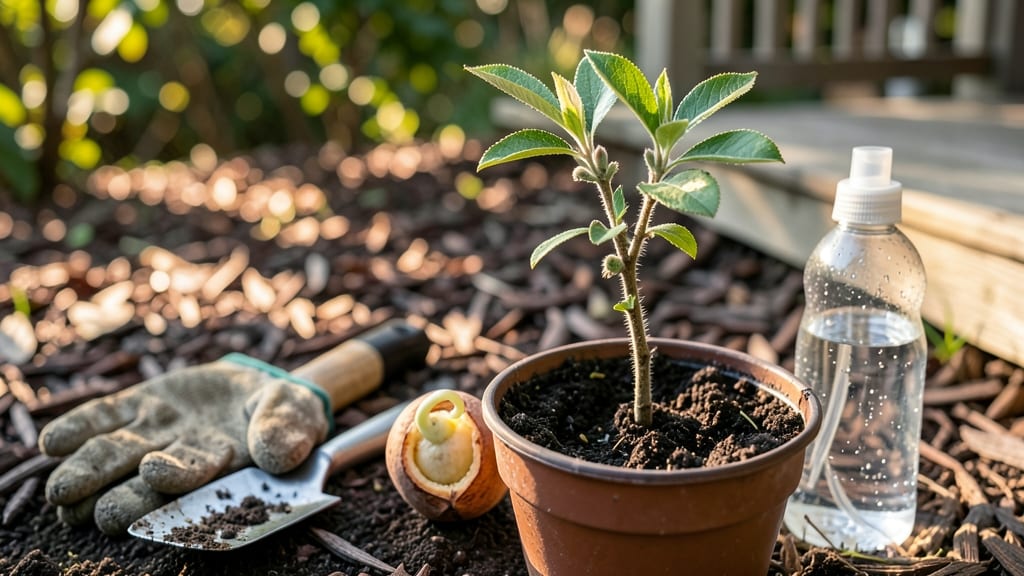
Planting a peach tree from the peach pit seed is one of those rewarding projects that turns kitchen scraps into a future backyard shade tree. 🌱 I’ve tried it three times—once with a stubborn pit that refused to cooperate, and twice with seedlings that finally broke through the soil like tiny green miracles.
The key is patience, because this isn’t a fast process, but the payoff is worth it.
Start with fresh pits—never dried or store-bought—and give them a head start by mimicking winter’s cold snap. Scarify the pit first (scratch the hard shell with sandpaper), then refrigerate it for 4-6 weeks wrapped in a damp paper towel.
This tricks the seed into thinking it’s had a natural winter, and when you plant it in well-draining soil, the real magic begins.
Once planted, keep the soil consistently moist but not soggy, and expect the first sprouts in 2-3 months—if you’re lucky. The seedlings grow slowly at first, but with time, you’ll have a sturdy young tree ready for transplanting in 1-2 years.
The real test comes when it finally blooms, and those delicate pink flowers appear after years of waiting.
Fair warning: not every pit will germinate, and even those that do may take years to bear fruit. But that’s part of the charm—this isn’t about instant gratification.
It’s about watching something grow from something as simple as a discarded peach pit, and knowing you played a small part in its journey.
📚 In This Guide
- What you need
- Instructions
- Tips and common mistakes
- Wrapping up and next steps
What you need
- ● 1-2 fresh peach pits – Choose plump, undamaged pits from organic or pesticide-free peaches.
- ● Paper towels or coffee filters – 2-3 sheets per pit for moisture control.
- ● Plastic bag or airtight container – A quart-sized bag works perfectly for stratification.
- ● Small pots or seed trays – 3-4" pots with drainage holes (1 per seedling).
- ● Potting soil – Well-draining mix (cactus/succulent blend or 50% peat/50% perlite).
- ● Water spray bottle – For gentle hydration.
- ● Patience! 😉 – Peach pits can take months to germinate.
- ● Refrigerator – For cold stratification (if skipping the bag method).
- ● Heating mat – Speeds up germination once sprouted (70-75°F ideal).
- ● Fertilizer – Balanced 10-10-10 or compost tea for young seedlings.
- ● Grow lights – If natural light is limited (12-14 hours/day).
- ● Pruning shears – For trimming roots/pots as the tree grows.
Step-by-step instructions for germinating peach pits
Here's how to turn those kitchen scraps into a real tree—no fancy tools needed.
🌱 Step 1: Extract and Prepare the Seed
Crack open a fresh peach pit with a nutcracker or rolling pin—aim for the center where the seed sits. Rinse the seed thoroughly under running water to remove any residual fruit flesh. This prevents mold and rot during germination. The seed should be clean and free of soft, stringy bits.
Place the seed between two paper towels, folding them around it to hold it snugly. Dampen the towels with lukewarm water until they feel moist but not dripping. This mimics the warm, humid conditions that trigger germination. Store the wrapped seed in a sealed plastic bag—this keeps moisture trapped while allowing airflow.
💧 Step 2: Wait for Germination
Place the bag in a warm spot—think top of the fridge, near a sunny window, or on a seedling heat mat set to 70-75°F. Check daily for moisture; the towels should stay damp but not soggy. You'll see the first signs of life in 2-4 weeks—a tiny white root emerging from one end, followed by a sprout from the other.
Real talk: Don't rush this step. If the seed stays dry, it won't germinate. If it rots (smells funky or turns mushy), start fresh with a new seed. Once the root reaches ½ inch, it's time to plant.
🪴 Step 3: Plant the Sprouted Seed
Fill a small pot with well-draining potting mix (avoid garden soil—it's too dense). Dig a hole 1-2 inches deep and place the seed root-down, covering it lightly with soil. Press gently to remove air pockets but don't compact. Water until the soil feels moist 1 inch down—not soggy, just damp.
Place the pot in a spot with bright, indirect light (no harsh sun yet). Peach seedlings are tender and can scorch easily. A south-facing window with sheer curtains works well. Keep the soil consistently moist—let the top inch dry out slightly between waterings.
☀️ Step 4: Transition to Outdoor Light
After 4-6 weeks, when the seedling reaches 6-8 inches tall with a sturdy stem, it's ready for stronger light. Move it outdoors to a shaded patio or under a tree for 2-3 hours daily, gradually increasing exposure over 10-14 days. This hardening-off process prevents shock when you eventually plant it in the ground.
Watch for leggy growth—a sign it's stretching for light. If stems grow thin and pale, move it closer to the light source. Once it tolerates full sun without wilting, it's ready for its permanent home in well-draining soil.
⏰ Step 5: Plant Outdoors and Care Long-Term
Choose a sunny spot with at least 6 hours of direct sun daily and dig a hole twice as wide as the pot but no deeper. Gently remove the seedling, loosen its roots, and place it in the hole at the same depth it was in the pot. Backfill with soil, tamp lightly, and water deeply to settle everything.
Peach trees need regular watering—about 1 inch per week—but avoid soggy soil. Mulch around the base with 2-3 inches of organic mulch to retain moisture and regulate temperature. Prune in late winter to remove dead or crossing branches, shaping the tree as it grows.
Tips & tricks for perfect peach pit germination
Turning a peach pit into a tree is easier than you think—once you know these game-changing tricks.
Seed Selection: Use pits from fully ripe peaches only—they've completed their natural development and have the best germination potential. Avoid pits from overly soft or bruised fruit, as they may be compromised. I've found that pits from organic peaches tend to germinate faster, likely because they're free from chemical residues that might inhibit growth.
Temperature Matters: Maintaining that 70-75°F range is crucial during germination. If your kitchen runs cooler, place the bag on top of your fridge or near a sunny window. Too cold? Try a seedling heat mat or even a warm spot near your oven (turned off). The key is consistency—fluctuations can shock the seed and delay sprouting.
Planting Depth: When planting your sprouted seed, that 1-2 inch deep hole is perfect for peach pits. Planting too shallow can expose the root, while too deep may suffocate it. I like to use my finger to gauge depth—about knuckle-deep is ideal. Press the soil gently around the seed to eliminate air pockets without compacting it too much.
Light Transition: That gradual 10-14 day outdoor acclimation is where most beginners go wrong. Start with just 2-3 hours of morning sun when temperatures are cooler. Watch for signs of stress like wilting or yellowing leaves—these mean it's getting too much sun too soon. Think of it like sunbathing: start with a light tan, not full exposure.
Pro Tips for Peach Pit Seed Planting
- Turning a peach pit into a tree is easier than you think—once you know these game-changing tricks.
- Seed Selection: Use pits from fully ripe peaches only—they've completed their natural development and have the best g...
- Temperature Matters: Maintaining that 70-75°F range is crucial during germination. If your kitchen runs cooler, place...
Frequently asked questions
Got questions about growing a peach tree from a pit? You’re not alone—this process sparks curiosity (and a few doubts!). Here are answers to the most common queries to help you succeed:
How long does it take for a peach pit to sprout?
A peach pit typically takes 4–12 weeks to sprout after planting, depending on temperature, moisture, and pit viability. Keep soil consistently moist (but not soggy) and place the pot in a warm, sunny spot. Patience is key—some pits may take longer, while others never sprout (don’t stress, it’s normal!).
Can I plant a peach pit in winter?
Winter isn’t ideal for planting peach pits directly outdoors—they need warmth (60–80°F) to germinate. Instead, start them indoors in late winter (February–March) in a sunny window or under grow lights. If you live in a mild climate, plant pits in early spring after the last frost for best results.
Will my homegrown peach tree produce fruit?
Probably not—most peach trees grown from pits are not true to the parent fruit (e.g., a pit from a grocery-store peach may yield a wild, inedible tree). For edible peaches, graft a named variety onto your seedling or buy a nursery-grown tree. Still, growing from a pit is a fun experiment and a great way to learn!
What if my peach pit rots or molds?
Overwatering or poor drainage causes rot. If you see black mold or a foul smell, remove the pit and repot it in fresh, sterile potting mix. Ensure the pit has a small hole (for drainage) and isn’t buried too deep. If it’s mushy, it’s likely dead—try another pit!
How big should my peach seedling get before transplanting?
Wait until your seedling is 6–12 inches tall with a sturdy stem (usually after 6–12 months). Harden it off by gradually exposing it to outdoor conditions for 1–2 weeks before moving it to the garden. Choose a sunny spot with well-draining soil—peach trees thrive in USDA Zones 5–9.
Still curious? Drop your questions below—we’re happy to help!
Wrapping up and next steps
Planting a peach pit is a rewarding way to turn kitchen scraps into a thriving tree—and you’ve got all the tools to succeed! 🌱 Whether you’re a gardening newbie or a seasoned green thumb, this simple process connects you to nature’s cycle while adding beauty (and future fruit!) to your yard. Now’s the time to act: grab that pit, follow the steps, and watch your tiny seedling grow into a mighty peach tree—one that could even bear fruit in just a few years!