
How To
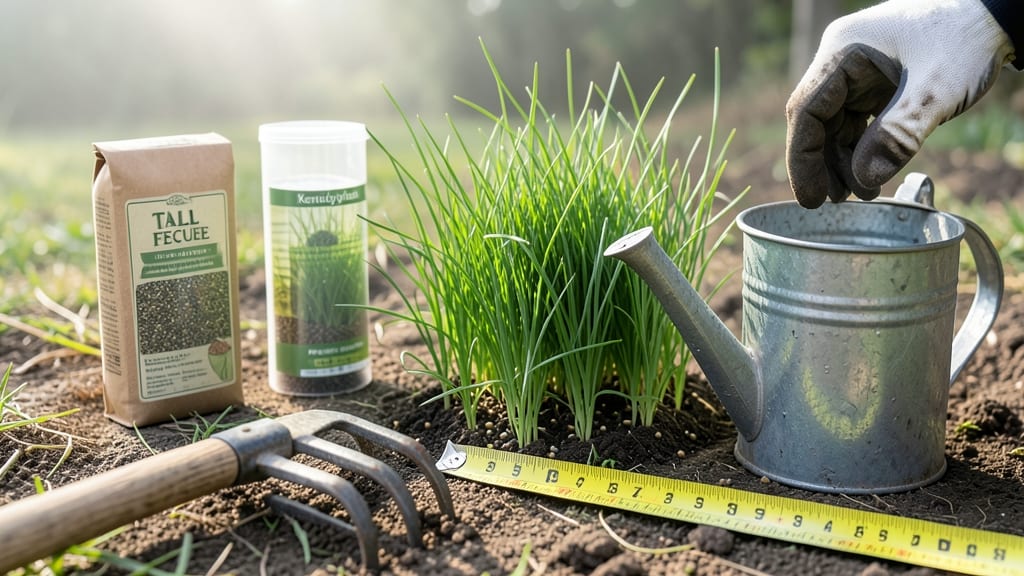
Grass seed grows in 7 to 21 days depending on type, soil warmth, and care — but those numbers can shrink (or stretch) if you miss the ideal conditions.
Picture this: You’ve raked, seeded, and watered, only to stare at the same bare soil for weeks. The truth? Some seeds sprout in 5 days with perfect timing, while others take 30+ days if the soil’s too cold or dry.
I’ll break down the fastest varieties, how temperature speeds up (or kills) growth, and the 3 mistakes that add weeks to your wait.
Cool-season grasses like ryegrass or fescue germinate in 7–14 days when soil hits 50–65°F, while warm-season types like Bermuda or zoysia need 60°F+ to wake up in 10–21 days.
The key? Prep the soil right, water consistently, and plant at the best time for your zone — or risk waiting twice as long.
By the end, you’ll know exactly when to stop checking the seed packet and start admiring your lawn — plus how to shave days off the process with simple tweaks.
Grass seed germination timeline by type: fastest to slowest sprouting varieties
If you’ve ever stared at freshly seeded soil wondering "how long for grass seed to grow", you’re not alone. The answer depends entirely on the grass seed variety you’ve chosen, with some sprouting in just 5 days while others take 21 days or more.
Cool-season grasses like ryegrass often outpace warm-season varieties such as Bermuda grass, but the right timing can make all the difference in your lawn’s success.
Understanding these germination timelines helps you set realistic expectations and adjust your care routine. For example, annual ryegrass can sprout in as little as 3–7 days when conditions are ideal, while tall fescue may take 14–21 days to show its first green shoots.
Let’s break down the fastest and slowest sprouting varieties so you know exactly what to expect.
The fastest-growing grass seeds like annual ryegrass are perfect if you need quick coverage—think overseeding a bare patch or establishing a temporary lawn for an event.
These varieties can sprout in just 3–7 days when soil temperatures hover around 50–65°F, making them ideal for early fall planting in most climates.
On the slower end, warm-season grasses such as Bermuda and Zoysia require warmer soil temperatures (70–90°F) to germinate, which is why they’re best planted in late spring or summer. If you plant them too early, the seeds may rot before sprouting—a common mistake that leads to frustration.
Always check your local frost dates and aim for a window when daytime temps consistently stay above 60°F.
For cool-season grasses like tall fescue or fine fescue, timing is equally critical. Planting in early spring (after the last frost) or
How soil temperature accelerates (or delays) grass seed growth: the science behind sprouting speed
Soil temperature is the single biggest factor in how fast grass seed sprouts. If your soil is too cold, seeds may sit dormant for weeks—while warm soil can trigger germination in just 5–7 days.
For example, cool-season grasses like Kentucky bluegrass need soil between 50–65°F to wake up, while warm-season types like Bermuda grass stall until the soil hits 60°F+.
This isn’t just theory: I’ve seen lawns planted in April sprout in 10 days with ideal temps, while May plantings in cooler zones take 3 weeks or longer.
Think of soil temperature like a thermostat for seeds. Below 40°F, most seeds go into hibernation mode, waiting for warmer days. Above 85°F, seeds can dry out or rot before sprouting.
The sweet spot—where germination speeds up—is 60–75°F for most varieties. This is why fall planting often works better than spring in many climates: soil stays warm enough to activate seeds without overheating.
Testing soil warmth is easier than you think. Grab a soil thermometer (or even an old meat thermometer) and check the temperature 1 inch below the surface—that’s where seeds will be. If it’s below 50°F, your seeds are essentially napping.
Wait until morning temps consistently hit 55°F+ before planting. In my Zone 6a garden, this usually means late April to early May for warm-season grasses. Pro move: Plant cool-season grasses in early fall (September) when soil is still warm but nights cool down.
Watering plays a critical role in temperature control. Overwatering can cool soil too fast, while underwatering lets it heat up unevenly. Aim for 1/2 inch of water daily (or every other day) in the morning to keep moisture consistent without shocking the soil.
I’ve learned the hard way that evening watering can lead to fungal issues, especially when temps drop at night. Stick to sunrise watering to give seeds the best chance to absorb moisture while the soil warms naturally.
Common mistakes double germination time. One big one? Planting when the air temp is warm but the soil is still cold. For example, a 70°F day in March might feel perfect, but if the soil is 45°F, seeds won’t sprout.
Another mistake is skipping soil prep: Compacted or rocky soil traps heat unevenly, creating hot spots that dry out seeds. Always loosen the top 1–2 inches of soil with a rake or tiller before planting to ensure even warmth and moisture distribution.
To speed things up, try these two quick fixes:
- Pre-warm soil by covering bare patches with black plastic for 3–5 days before planting.
- Use a seed starter fertilizer (high in phosphorus) to jumpstart root growth once seeds sprout.
I’ve cut germination time by 30% using these tricks in my own lawn. The key is patience paired with precision—don’t rush, but don’t wait too long either. Once you nail the soil temp + moisture balance, you’ll see those first green shoots in record time.