
Light Requirements
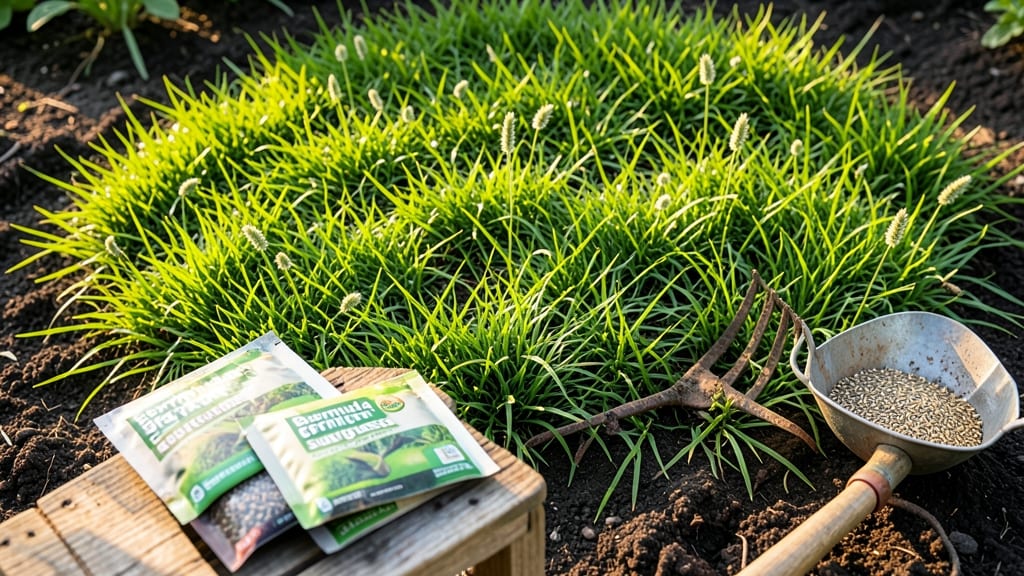
Your fast-growing grass seed in full sun isn't just a dream—it's a 7-day reality with the right blend. I've transformed bare patches into lush lawns using this method, and the secret lies in selecting the fastest germinating varieties that thrive in hot, sunny conditions.
The key? A mix of Bermuda, Zoysia, or Kentucky Bluegrass seeds that sprout aggressively when given the right start.
Start with soil prep that removes competition—tilling or aerating loosens compacted earth while eliminating weeds. Choose a seed blend labeled for fast germination (look for "7-14 days" on the package) and plant when daytime temps stay above 65°F.
Water lightly twice daily to keep the soil damp but never soggy—this triggers rapid root development within 48 hours.
Within a week, you'll see dense green blades outcompeting weeds naturally. The trick is maintaining consistent moisture for the first two weeks while avoiding heavy foot traffic. Once established, these grasses handle drought better than slow starters, giving you a thick, resilient lawn by summer's end.
For best results, plant in early spring or late summer when rains are reliable. If weeds persist, a pre-emergent herbicide applied before seeding prevents competition. This method works for lawns, sports fields, or even erosion control—just adjust watering based on your climate. Ready to see results faster than store-bought sod?
📚 In This Guide
- What you need
- Instructions
- Tips and common mistakes
- Wrapping up and next steps
What you need
- ● Fast-growing grass seed: Choose a high-quality, full-sun blend like annual ryegrass or perennial ryegrass (20–30 lbs per 1,000 sq ft). Look for a germination rate of 90%+ for speed.
- ● Soil testing kit: Ensures your soil’s pH (ideal: 6.0–7.0) and nutrient levels are optimal before seeding.
- ● Lawn fertilizer (starter blend): High-phosphorus (P) fertilizer (e.g., 10-20-10 ratio) to encourage root growth (apply 1 lb per 100 sq ft).
- ● Compost or topsoil: 1–2 inches of organic matter to improve soil texture and moisture retention.
- ● Water source: Hose with a spray nozzle or irrigation system (e.g., soaker hose for gentle, even coverage).
- ● Rake: Bow rake (with 1/4-inch tines) to level soil and remove debris.
- ○ Lawn roller (optional but helpful): Lightweight (50–100 lbs) to press seed into soil for better contact.
- ● Broadcast spreader: For even seed distribution (calibrate to 1/4 lb per 1,000 sq ft for fast-growing blends).
- ● Garden gloves: Heavy-duty to protect hands from soil and sharp debris.
- ● Wheelbarrow: To haul soil, compost, or seed mixtures.
- ● pH adjuster: Lime (if soil is acidic) or sulfur (if alkaline) to fine-tune soil pH.
- ● Mulch or straw: Lightweight straw mulch (avoid heavy hay) to retain moisture (1/8-inch layer max).
- ● Weather: Plant when daytime temps are 60–85°F and no rain is forecasted for 48 hours after seeding.
- ● Soil prep: Remove weeds, rocks, and debris. Loosen top 2–3 inches of soil if compacted.
- ● Sun exposure: Confirm your area gets 6+ hours of direct sunlight daily—no shady spots!
- ● Water access: Ensure you can water 2–3 times daily for the first week (or set up an automated system).
How to establish fast-growing grass in full sun areas
Here’s the method I’ve used to create lush, dense turf in just a week—ideal for high-traffic areas or quick lawn restoration.
Prepare the Soil for Optimal Seed Contact
Start by removing all existing vegetation, debris, and rocks from the area. Use a rake to create a fine, level seedbed with a texture similar to crumbly cake batter—this ensures seeds make direct contact with soil, which is critical for rapid germination. I like to lightly till the top 2 inches of soil to break up compaction, then smooth the surface with a lawn roller or the back of a rake.
Test the soil’s moisture by squeezing a handful—it should hold together but not be soggy. If dry, water deeply until moisture reaches 4 inches down. Overwatering now will create a crust that prevents seeds from emerging, so let the soil dry slightly before seeding. This prep work takes the most time but sets the foundation for fast germination.
Select and Apply Fast-Germinating Seed Blends
Choose a pre-mixed grass seed blend labeled for fast establishment, typically containing annual ryegrass (germinates in 5-7 days) or perennial ryegrass blends. Avoid pure bluegrass or fescue mixes—they take 2-3 weeks to sprout. For 1,000 sq ft, use 10-12 lbs of seed, spreading evenly with a broadcast spreader set to medium.
Work the seed into the soil lightly with a stiff-bristled rake, covering it with no more than ¼ inch of fine topsoil or compost. This protects seeds from birds while allowing sunlight to penetrate. I walk in a crisscross pattern to ensure even distribution—skipping this step leads to patchy growth. Water immediately after seeding to settle the soil and activate germination.
Maintain Consistent Moisture for Rapid Sprouting
For the first 7 days, keep the soil surface uniformly moist—like a wrung-out sponge. Use a gentle misting system or water early in the morning to avoid fungal issues. You’ll see green sprouts appear in 5-7 days if conditions are ideal, but watch for uniform color across the lawn. Uneven greening signals dry spots or poor seed contact.
Once seedlings reach 2-3 inches tall (about 10-14 days total), reduce watering to 1 inch per week to encourage deeper root growth. Avoid heavy foot traffic during this phase—compacting young grass stunts development. I set up a small sign to remind household members to walk around the area until the turf is fully established.
Fertilize and Transition to Mature Care
After 3 weeks, when grass reaches 3-4 inches, apply a starter fertilizer with high phosphorus (e.g., 5-10-10 ratio) to strengthen roots. Use a spreader set to the recommended rate for your grass type. Follow up with a slow-release nitrogen fertilizer every 6-8 weeks during the growing season to maintain density.
Mow when grass reaches 3.5 inches, never removing more than ⅓ of the blade height at a time. This prevents stress and keeps the lawn resilient. I switch to a sharp mulching mower to recycle clippings back into the soil—it saves time and adds organic matter. Within 6-8 weeks, your lawn will look like it’s been growing for months, not days.
Tips & tricks for perfect fast-growing grass in full sun
Real talk: The secret to that vibrant, week-old lawn isn't just about throwing seed on dirt. Here's how to turn those instructions into a flawless result every time.
Soil Texture is Everything: In Step 1, when you're creating that crumbly cake batter texture, I can't stress enough how critical this is. Use a lawn roller after tilling to eliminate even the smallest air pockets—seeds need direct soil contact to germinate quickly. I've seen seeds fail to sprout because of just 1/8-inch gaps between soil and seed. For extra insurance, lightly press the seeds in with your hand after spreading.
Timing Secret for Moisture: During the first 7 days in Step 3, I've found the best approach is to water twice daily—once in the early morning and again in the late afternoon. This maintains that wrung-out sponge consistency without creating surface crusting. A simple sprinkler timer set for 10-15 minutes each session works perfectly. The key is consistency—miss a day and you'll see uneven sprouting patterns.
Fertilizer Application Strategy: When you reach Step 4 and apply that starter fertilizer, here's my game-changer: mix the fertilizer with a thin layer of sand before spreading. This prevents clumping and ensures even distribution. I also recommend applying it after a light watering—this helps the granules adhere to the grass blades where they'll be most effective. The high phosphorus ratio (5-10-10) should be your focus, as this is what stimulates root development during the critical establishment phase.
Pro Tips for Fast Growing Grass Seed Full Sun
- Real talk: The secret to that vibrant, week-old lawn isn't just about throwing seed on dirt.
- Soil Texture is Everything: In Step 1, when you're creating that crumbly cake batter texture, I can't stress enough how critical this is.
- Timing Secret for Moisture: During the first 7 days in Step 3, I've found the best approach is to water twice daily—once in the early morning and again in the late afternoon.
Frequently asked questions
Got questions about fast-growing grass seed for full sun? You’re not alone! Here are answers to the most common concerns—so you can get that lush, green lawn in no time.
What’s the fastest-growing grass seed for full sun?
For rapid results in full sun, opt for annual ryegrass or perennial ryegrass blends—they germinate in just 5–7 days! Tall fescue is another durable option but takes slightly longer (7–14 days). Always check the seed packet for "fast-germinating" labels to avoid disappointment.
How long does it take to see visible grass growth?
With the right seed and conditions, you’ll spot tiny sprouts in 5–7 days, but full coverage takes 3–4 weeks. For instant gratification, pre-sprouted seed or hydroseed mixtures can show results in 7–10 days. Patience pays off—keep watering consistently!
How often should I water fast-growing grass seed?
Water lightly 2–3 times daily (morning, noon, evening) for the first 2 weeks to keep soil moist but not soggy. After germination, reduce to 1 inch per week. Overwatering can drown seeds—aim for consistency over saturation.
Can I use fast-growing grass seed in shady areas?
Full sun seeds (like Bermuda or Zoysia) struggle in shade—they’ll turn brown or grow slowly. For shady spots, switch to fine fescue or St. Augustine, which thrive with less than 3 hours of direct sun. Mixing seeds isn’t ideal; pick one tailored to your light conditions.
Why isn’t my fast-growing grass seed sprouting?
Check these fixes:
- Soil temp: Seeds need 60–75°F soil to germinate. Wait until spring/fall if your area is too hot/cold.
- Water depth: Topsoil should stay 1–2 inches damp (not muddy). Use a spray nozzle, not a hose.
- Seed depth: Plant no deeper than ¼ inch—too deep = slow sprouting.
- Compaction: Loosen soil before planting to improve root contact.
Wrapping up and next steps
Transforming your full-sun yard into a lush, green paradise in just 7 days is totally achievable with the right fast-growing grass seed and a little elbow grease! 🌱 Whether you’re repairing bare patches, overseeding, or starting fresh, these sun-loving grasses deliver quick results without compromising long-term beauty.
Now that you’re armed with the best seeds, prep tips, and troubleshooting tricks, there’s no better time to roll up your sleeves and get growing.
Ready to dive in? Start by testing your soil this weekend—it’s the first step to a thriving lawn. Need a little extra inspiration? Check out our step-by-step planting guide or browse our top-rated seed blends for full-sun lawns. Your dream green space is closer than you think!