
Plants
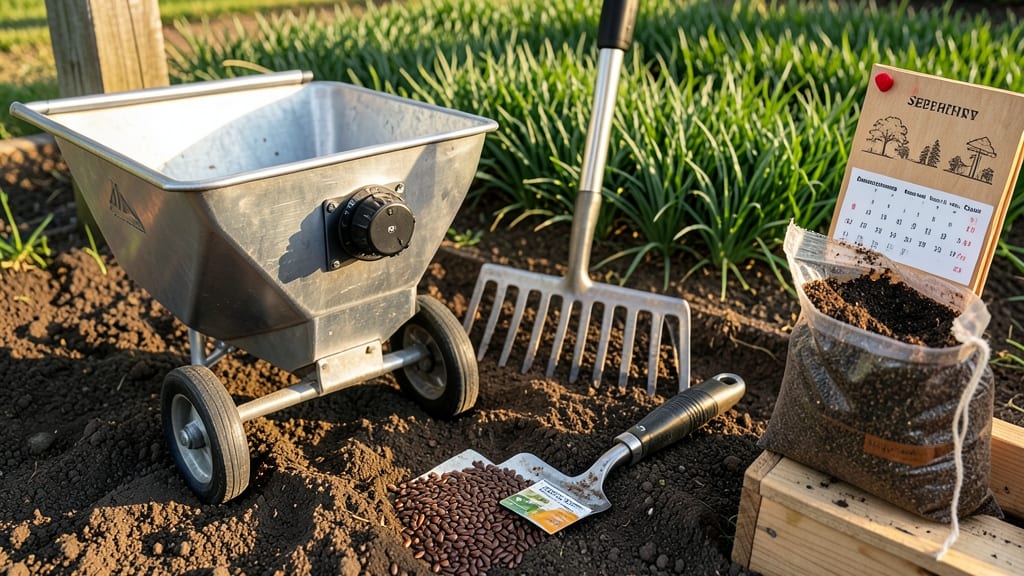
Planting grass seed in the fall creates the perfect conditions for thick, lush growth—cooler air, fewer weeds, and moist soil help roots take hold before winter.
But timing matters: plant too early, and weeds steal the show; too late, and frost stunts germination. In USDA Zone 6a, aim for 4-6 weeks before your first frost—typically late September to early October. This window ensures your 🌱 grass establishes strong roots before dormancy kicks in.
Fall planting isn’t just about timing—it’s also about prep. Loosen the soil, clear debris, and choose the right seed type for your climate. Skip these steps, and you’ll end up with patchy lawns or wasted seed.
Below, I’ll break down the exact weeks to plant by zone, soil prep tips, and how to keep your new grass thriving through winter. Ready to grow a lawn that’ll make your neighbors jealous?
Fall grass seed planting timeline by USDA Zone (best weeks for thick growth)
Timing your grass seed planting in fall is everything—cool air, moist soil, and fewer weeds create ideal conditions. But the perfect window shifts dramatically from USDA Zone 3 to Zone 10.
Plant too early, and weeds steal nutrients; too late, and frost halts germination. Here’s your zone-by-zone guide to maximize thick, lush growth by spring.
Northern climates (Zones 3-7) have tight deadlines—seed must establish roots 4-6 weeks before frost. Southern zones (Zones 8-10) enjoy longer windows, but heat and drought can still derail success. I’ll break down the best weeks, soil temp targets, and regional tweaks to avoid common pitfalls.
Pro Tip: Always check your local first frost date (USDA’s Plant Hardiness Zone Map is your best friend). For example, Zone 5 might see frost by October 15, while Zone 9 could push planting into November. Adjust accordingly.
| USDA Zone | Best Planting Window | Soil Temp Target (°F) | Key Considerations |
|---|---|---|---|
| Zones 3-4 | Late August–Mid-September | 50–65°F | Short window; prioritize cool-season grasses (e.g., tall fescue, Kentucky bluegrass). |
| Zones 5-6 | Mid-September–Early October | 55–70°F | Golden window for root establishment. Avoid planting if soil temps drop below 50°F. |
| Zones 7-8 | Late September–Mid-November | 60–75°F | Longer window; warm-season grasses (e.g., Bermuda) can be overseeded in late fall. |
| Zones 9-10 | October–Early December | 65–80°F | Plant cool-season grasses like ryegrass for winter color. Avoid late November if frost is likely. |
In Zones 3-4, I recommend tall fescue or fine fescue—these varieties tolerate cooler soils and establish roots quickly before winter. For Zones 5-6, Kentucky bluegrass thrives if planted by October 1st, but delay past October 15th, and germination slows dramatically.
Southern zones (7-10) offer flexibility, but don’t wait too long. In Zone 9, for example, planting ryegrass in November gives it time to germinate before holiday rains (a common pitfall). Always aim for 6-8 weeks of growth before frost hits.
Regional tweaks matter: In Pacific Northwest (Zone 7-8), October showers are ideal, but Midwest zones (Zone 5-6) may need irrigation to offset early fall drought. Check your local rainfall averages—if your area gets less than 1 inch/week, supplement with drip irrigation.
One critical mistake I see? Planting warm-season grasses (like Zoysia) in fall—they won’t germinate in cool soil. Stick to cool-season types (e.g., fescue, bluegrass) for fall success. For overseeding, late September is ideal nationwide.
After planting, water deeply 2x/day for the first 2 weeks to keep soil moist but not soggy. In dry climates (e.g., Zone 9), extend this to 3 weeks. Mulch lightly with straw to retain moisture and suppress weeds—just ¼ inch is enough.
By following your zone’s optimal window, you’ll see 90%+ germination rates and a lawn that outperforms spring plantings by next summer. The key? Act now—don’t wait until the first cool snap.
How to prepare soil and seed for fall planting (step-by-step guide)
Preparing your soil and seed properly is the foundation for a thick, resilient lawn. Fall planting gives you a head start, but only if you address soil compaction, weed competition, and seed quality first.
Skipping these steps means wasted seed and patchy growth. Let’s break it down into actionable tasks to ensure your grass seed thrives.
Start by testing your soil pH—most grasses prefer a range of 6.0 to 7.0. If your soil is too acidic or alkaline, amend it with lime or sulfur before planting.
A simple home test kit (around $10) or a lab test will give you precise results. For example, Kentucky bluegrass struggles in acidic soil, while tall fescue tolerates a wider range.
Next, clear the area of debris and weeds. Use a rake or string trimmer to remove leaves, rocks, and weeds, then mow the existing grass as short as possible.
Weeds compete for nutrients, and leftover debris can smother new seedlings. If weeds are persistent, apply a pre-emergent herbicide 2-3 weeks before planting to prevent germination.
Step-by-Step Soil and Seed Prep for Fall Planting
- Test Soil pH Use a kit to check pH; amend with lime (for acidic soil) or sulfur (for alkaline soil). Aim for 6.0-7.0 for most grass types.
- Aerate Compacted Soil Rent a core aerator to create ½-inch holes every 2-3 inches. This improves water and nutrient absorption for new roots.
- Choose the Right Seed Pick cool-season grasses (e.g., tall fescue, Kentucky bluegrass) for fall planting in most USDA zones. Warm-season grasses (e.g., Bermuda, Zoysia) should be planted in spring.
- Spread Seed Evenly Use a broadcast spreader for even coverage. Apply ½ pound of seed per 100 sqft for new lawns; ¼ pound for overseeding.
- Lightly Rake and Mulch Drag a rake lightly to press seed into soil, then apply a ¼-inch layer of straw mulch to retain moisture and protect seedlings.
- Water Gently but Deeply Keep soil moist (not soggy) with ¼-inch of water daily for the first 2 weeks, then taper to ½-inch per week until germination.
After sowing, focus on consistent moisture without overwatering. Use a gentle sprinkler to avoid displacing seed, and water in the early morning to reduce evaporation. Avoid walking on the area until the grass is at least 2-3 inches tall—this prevents seedling damage and compaction.
Finally, apply a light fertilizer (like 10-10-10) 4-6 weeks after planting to support root growth. Avoid heavy nitrogen applications early on, as they can burn tender seedlings. By winter, your grass should be well-established and ready to handle frost.
With these steps, your fall-planted grass will outperform spring seedlings by establishing deeper roots before winter dormancy. Patience and prep are key—skip shortcuts, and you’ll have a lush, weed-free lawn come spring. 🌱